
Last updated September 23, 2026
Free visual inspection and a written scope of work before any mitigation begins - photos, moisture readings, and drying logs go in your claim file
The scope we write is the scope we bill. Anything new gets shown to you, in writing, before we touch it.
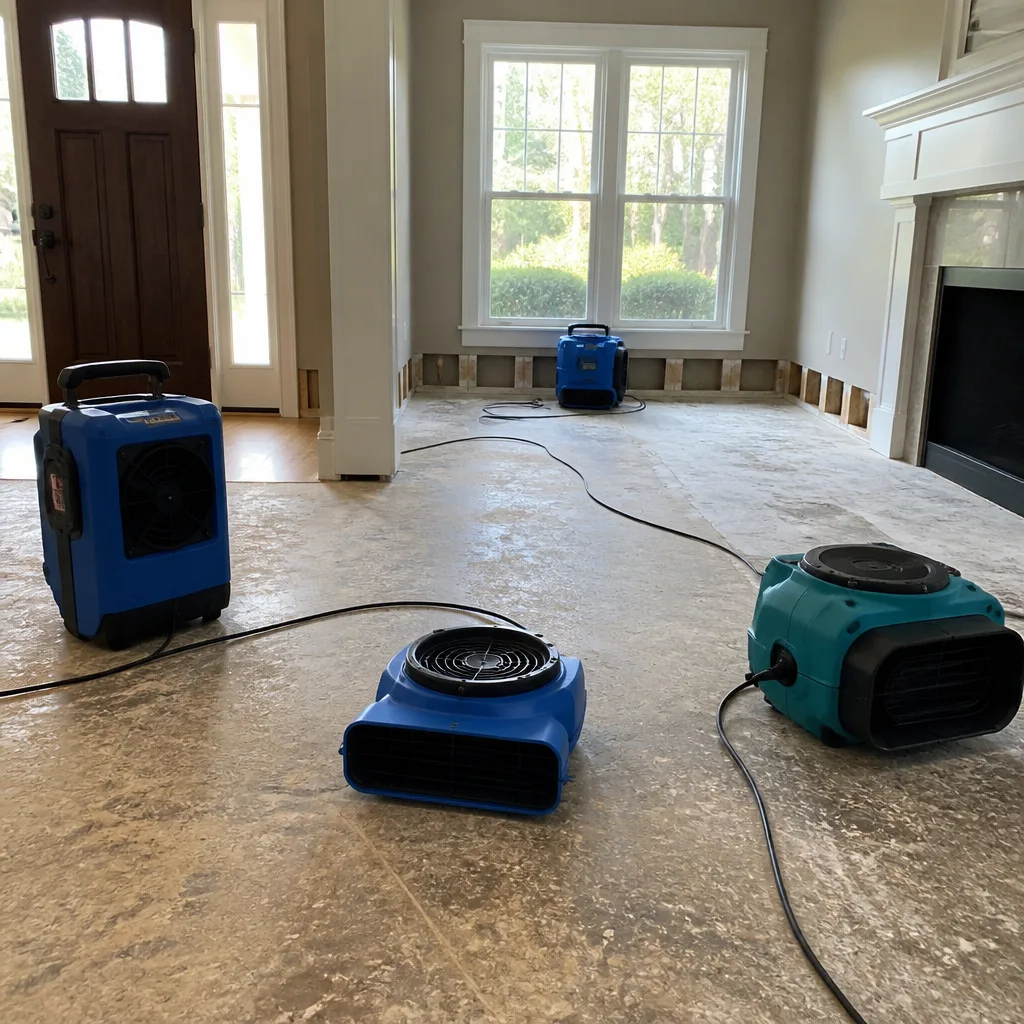

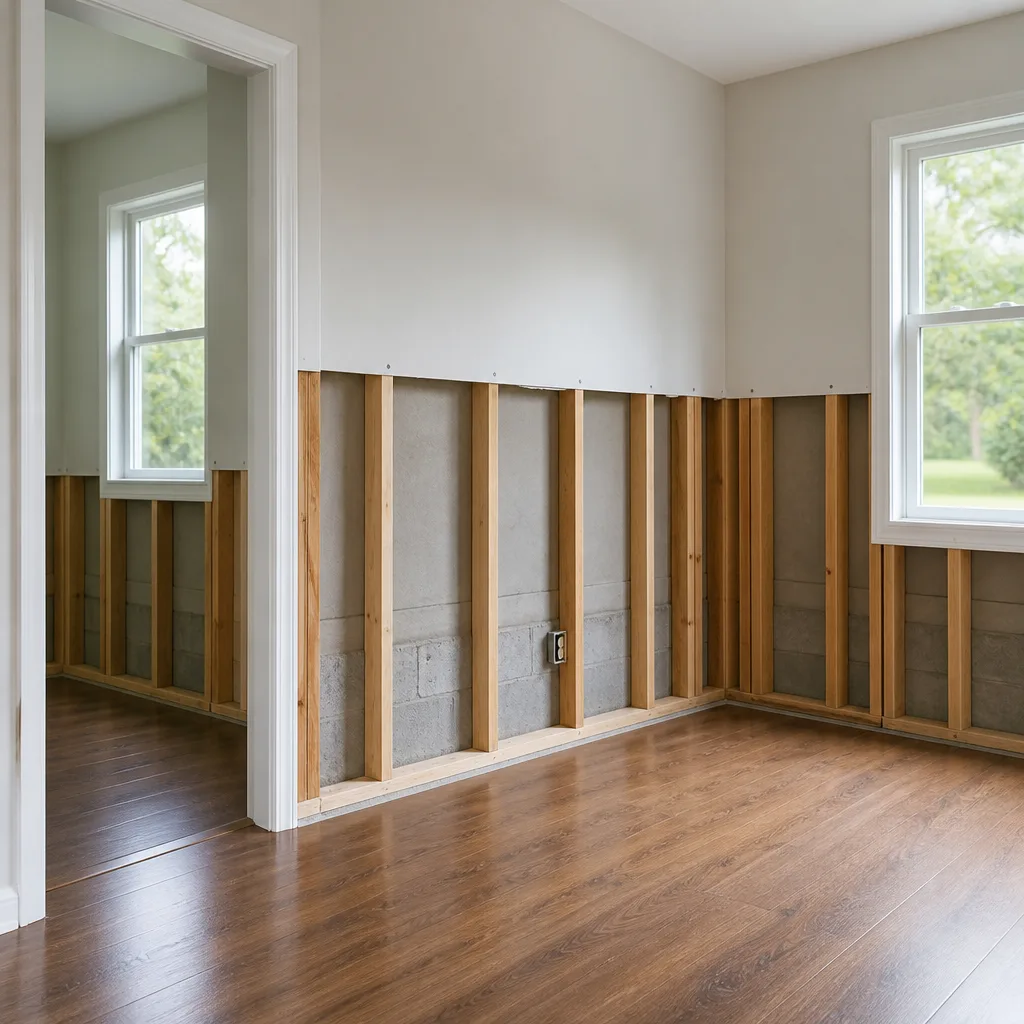
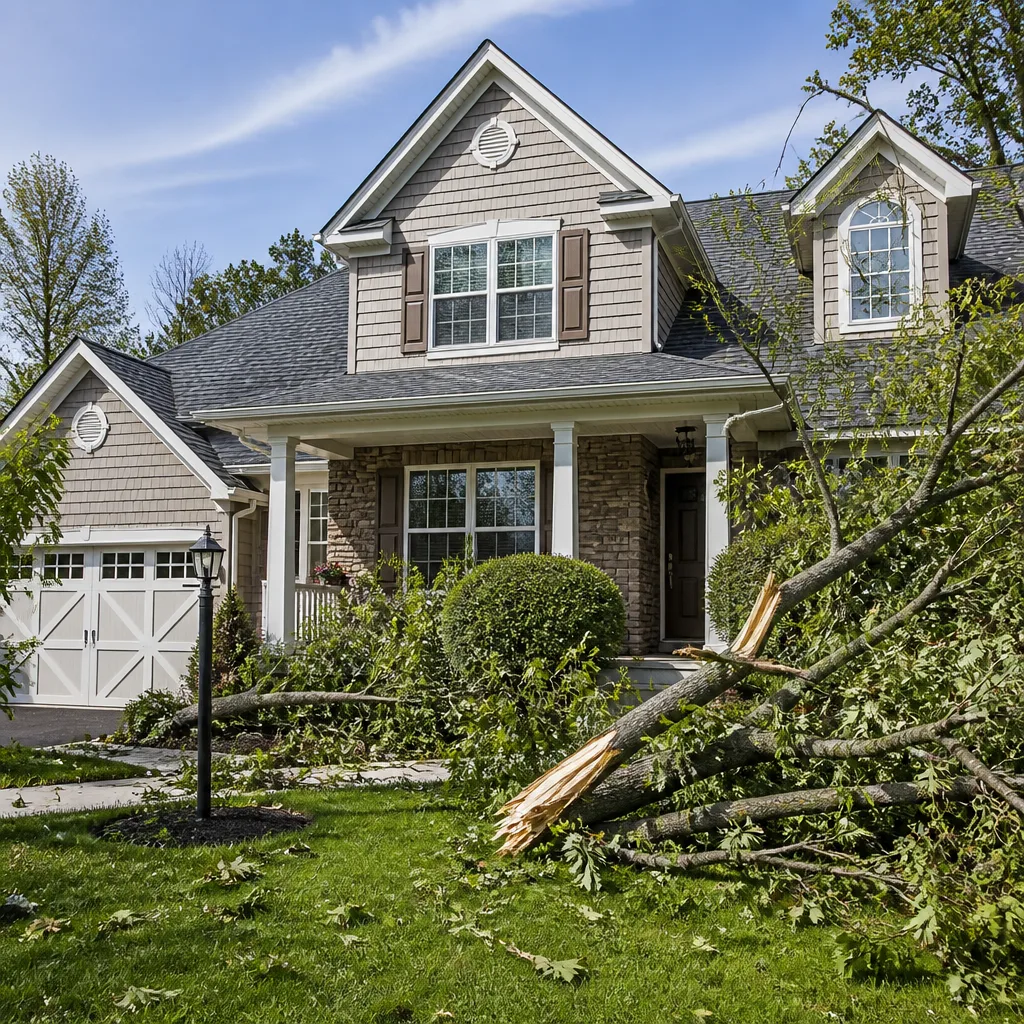
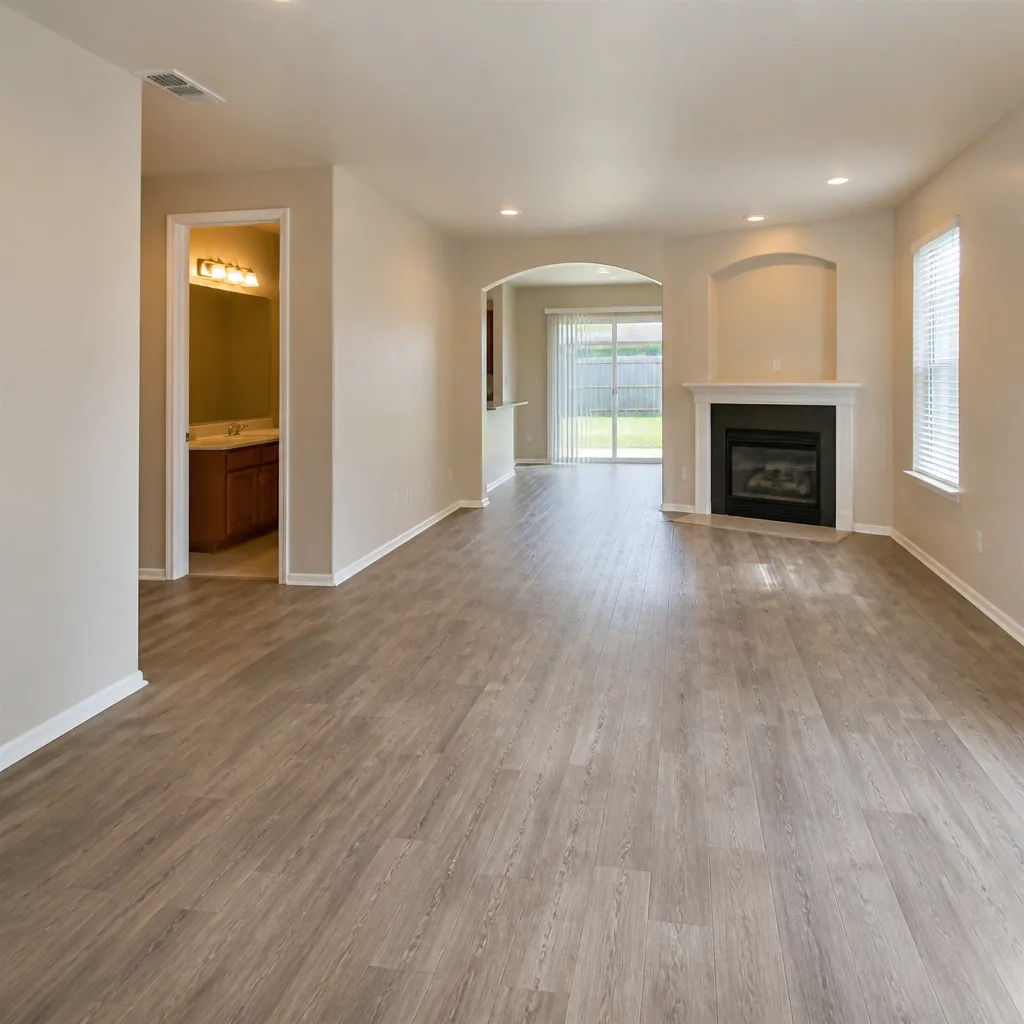
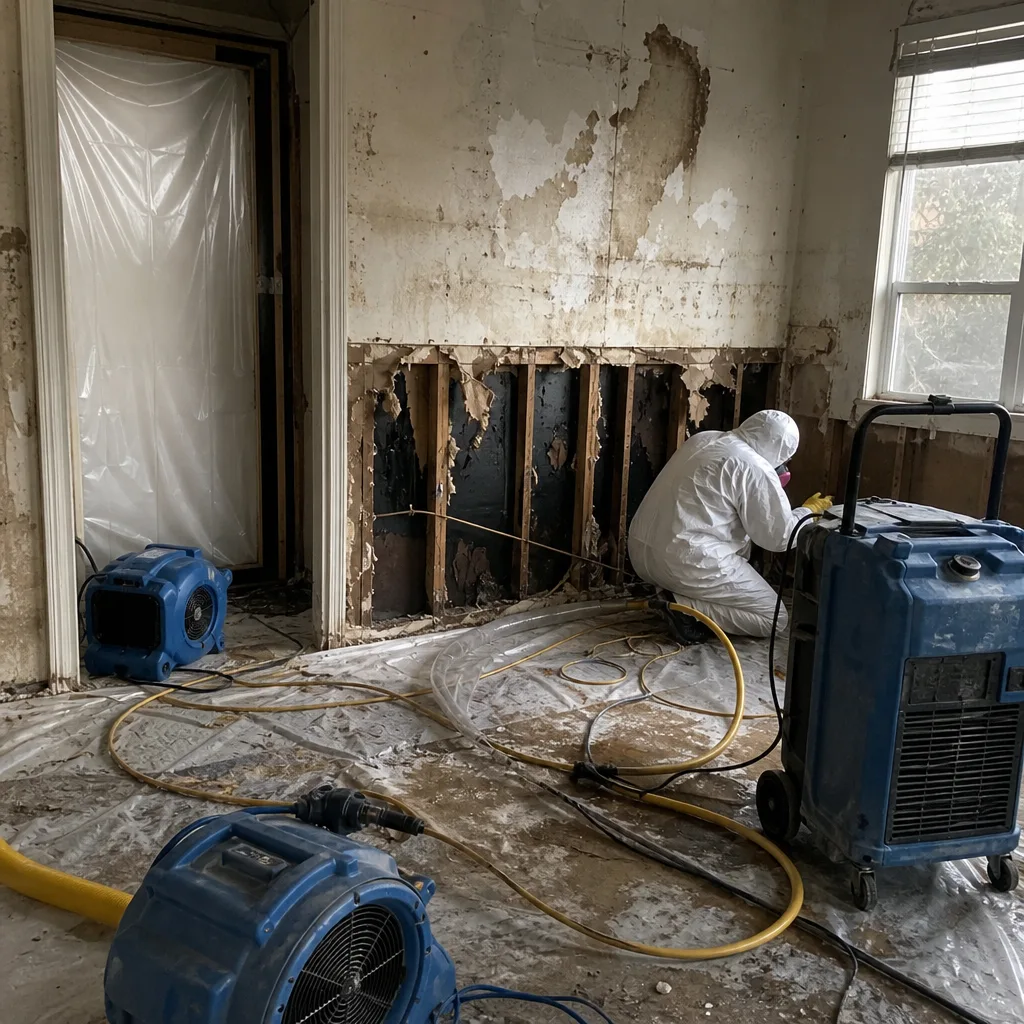 Before
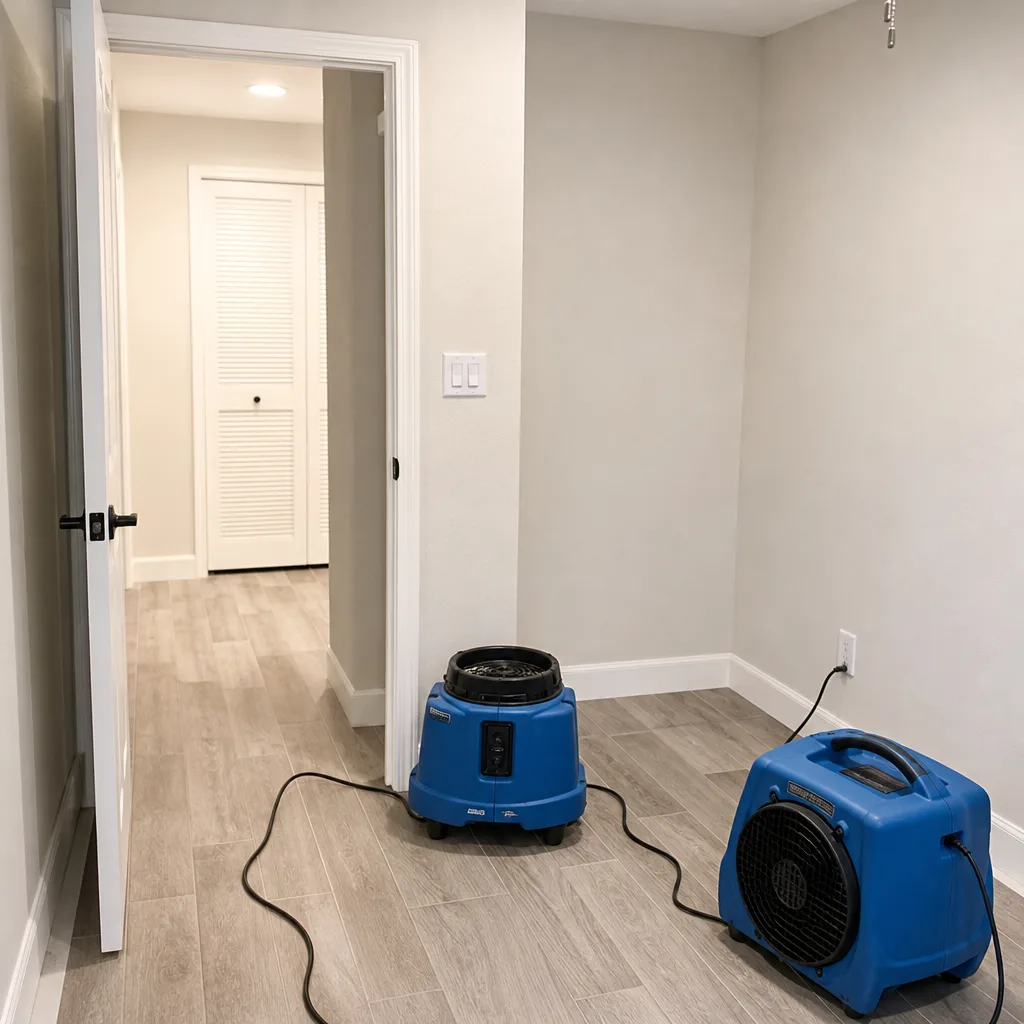 After
After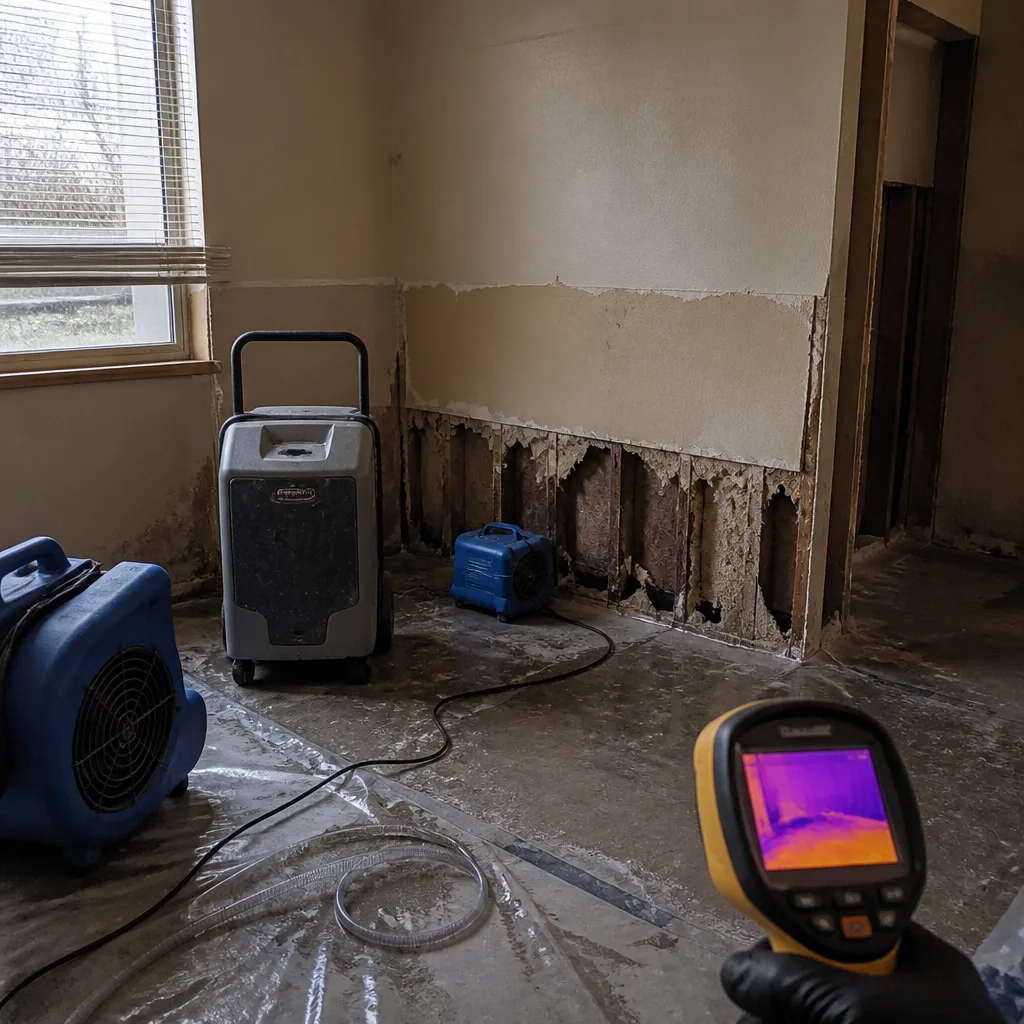 Before
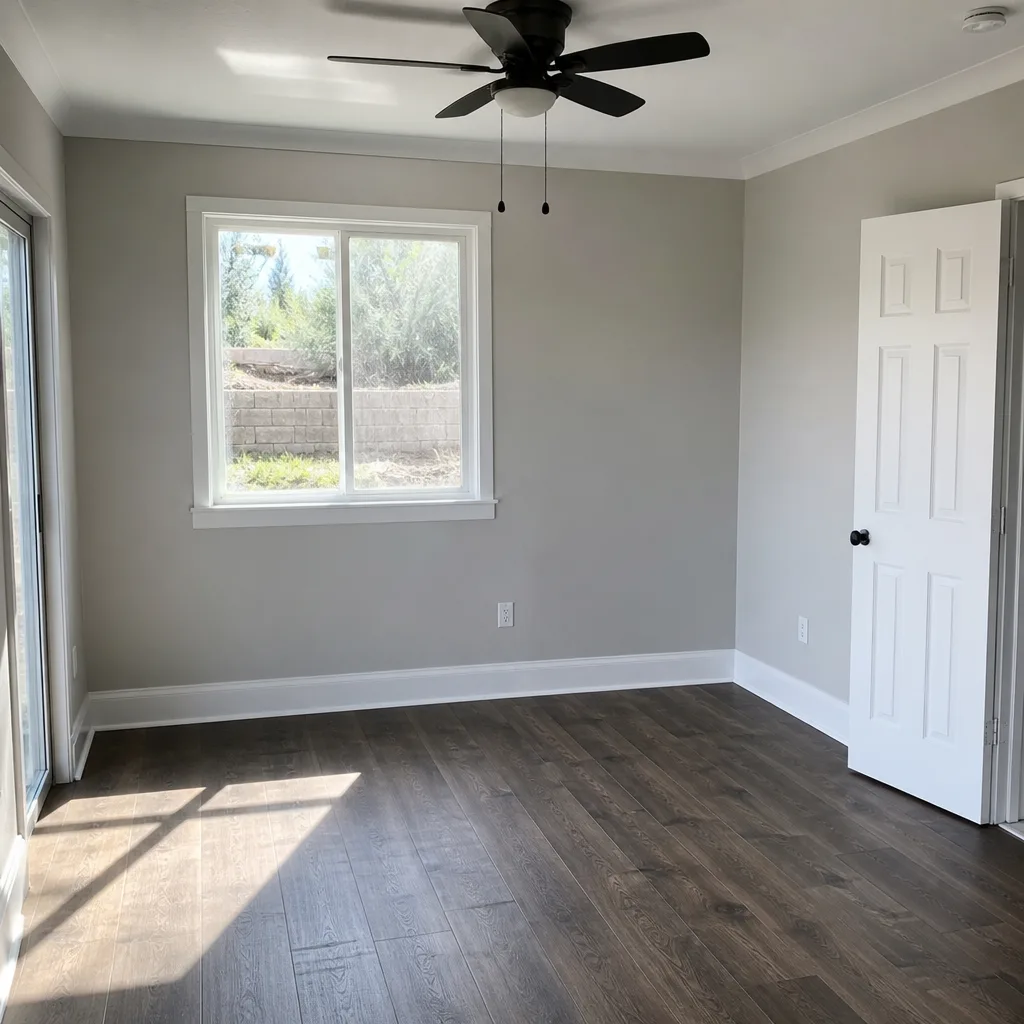 After
After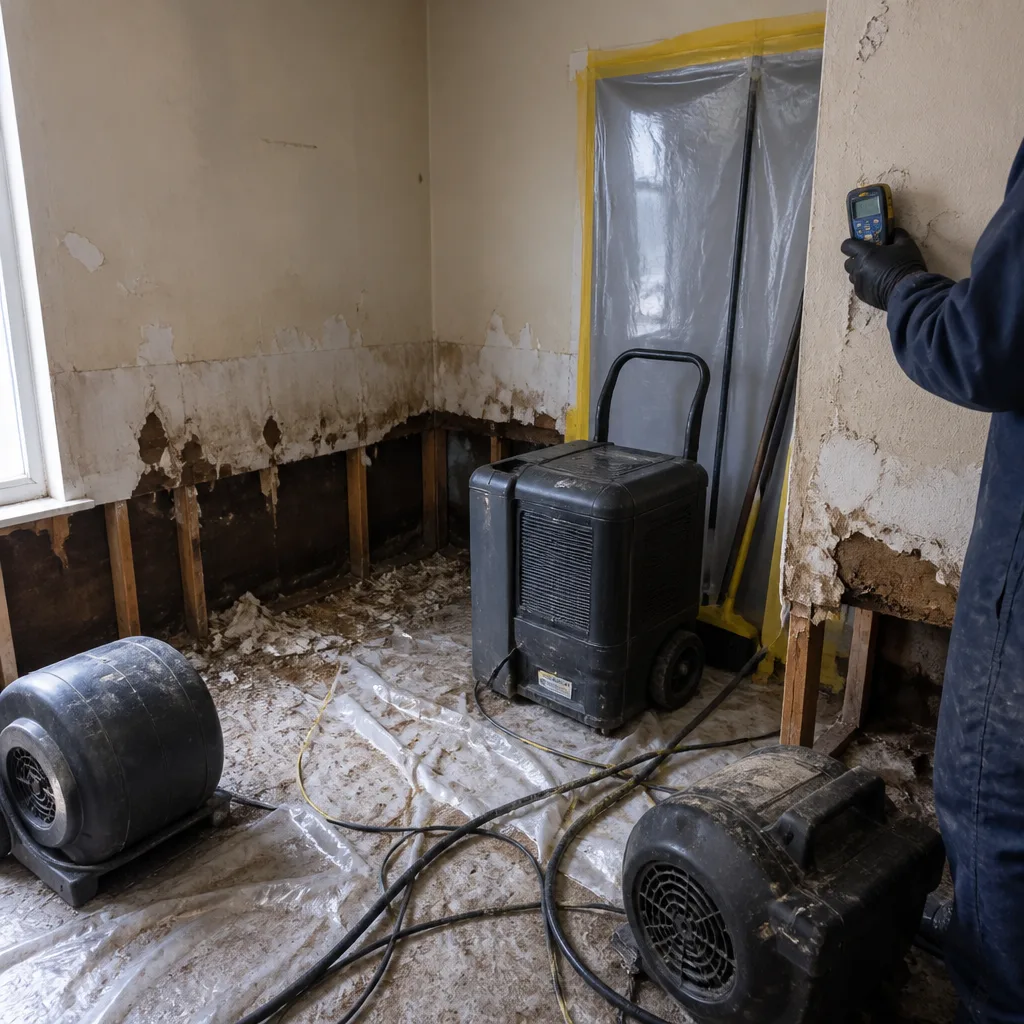 Before
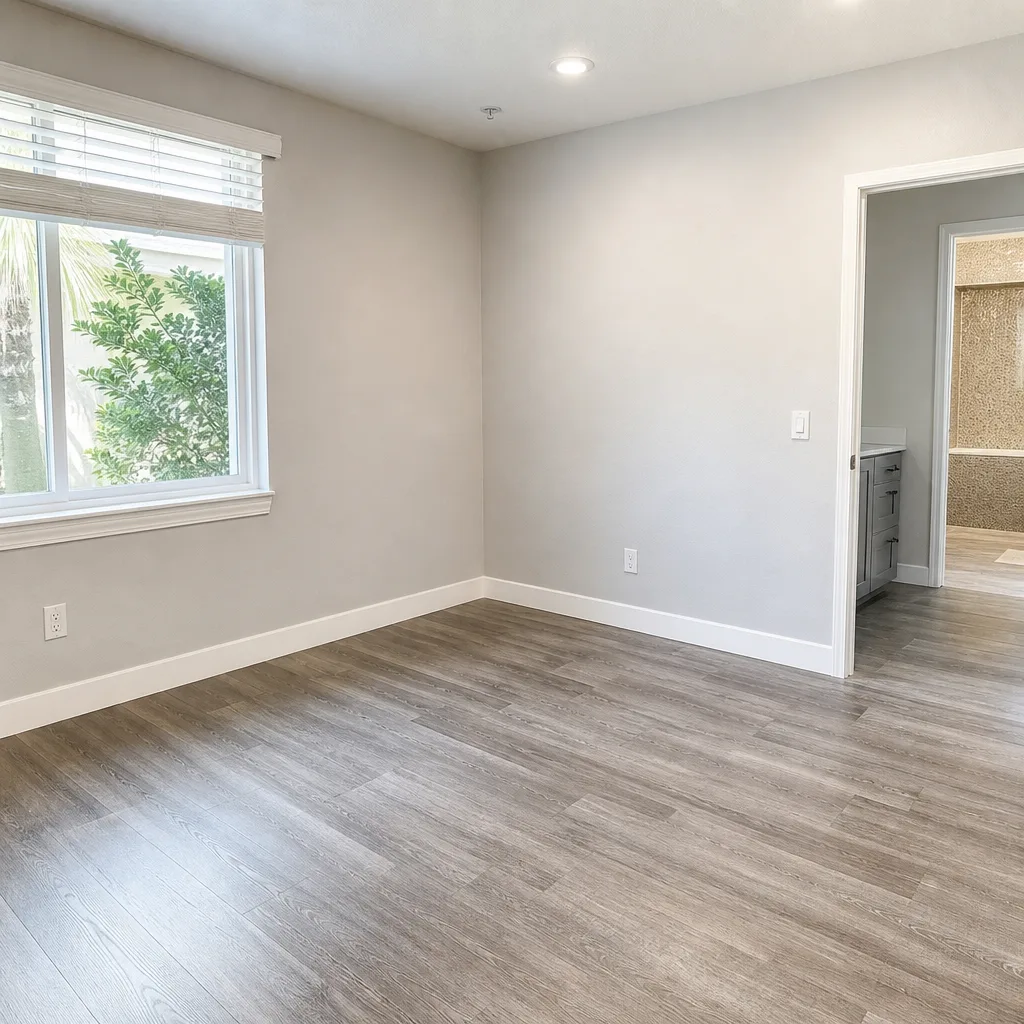 After
AfterThe Complete Guide to Damage Restoration in Vista
A Vista homeowner’s claim was reduced by $14,000 last year. The damage was real, the equipment ran for five days, but the restorer’s invoice simply read “drying equipment - $4,200” with no daily logs, no psychrometric readings, and no photo proof the machines were ever moved. The insurer paid for two days and denied the rest. In this guide, we’ll walk through what actually determines whether a restoration succeeds in Vista: the documentation chain from first moisture reading to final insurer sign-off, how our coastal humidity changes what “dry” means, and why California’s Contractors State License Board draws sharp lines between mitigation, remediation, and reconstruction that your invoice must respect. For damage restoration warning signs every Vista homeowner should know, see our companion guide.
Quick Answer
Damage restoration in Vista is the documented process of returning a property to pre-loss condition through three distinct phases: mitigation (stopping ongoing damage), remediation (removing contaminated materials), and reconstruction (rebuilding to code). A successful restoration in Vista requires daily moisture logs, photo-documented equipment placement, and a written scope with line-item pricing before any work begins - without this documentation chain, California insurers routinely deny 30-50% of claimed drying charges.
Table of Contents
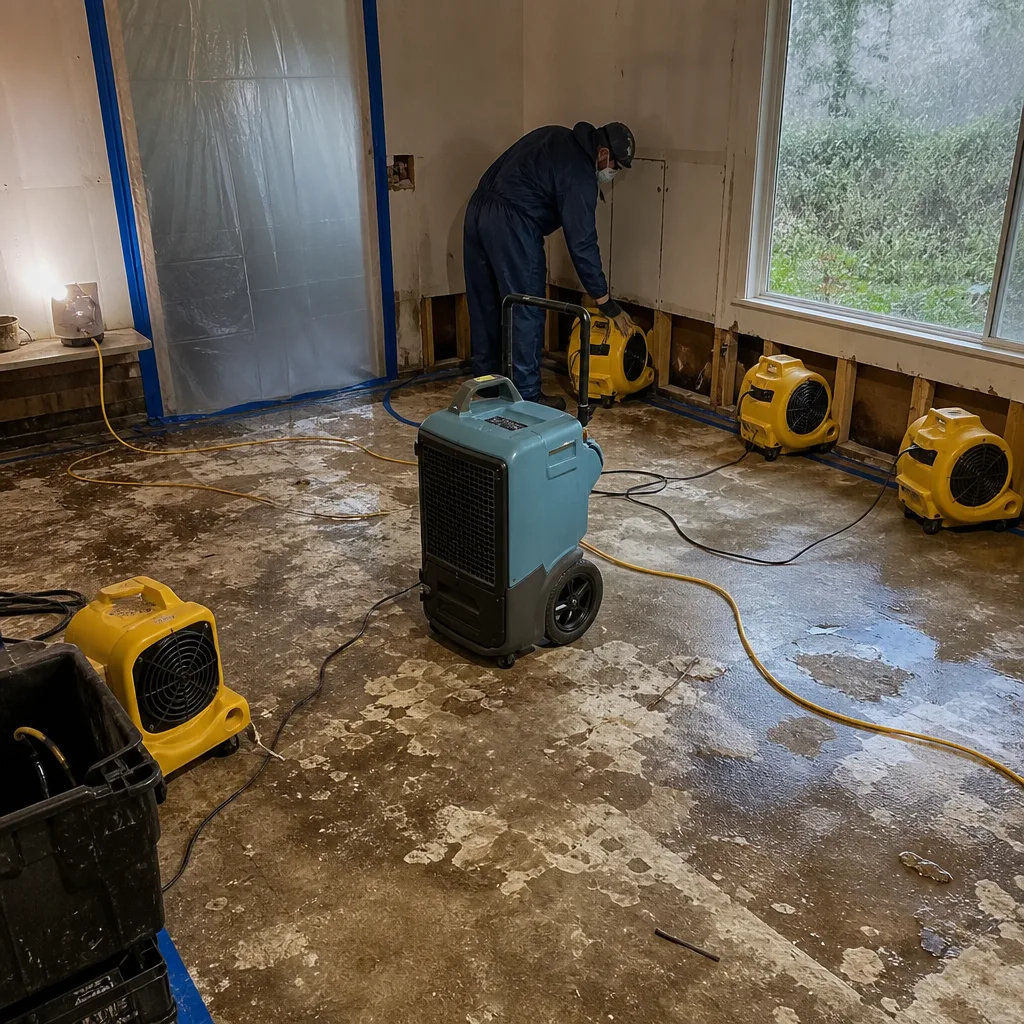
- How Vista’s Coastal Humidity Changes Your Drying Targets
- The Documentation Chain California Insurers Require
- What “Restoration” Legally Means Under California CSLB Rules
- How to Read a Certificate of Completion
- Mitigation, Remediation, and Reconstruction: Why Each Needs Separate Documentation
- Professional Equipment and What the Logs Must Show
- What Damage Restoration Costs in Vista
- Choosing a Restoration Company in Vista
 Before
 After
AfterHow Vista’s Coastal Humidity Changes Your Drying Targets
Vista sits 15 miles inland from the Pacific, but our marine layer still pushes morning relative humidity above 75% for much of the year. That matters because every moisture meter reading is compared against a baseline, and baselines here run higher than inland California markets like Riverside or San Bernardino.
A “dry” wood stud in Phoenix might read 9-11% moisture content. In Vista, during August humidity spikes or January fog cycles, that same species of fir stud can hold 12-14% and still be considered structurally normal. An inexperienced technician who doesn’t adjust target equations for our local climate will either over-dry (wasting equipment days and inflating your bill) or under-dry (leaving latent moisture that breeds mold in wall cavities).
We document this adjustment on every job. Our drying logs record:
- Outdoor temperature and relative humidity at arrival, midday, and departure
- Indoor conditions in three unaffected “control” rooms to establish the true baseline
- Specific gravity settings for each material class - oak hardwood, OSB subfloor, paper-faced drywall
- Vapor pressure differential between wet and dry areas, calculated against local atmospheric pressure
Vapor pressure differential is simply the force that drives moisture out of wet materials into the air. In Vista’s heavier air, that force is weaker, so we compensate with higher-capacity dehumidification or longer drying cycles - but we never guess. The Phoenix 200HT dehumidifiers we deploy calculate grain depression in real time, and we log that number every 24 hours. If the grain depression stalls, we know the equipment needs repositioning or augmentation before mold risk accumulates.
Neighborhoods near Buena Vista Park or the agricultural zones south of Highway 78 see additional complications. Older homes with original plaster or adobe-influenced construction hold moisture differently than tract homes built after 1990. We’ve restored homes in Shadow Ridge where the exterior stucco was essentially a moisture reservoir, requiring tertiary drying (targeted air injection through wall cavities) with Injectidry systems rather than standard room dehumidification.
Without daily logs showing these adjustments, an adjuster has no reason to believe your five-day dry was necessary rather than two. That’s the $14,000 lesson.
The Documentation Chain California Insurers Require
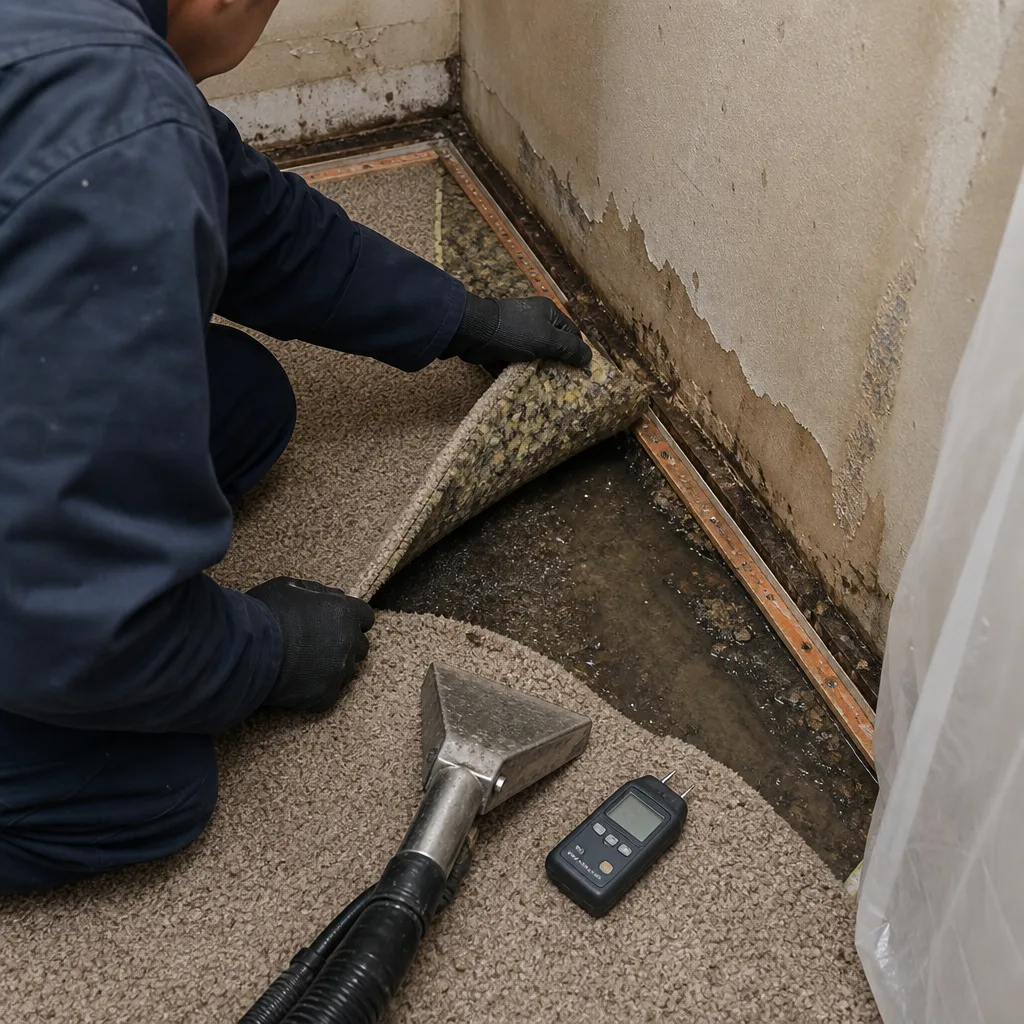
California is an “actual cash value” state for most standard policies until replacement cost provisions trigger, which means insurers pay for what was proven necessary - not what was done. The documentation chain is how you prove necessity. Here’s what a payable claim requires, in order:
- Initial scope of loss with line-item pricing. Every affected room, every material classification, every piece of equipment proposed. This is Haven Standard, Clause 1: written price before work begins. No exceptions.
- Photo record of pre-existing conditions. Undamaged baseboards, un-stained ceilings, functioning outlets. This protects both parties from scope creep and proves the loss was sudden and accidental.
- Moisture mapping with meter readings. Pinless and pin-type readings at multiple depths, recorded on a room diagram. We use Delmhorst and Tramex meters calibrated to manufacturer specs.
- Equipment placement photos with serial numbers visible. Each dehumidifier, air mover, and negative air machine is photographed in position, with the serial number legible. This proves the equipment was actually on-site, not just invoiced.
- Daily drying logs with psychrometric data. Temperature, relative humidity, specific humidity, and dew point for each affected room and the outdoor environment. The logs must show progressive improvement or justify continued drying.
- Post-drying verification readings. Final moisture readings proving materials returned to within 4 percentage points of established baseline, or to IICRC S500 standards for the material class.
- Certificate of Completion with release language. Signed by the property owner or authorized representative, acknowledging work was completed to scope and releasing the contractor from further obligation on documented items.
Missing any link breaks the chain. We’ve reviewed competitor estimates where the technician took arrival photos but no equipment photos, or logged humidity but not specific humidity. In each case, the insurer had grounds to challenge the invoice. Our Water Damage Restoration in Vista service includes this full chain as standard deliverables, never as optional add-ons.
The photo record is particularly critical in Vista’s older neighborhoods, where pre-existing wear is common. Homes near Downtown Vista or the historic district often have original hardwood with patina, aging plaster with hairline cracks, or prior repairs that could be mistaken for new damage. We photograph every wall, floor, and ceiling surface before equipment touches the space. These images live in your file for three years minimum, accessible to you and your adjuster on request.
What “Restoration” Legally Means Under California CSLB Rules
California Contractors State License Board classifications are specific, and using the wrong one can void your insurance coverage or leave you with unlicensed work. Here’s what each classification permits:
- B-General Building Contractor: Can perform restoration work involving two or more unrelated trades (framing, plumbing, electrical, drywall). Required for any reconstruction phase involving structural repair.
- C-36 Plumbing Contractor: Required for water damage source repair, sewage backup mitigation, and any work on potable water or drainage systems.
- C-20 Warm-Air Heating, Ventilating and Air-Conditioning Contractor: Required for HVAC contamination, duct cleaning after fire or smoke, and system decontamination.
- C-61/D-64 Non-specialized: Limited to specific tasks; cannot oversee full restoration projects.
A company advertising “full-service restoration” without holding a B-license or subcontracting under proper B-license oversight is misrepresenting its legal capacity. In Vista, we’ve encountered operators who hold only a C-61 and attempt to manage entire rebuilds, leaving homeowners with non-permitted electrical and plumbing that must be ripped out and redone.
The Haven Standard requires that every DryMark Restoration Vista project be led by or subcontracted under the appropriate license classification, with license numbers documented on the written scope. Alicia Brennan’s background as a former claims adjuster shaped this requirement - she built the company around the documentation gap that costs homeowners their claims, and license verification is step one in closing that gap.
Ask any restoration company for their CSLB license number before they enter your home. Verify it at cslb.ca.gov. If they hesitate, the hesitation is your answer.
How to Read a Certificate of Completion
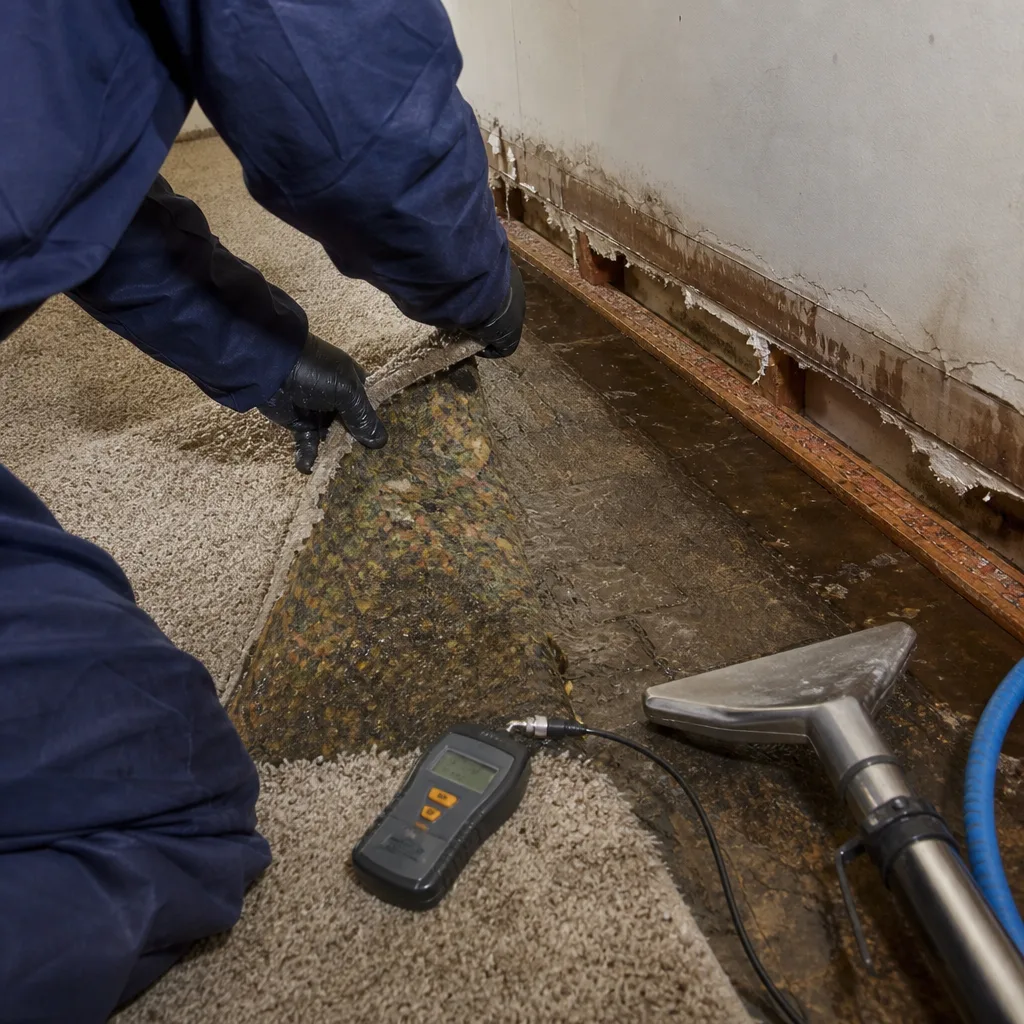
The Certificate of Completion is where restoration companies hide risk. Most homeowners sign it without reading, relieved the machines are gone. But this document controls whether your claim closes cleanly or enters the supplement-and-fight phase that can last months.
A valid Certificate of Completion in California must contain:
- Property address and claim number. Must match your policy documents exactly.
- Scope of work performed, with dates. Each phase - mitigation, remediation, reconstruction - listed separately with start and end dates.
- Equipment inventory with run hours. Serial numbers, placement dates, and removal dates for each machine. This is where daily logs pay off.
- Final moisture readings. Documented proof that drying targets were achieved, with baseline comparisons.
- Material disposal records. If asbestos, lead, or mold-contaminated materials were removed, disposal manifests must be referenced or attached.
- Warranty language. The Haven Standard’s 365-Day Done Right Promise appears here as a signed guarantee, not a verbal assurance. If moisture returns or reconstruction fails within 365 days, we return at no charge.
- Release of liability for documented work. You release the contractor from further obligation on the specific items listed. This protects both parties - but only if the list is complete and accurate.
- Refrigerant dehumidifiers (Phoenix 200HT, Phoenix R200): Remove moisture through condensation. Logs must show inlet and outlet temperature, relative humidity, and water removal volume in pints per day. Critical for initial high-humidity phases in Vista’s heavier air.
- Low-grain refrigerants (Phoenix LGR 3500i): Continue extracting moisture when specific humidity drops below 40 grains per pound. Essential for final drying days when standard units become ineffective.
- Air movers (XPOWER P-230AT, B-Air VP-33): Create vapor pressure differential across wet surfaces. Logs document placement pattern (perimeter, interlaced, or direct-to-surface) and CFM output at each position.
- Desiccant dehumidifiers: Use silica gel to absorb moisture, effective in low-temperature environments. Rarely needed in Vista but deployed for wine cellar or specialized content drying.
- Injectidry systems: Deliver heated, dehumidified air into wall cavities, under cabinets, and beneath hardwood floors. Logs document injection points, pressure readings, and cavity moisture reduction. Necessary for tertiary drying in Vista’s older construction with limited wall venting.
- Written price before work begins, every time. Not an estimate. A price. With line items. If a company says they can’t know until they start, they haven’t scoped properly. Haven Standard, Clause 1 exists to end that habit.
- Daily photo documentation as standard. Not an upsell. Included on every visit, with timestamps and geolocation.
- Named, background-checked, uniformed technicians. License numbers on request. You should know who enters your home.
- Live phone coverage, 24 hours a day, 7 days a week. No voicemail on emergency lines. Water doesn’t schedule.
- Equipment brands and maintenance records disclosed. If they won’t name their dehumidifier manufacturer, they may be using consumer-grade units.
- 365-Day Done Right Promise in writing. Not a verbal “call us if anything seems off.” A signed guarantee with a specific address: The Haven Standard.
Never sign a Certificate of Completion that references “all work” without itemization, or that contains blank spaces to be filled in later. We’ve seen Vista homeowners sign certificates with empty equipment lines, only to have three additional dehumidifiers appear on the final invoice that were never on site.
If your Certificate lacks final moisture readings, request them. If the company cannot produce them, do not sign. The daily drying logs are your property - you paid for the documentation through the work performed - and their absence is a red flag that your insurer will notice.
Mitigation, Remediation, and Reconstruction: Why Each Needs Separate Documentation
These three words are not interchangeable. California insurers treat them as distinct claim events with separate coverage triggers, deductibles, and documentation requirements. Confusing them on your invoice invites partial denial.
Mitigation is emergency work to stop ongoing damage. Extract standing water. Remove wet carpet pad. Place drying equipment. Board broken windows. In Vista, where our clay-heavy soils can wick groundwater into slab foundations, mitigation often includes sub-slab depressurization or vapor barrier assessment. Mitigation is typically covered without question if documented as emergency response - but only for the period necessary to stabilize, not to complete full drying.
Remediation is the removal of contaminated or damaged materials. Moldy drywall. Smoke-impregnated insulation. Sewage-soaked structural elements. Remediation requires specific protocols: containment barriers, negative air pressure, HEPA filtration, and disposal manifests for regulated materials. In Vista, any mold remediation exceeding 10 square feet requires a CSLB-licensed contractor and must follow Cal-OSHA guidelines. Our Mold Remediation in Vista service includes independent post-remediation clearance testing, with results attached to your file before reconstruction begins.
Reconstruction is rebuilding to pre-loss condition. New drywall, paint, flooring, cabinetry. This phase requires permits for electrical, plumbing, or structural work, and must comply with current Vista Municipal Code - which may have changed since your home was built. See our detailed overview of damage restoration permits, codes & inspections in CA: what you need to know. Reconstruction is where most supplement disputes arise, because insurers pay for “like kind and quality” at the time of loss, not for upgrades to current code unless you carry ordinance or law coverage.
Each phase needs its own written scope, its own line-item pricing, and its own photo record. We deliver three separate document packets for jobs spanning all phases, each cross-referenced to the others but independently complete. This structure prevents the common error of a mitigation invoice that silently includes reconstruction materials, or a reconstruction scope that omits the remediation work that preceded it.
Speed language belongs to mitigation only. When water is still moving, we dispatch immediately - live person answers every call, 24 hours a day, 7 days a week, with no voicemail trees. But reconstruction is scoped, scheduled, and priced in writing like any remodel. Promising same-day reconstruction is a sign of sloppy estimation, not responsiveness.
Professional Equipment and What the Logs Must Show
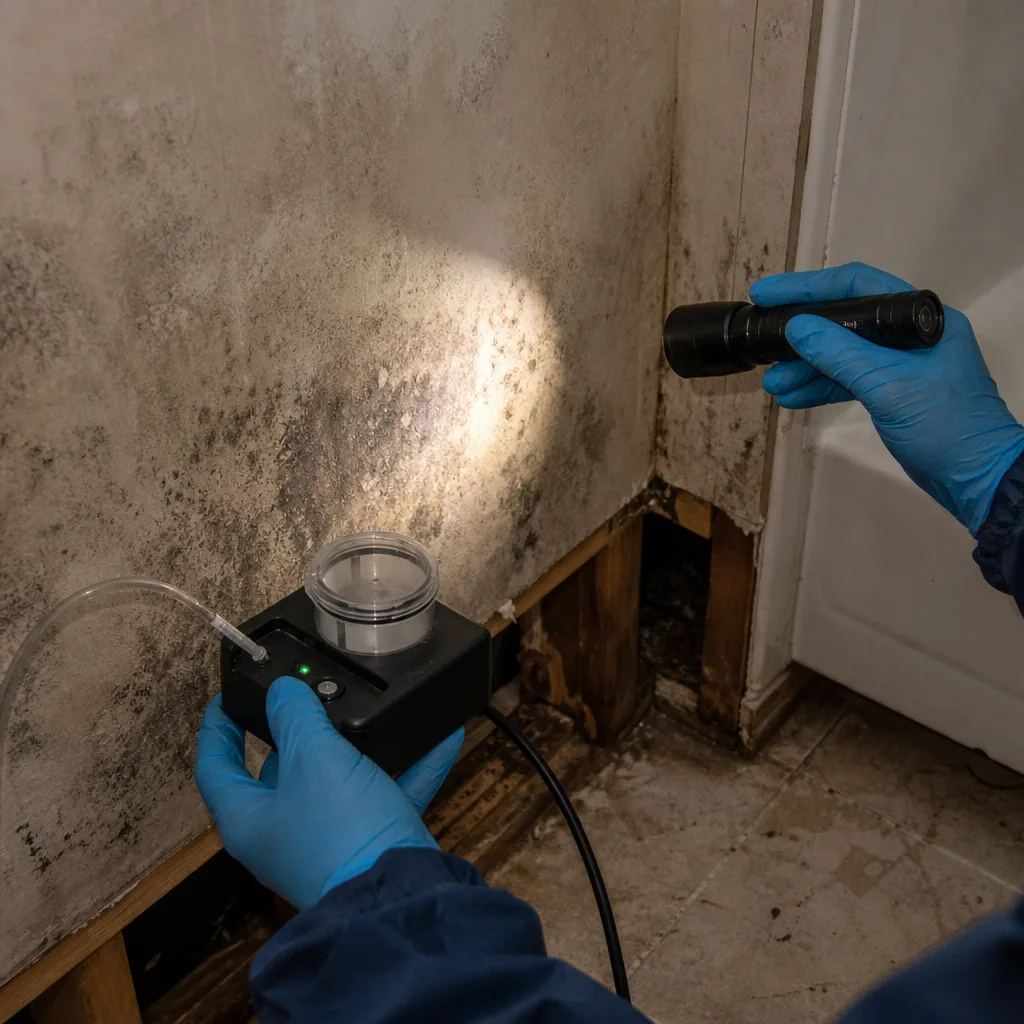
The equipment deployed on your job determines what the logs can prove. Consumer-grade dehumidifiers from hardware stores do not produce the psychrometric data that insurers require. We use professional drying systems from Phoenix, XPOWER, B-Air, and Injectidry - brands that output documented performance metrics.
Here’s what each machine type contributes to your file:
Every machine’s serial number appears in your file, cross-referenced to manufacturer maintenance records. If an insurer questions whether a unit was capable of the claimed performance, we produce the calibration certificate.
The XPOWER and B-Air air movers we deploy are specifically selected for their documented CFM-to-wattage ratios, which we log to prove energy efficiency during extended drying. Inefficient equipment inflates your utility costs and weakens your claim for extended equipment rental.
What Damage Restoration Costs in Vista
Pricing in Vista reflects our position between San Diego’s premium market and inland North County’s moderate costs - see our damage restoration cost breakdown: the Vista homeowner’s reference for 2026 for detailed ranges. These ranges represent what we’ve documented across 12,000+ homes restored since 2011, with written prices delivered before work began on every job.
| Service | Typical Range | What Drives Cost |
|---|---|---|
| Water extraction and initial mitigation | $1,200 - $3,800 | Square footage affected, category of water (clean, gray, black), subfloor type |
| Structural drying (per day, equipment) | $95 - $180 per dehumidifier; $35 - $65 per air mover | Machine class, run hours logged, local humidity conditions |
| Mold remediation (per square foot) | $18 - $35 | Containment complexity, disposal requirements, post-remediation testing |
| Fire and smoke damage restoration | $4,500 - $18,000+ | Structural involvement, content cleaning volume, odor complexity |
| Sewage cleanup | $3,000 - $8,500 | Category 3 water protocols, antimicrobial treatment, disposal manifests |
| Reconstruction (per square foot) | $45 - $125 | Material grade, code upgrade requirements, permit complexity |
These are ranges, not quotes. Every job is scoped in writing before work begins, with no scope-creep additions once the crew is inside - Haven Standard, Clause 1. Bring a competitor’s written estimate and we’ll review it at no charge with our Free Second Opinion service.
Insurance coverage varies by policy. Most Vista homeowners carry replacement cost coverage for the dwelling, but contents coverage may be actual cash value unless endorsed. We photograph and document every affected item for your adjuster, with replacement cost estimates where policy allows. Direct adjuster coordination is standard on every claim - we speak the language of adjustment because our founder did.
Choosing a Restoration Company in Vista
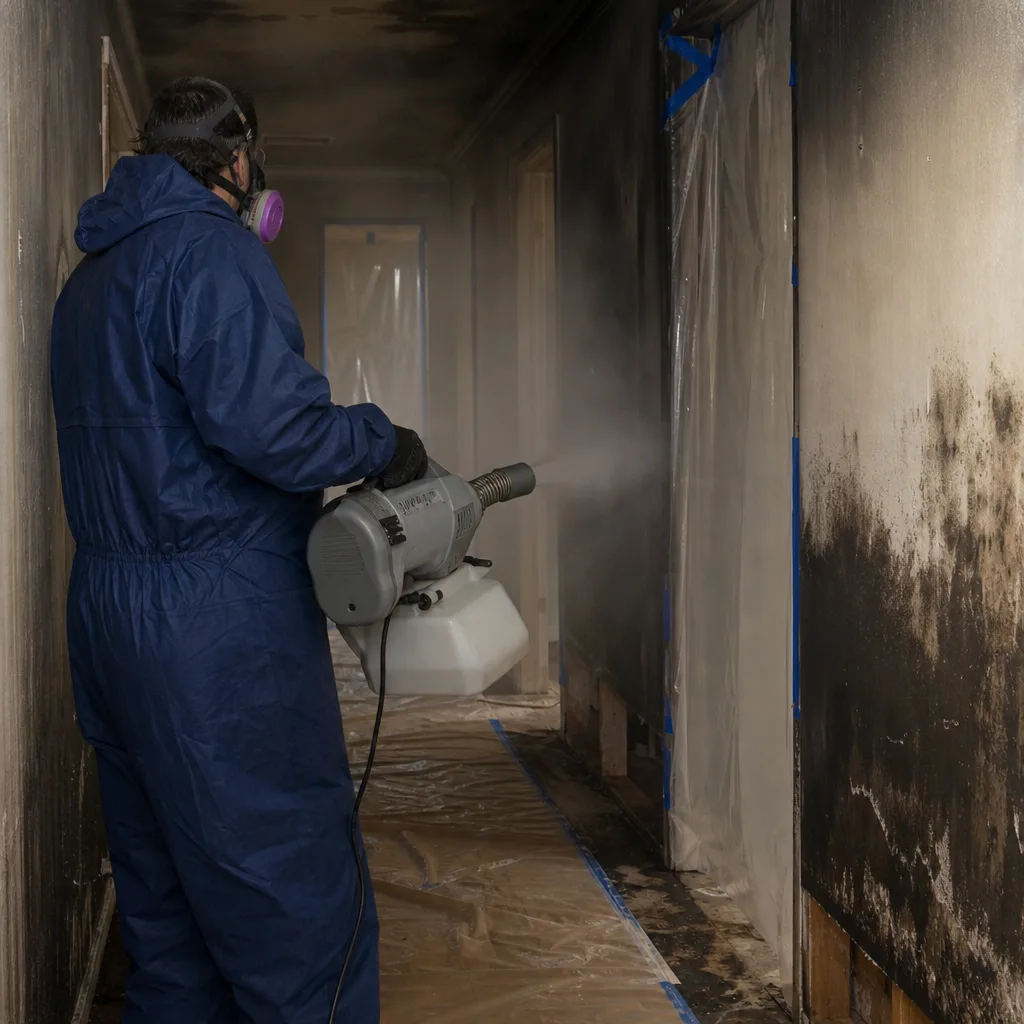
The right question is not “how fast can you get here?” but “what will my file contain when you leave?” Speed matters for mitigation, but documentation determines payment.
Evaluate companies on these specifics:
We’ve restored homes in every Vista neighborhood from Breeze Hill to Shadow Ridge to the commercial corridors near Vista Village Drive. Each area presents distinct construction eras, soil conditions, and code histories. A company that treats Vista as generic “San Diego metro” will miss these variables in their drying calculations and their documentation.
Our Fire & Smoke Damage Restoration in Vista service applies the same documentation rigor to soot and odor jobs, where the invisible residue determines whether your claim closes or reopens six months later when smoke odors resurface.
Common Mistakes to Avoid
- Signing a blank work authorization. Never authorize work without a written scope and price. Blank forms allow unlimited billing - we’ve seen $8,000 invoices for $2,400 worth of documented work.
- Accepting “drying equipment” as a single line item. Insurers require per-machine, per-day documentation. A single line invites proportional reduction or denial.
- Ignoring Vista’s baseline humidity in moisture readings. A technician who compares your wet drywall to Phoenix standards will over-dry your home and over-bill your insurer, or under-dry and leave mold risk.
- Letting mitigation and reconstruction blur on the invoice. Each phase needs separate documentation. Blurred phases trigger coverage disputes and delay payment.
- Failing to request the daily drying logs. These are your property. Their absence means the company has nothing to support your claim if challenged.
- Skipping post-remediation testing after mold work. Cal-OSHA guidelines recommend clearance testing. Without it, you have no proof the contamination was fully removed before reconstruction covers the evidence.
- Choosing by response time alone for reconstruction. Reconstruction is not an emergency. It requires permitting, proper scoping, and written pricing. Same-day reconstruction promises indicate corner-cutting, not capability.
When to Call a Professional
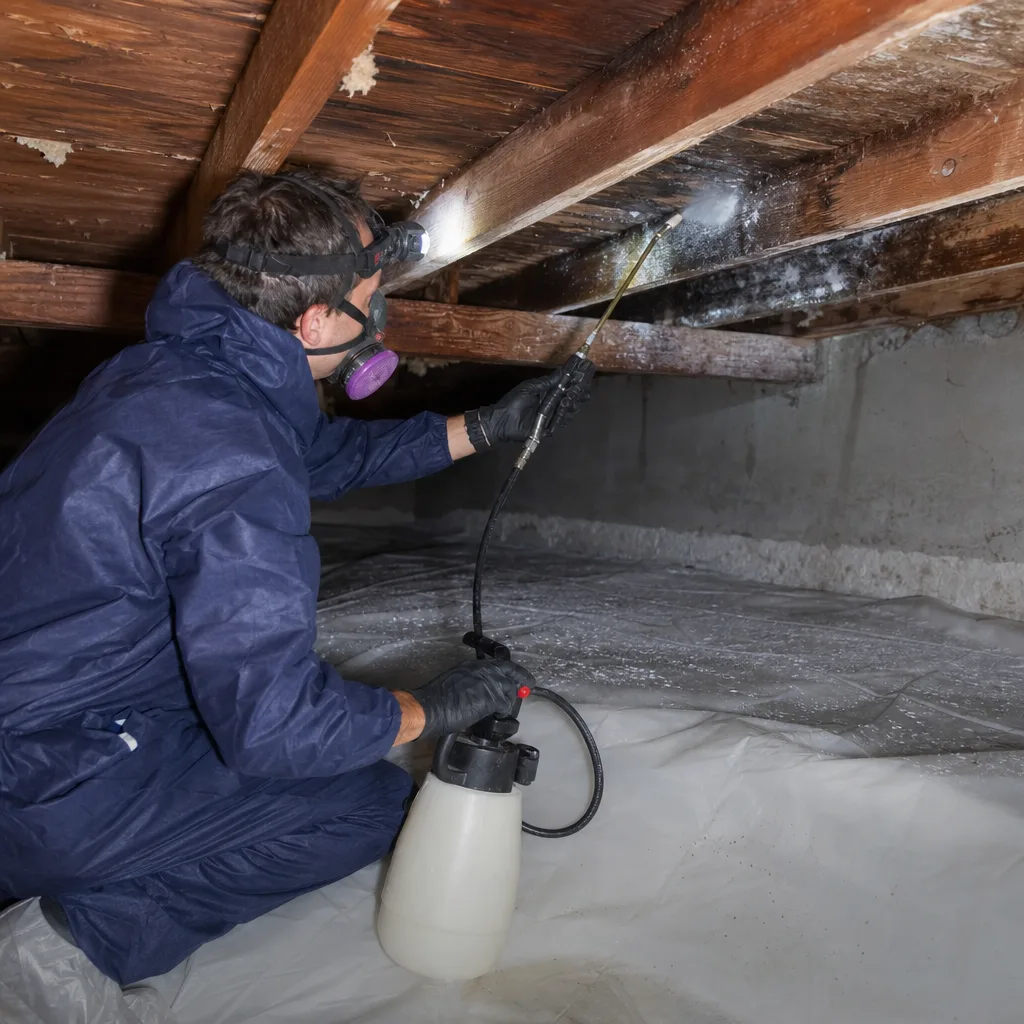
Call immediately when water is actively moving - through a burst pipe, roof breach, or appliance failure. Every hour of delay increases the water category (clean to gray to black) and the documentation burden required to justify your claim. Call when you smell mold but cannot locate the source, or when any mold patch exceeds 10 square feet - the Cal-OSHA threshold for professional containment. Call after any fire, even minor ones, because smoke residue continues acidifying surfaces until professionally neutralized. Call for sewage backup without exception - Category 3 water carries pathogens that standard cleaning cannot address.
DryMark Restoration Vista offers free estimates in Vista. A trained technician will assess your situation, document pre-existing conditions, and deliver a written scope with line-item pricing before any work begins. Call (760) 539-8990. Live person answers, 24 hours a day, 7 days a week.
Frequently Asked Questions
Most standard homeowner policies cover sudden and accidental water damage, fire, and storm damage, but exclude gradual leaks, flood (without separate flood insurance), and maintenance failures. Documentation determines whether your specific loss qualifies - daily drying logs, photo records, and written scopes are how you prove the event was sudden and the response was necessary. Call (760) 539-8990 and we’ll review your policy language with you at no charge.
For active water damage, our live dispatch answers immediately and routes emergency calls to the nearest available technician. Mitigation response typically ranges from 45 minutes to 2 hours depending on time of day and your location within Vista. Reconstruction is scheduled, not dispatched - it’s scoped, permitted, and priced in writing before work begins. Call (760) 539-8990 to confirm current availability.
Cleaning addresses surface contamination. Remediation addresses materials where contamination has penetrated or where moisture has created conditions for microbial growth. If moisture readings inside a wall cavity exceed baseline by more than 4 percentage points, or if mold is visible on more than 10 square feet, cleaning is insufficient and remediation is required under California guidelines. We document the distinction with moisture maps and photo evidence before recommending either approach.
We do. Direct adjuster coordination is standard on every claim. Your file - photos, drying logs, equipment records, written scope - is organized for adjuster review from day one. Alicia Brennan founded the company on the documentation gap that costs homeowners their claims, and our file preparation reflects that origin. We speak adjustment language because we learned it from the inside.
Most residential drying cycles run 3-5 days in Vista, with our coastal humidity adding 12-24 hours compared to inland markets for equivalent losses. Complex cases - slab construction with groundwater wicking, or homes with original plaster - may extend to 7-10 days. The determining factor is not a calendar but the daily drying logs: when moisture readings stabilize within 4 percentage points of baseline for 48 consecutive hours, drying is complete. We never remove equipment before the logs prove it’s justified.
A restoration company specializes in emergency response, contamination control, and documentation for insurance claims. A general contractor builds and renovates without the specialized equipment, health and safety protocols, or claim-documentation expertise that restoration requires. Some restoration companies hold B-General Building licenses and can perform reconstruction; many general contractors cannot legally perform mold remediation or sewage cleanup. Verify license classifications at cslb.ca.gov before hiring.
The Bottom Line
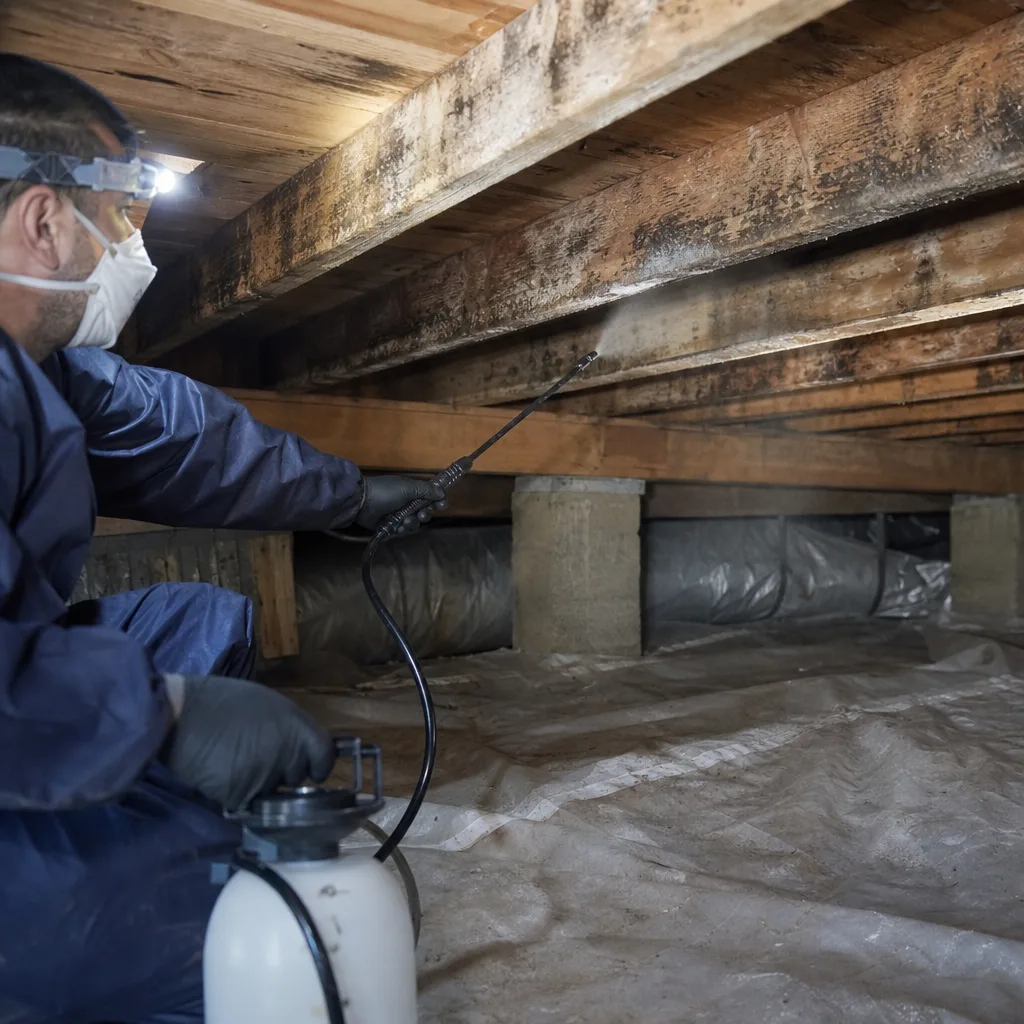
Damage restoration in Vista succeeds or fails on documentation, not drama. The $14,000 claim reduction that opened this guide was preventable - daily logs, equipment photos, and a written scope would have justified every dollar. Vista’s coastal humidity, varied construction eras, and California’s specific licensing and insurance rules make local expertise essential, but expertise without documentation is unprovable. Demand written prices before work begins, daily photo records on every visit, and a Certificate of Completion that itemizes every phase. The Haven Standard was built around these requirements because sloppy documentation costs homeowners their claims - and we’ve seen what that costs. Explore more guides & resources on protecting your Vista home.
Written by Alicia Brennan, Owner at DryMark Restoration Vista, serving Vista since 2011.