
Last updated September 23, 2026
Free visual inspection and a written scope of work before any mitigation begins - photos, moisture readings, and drying logs go in your claim file
The scope we write is the scope we bill. Anything new gets shown to you, in writing, before we touch it.
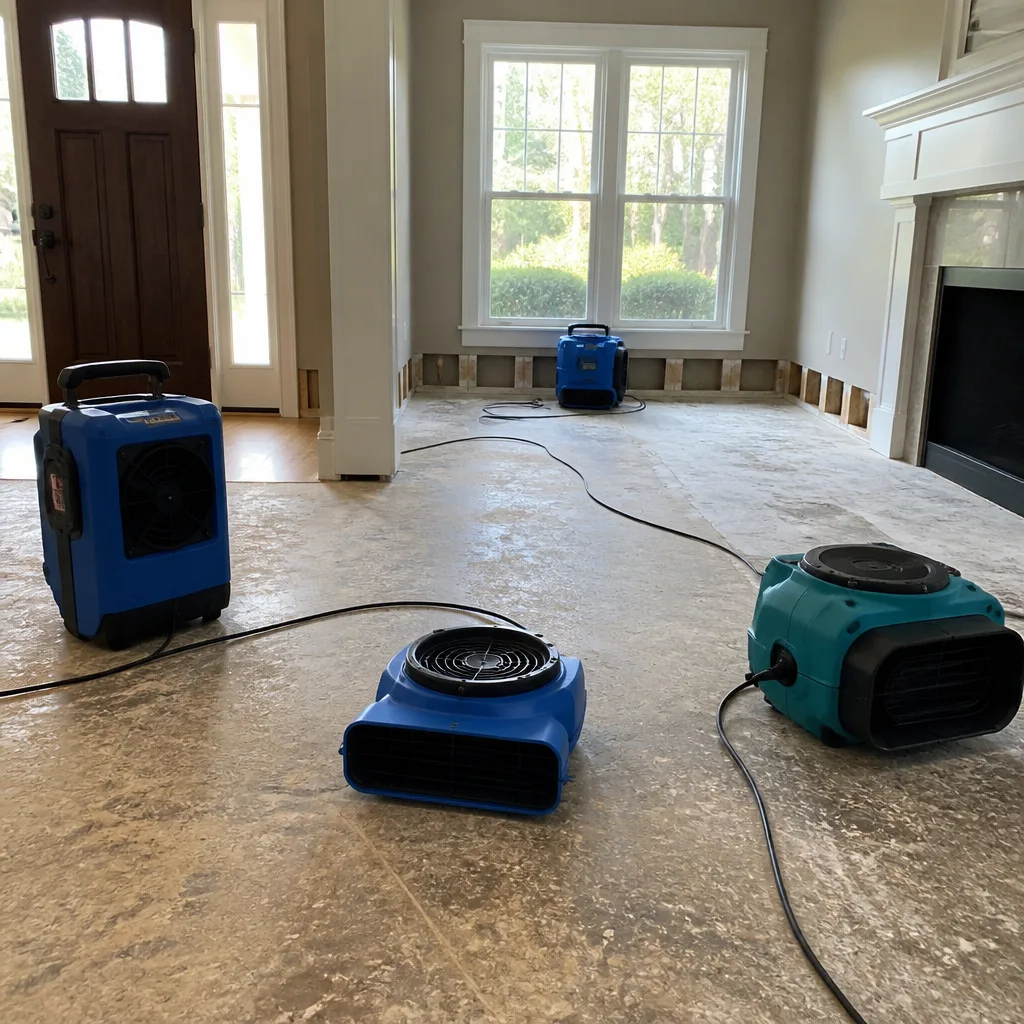
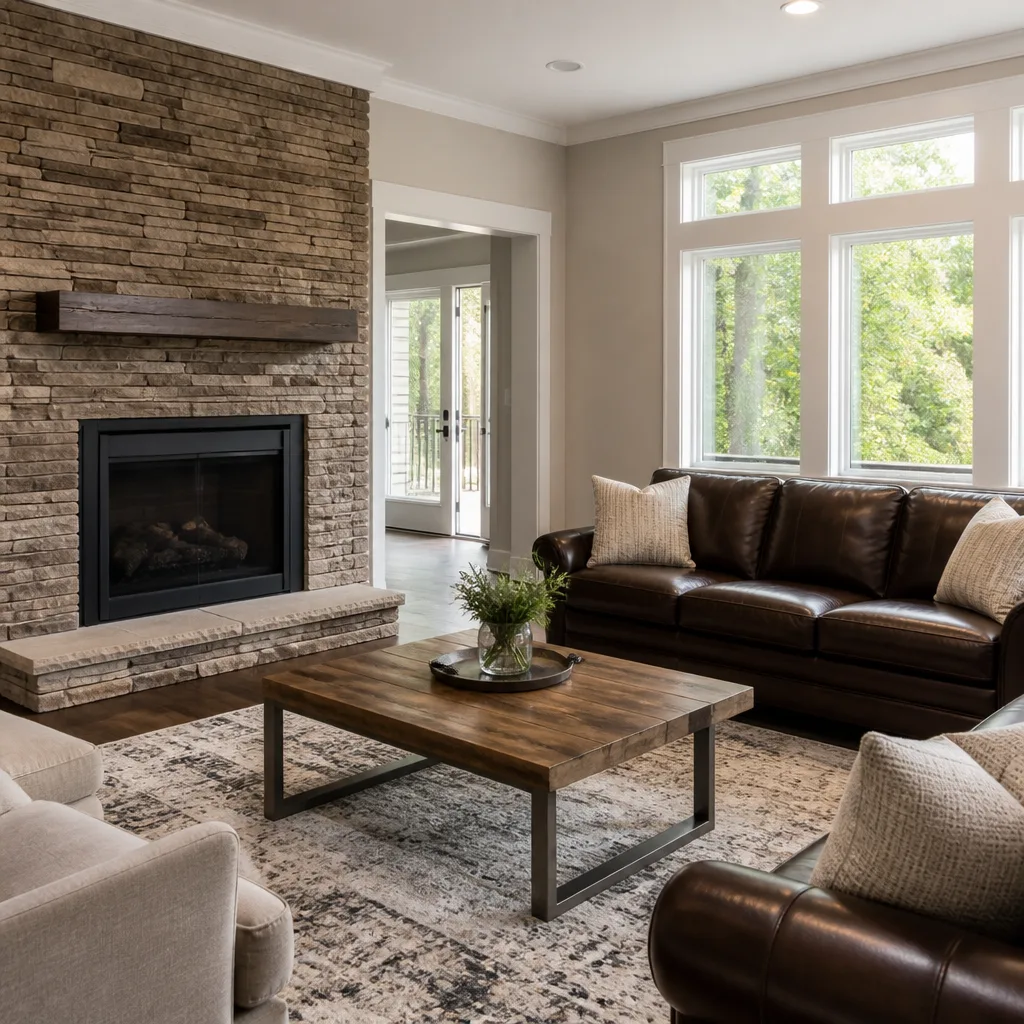
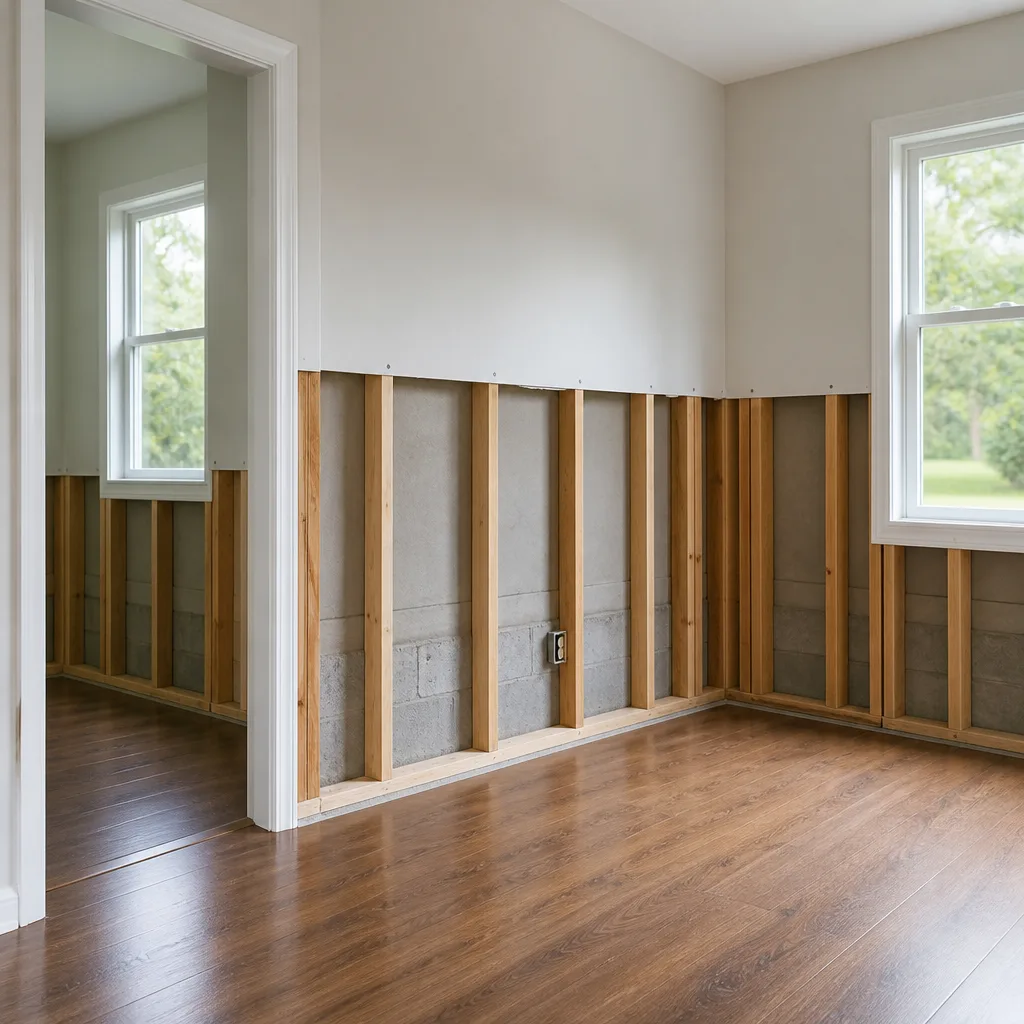
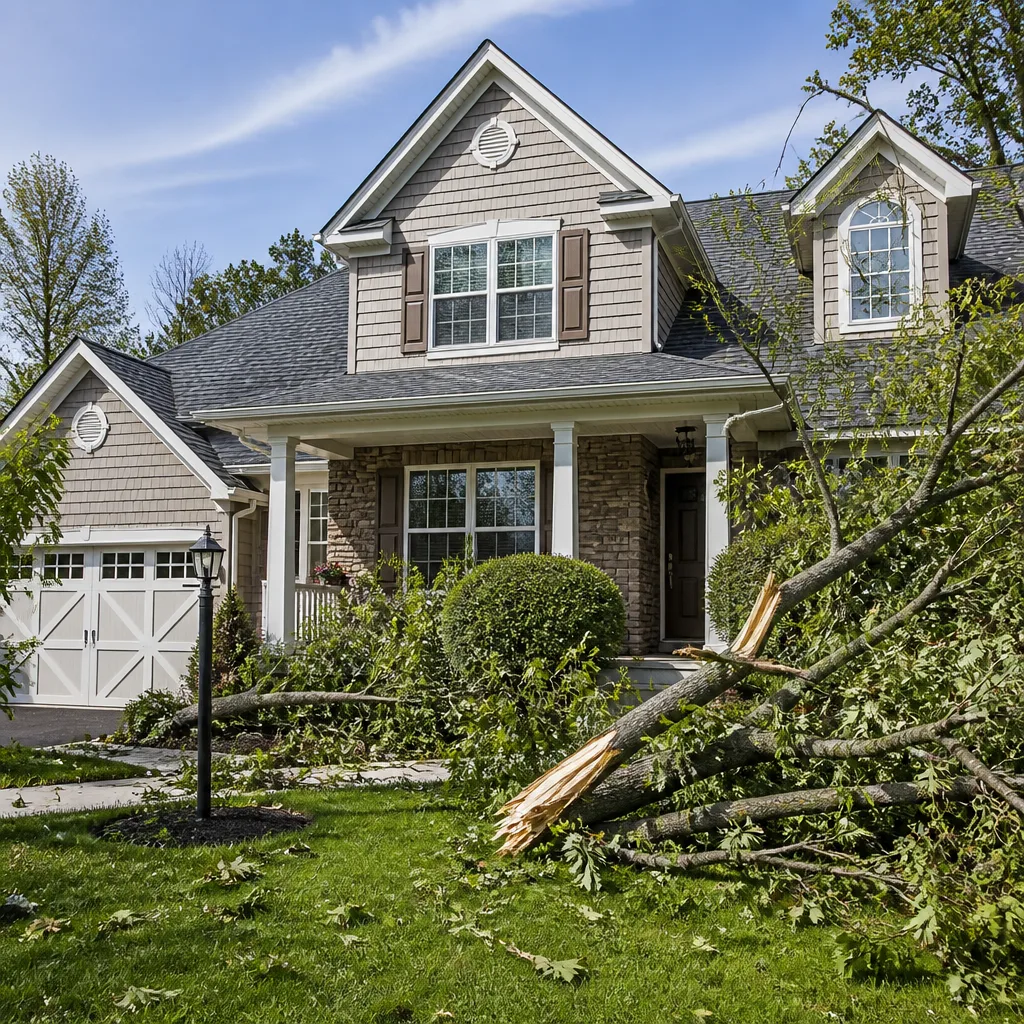
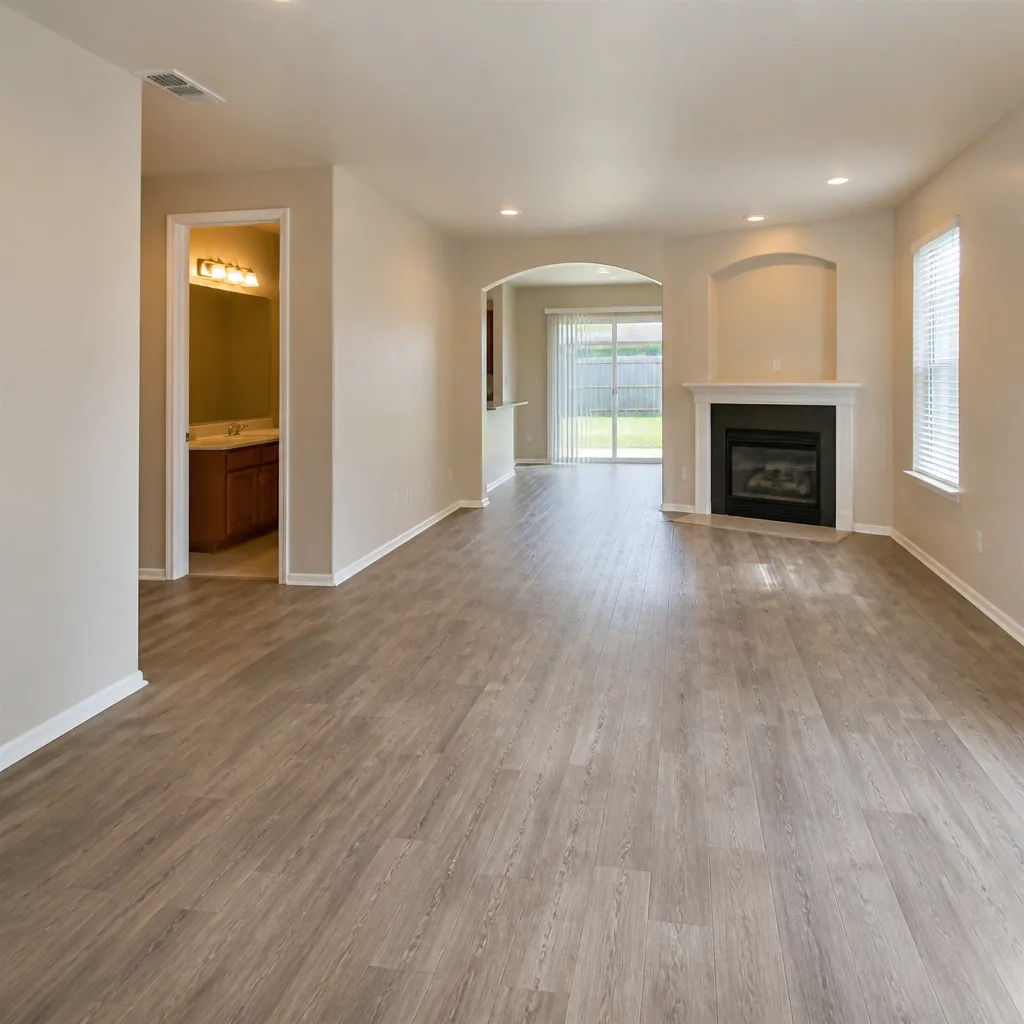
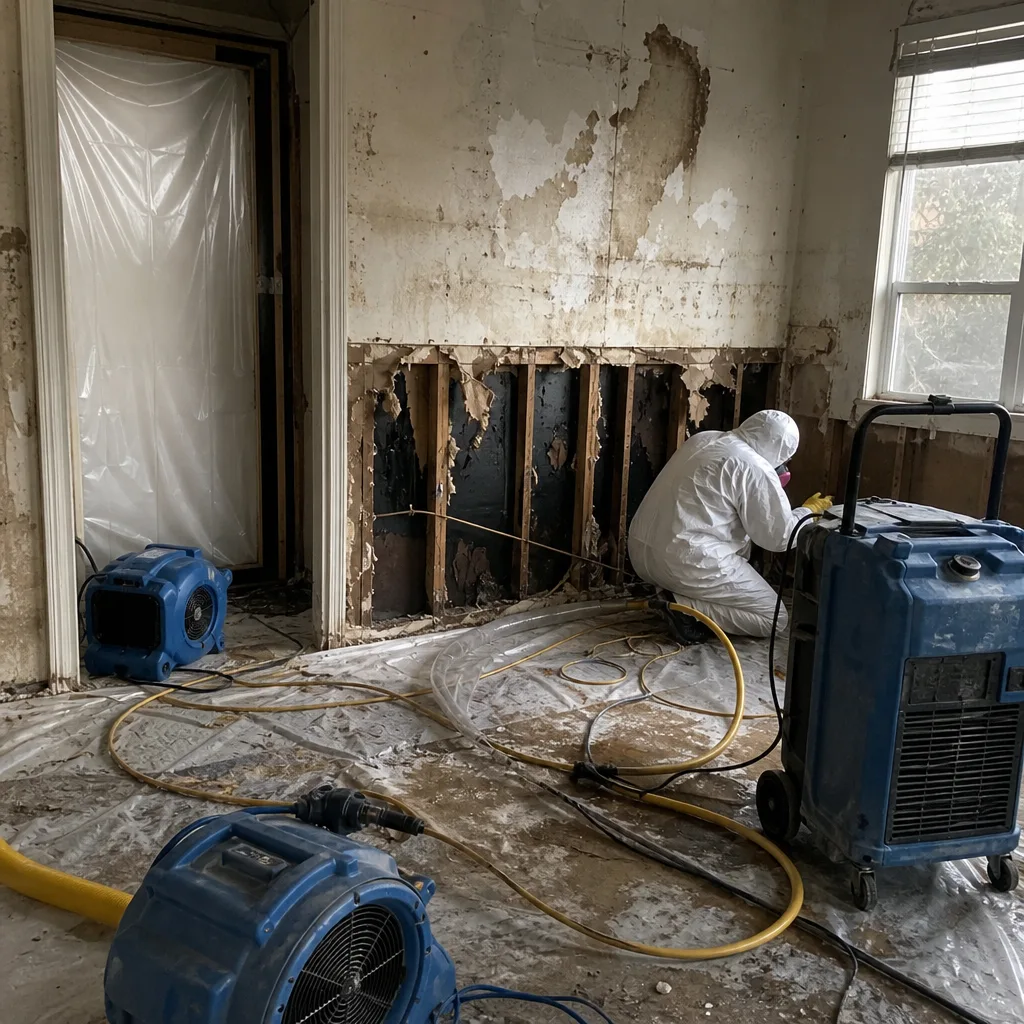 Before
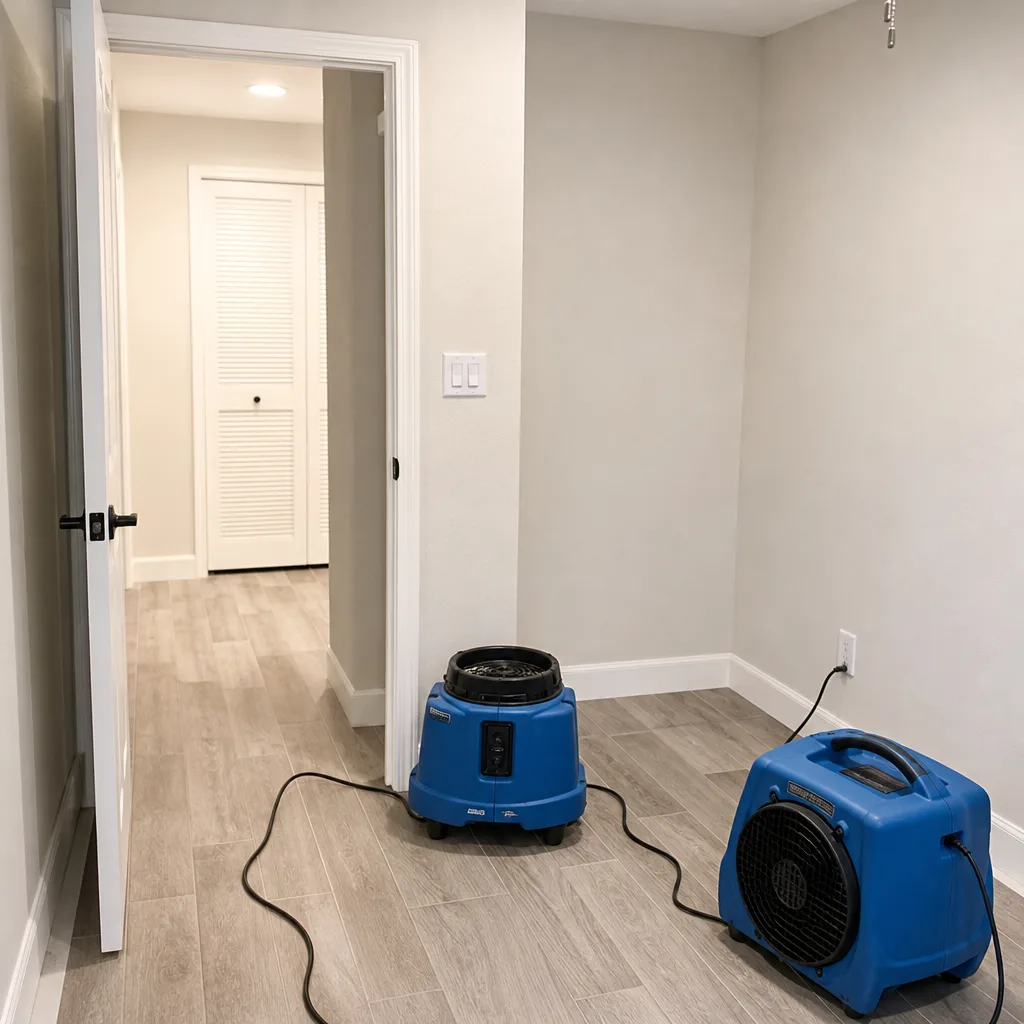 After
After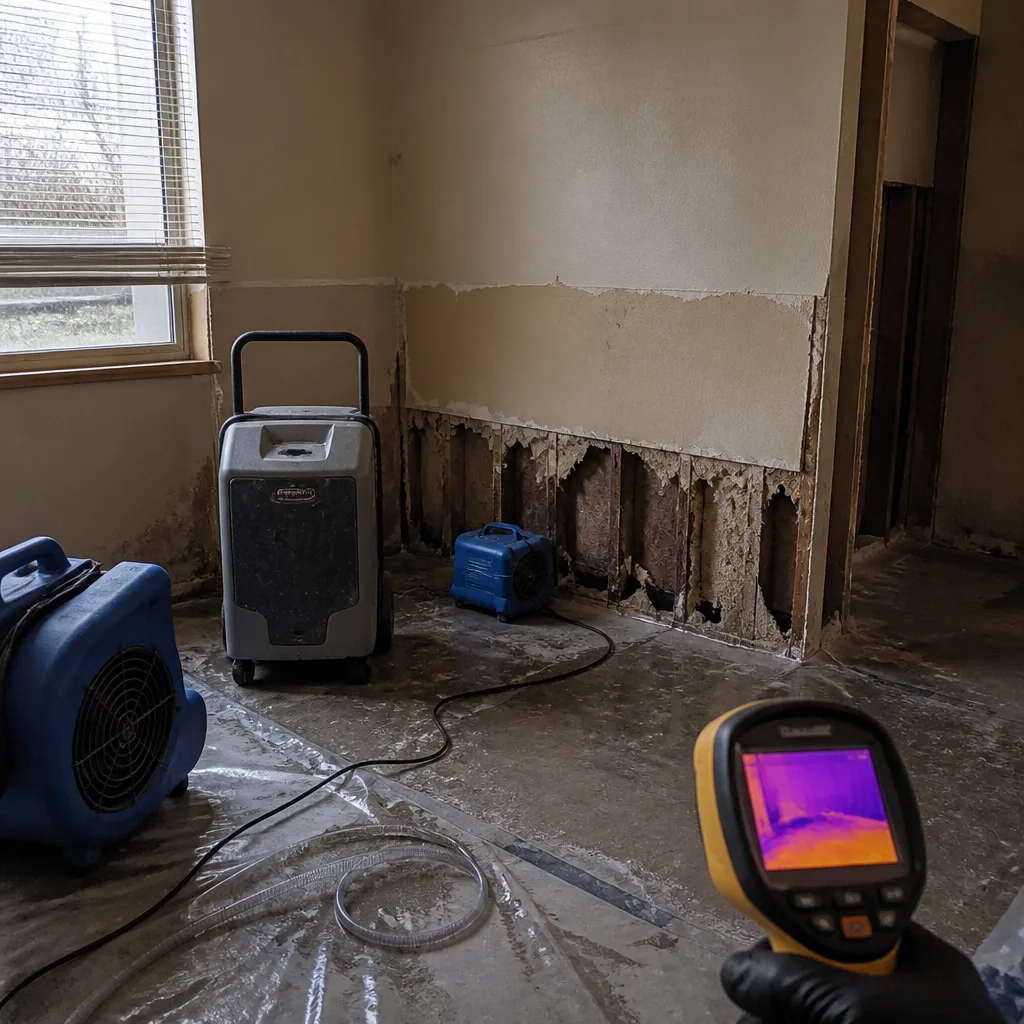 Before
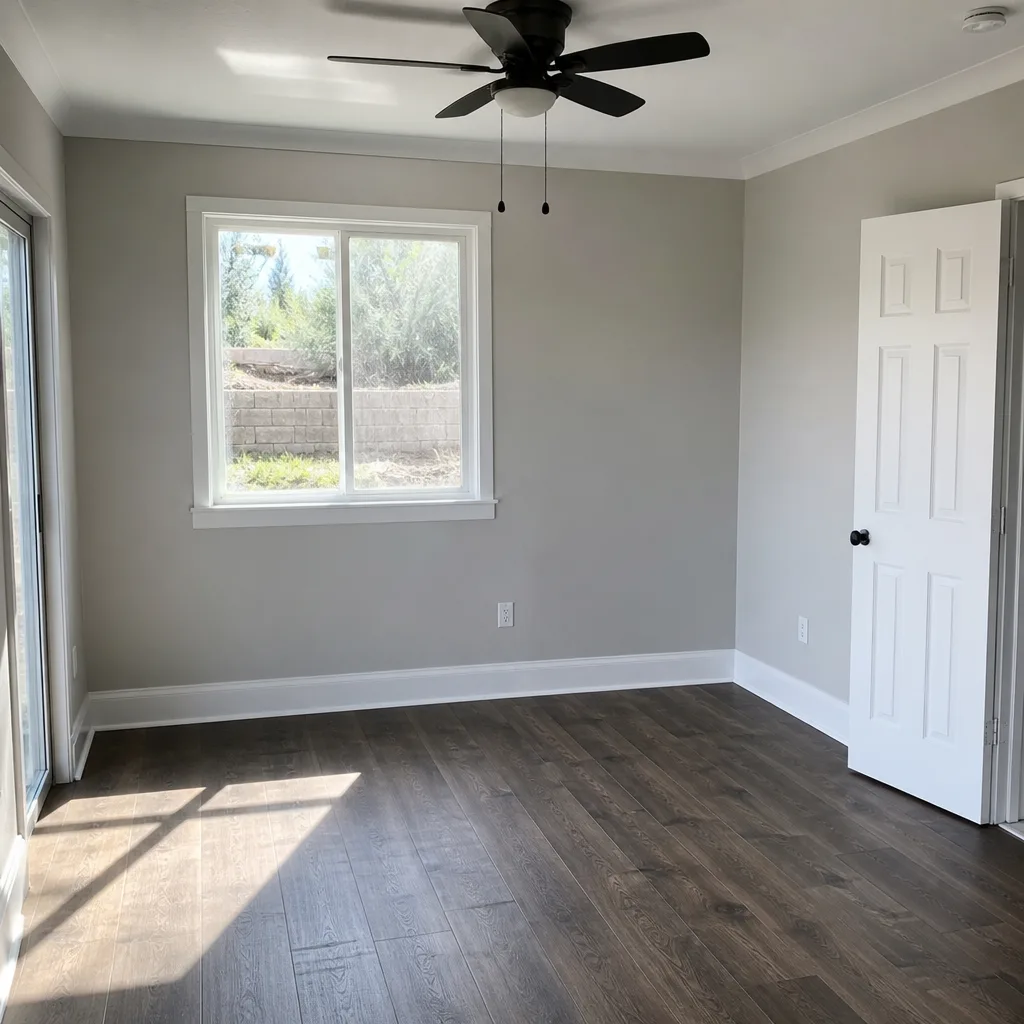 After
After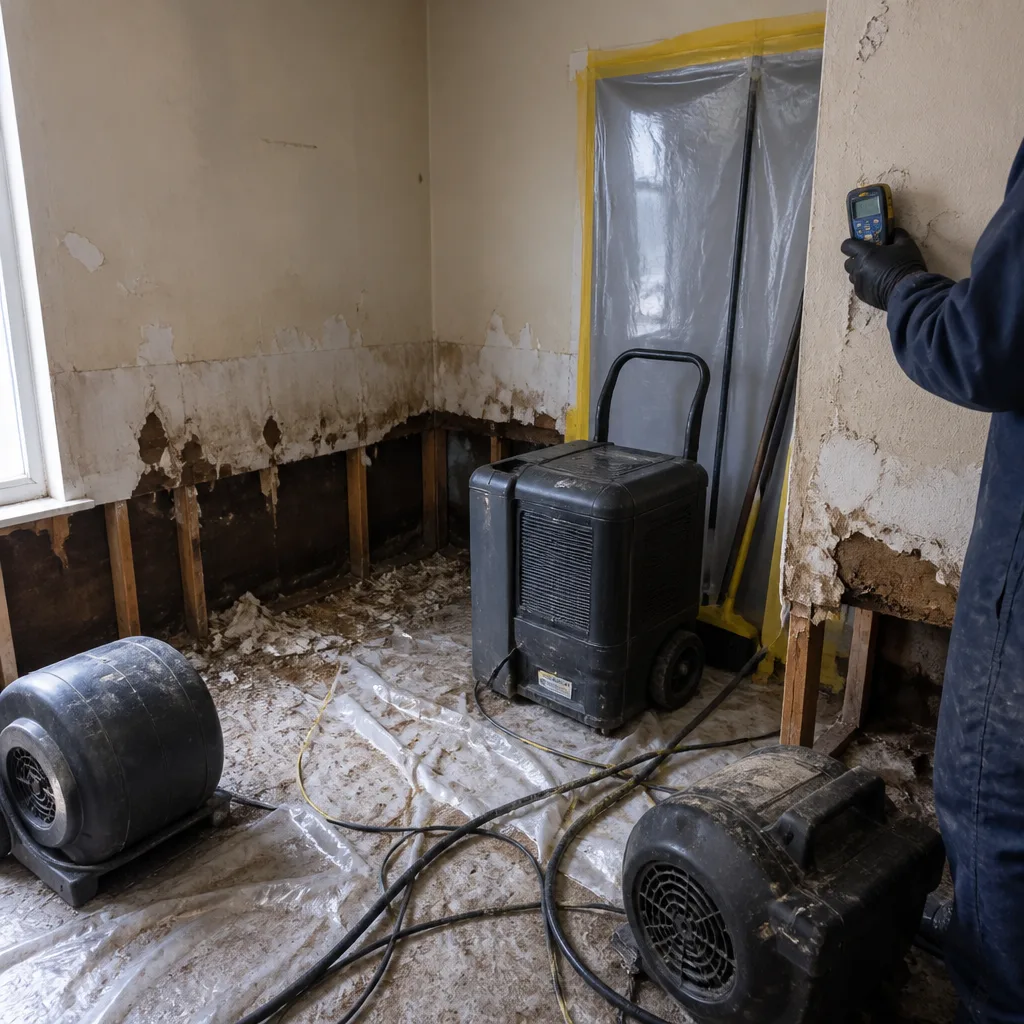 Before
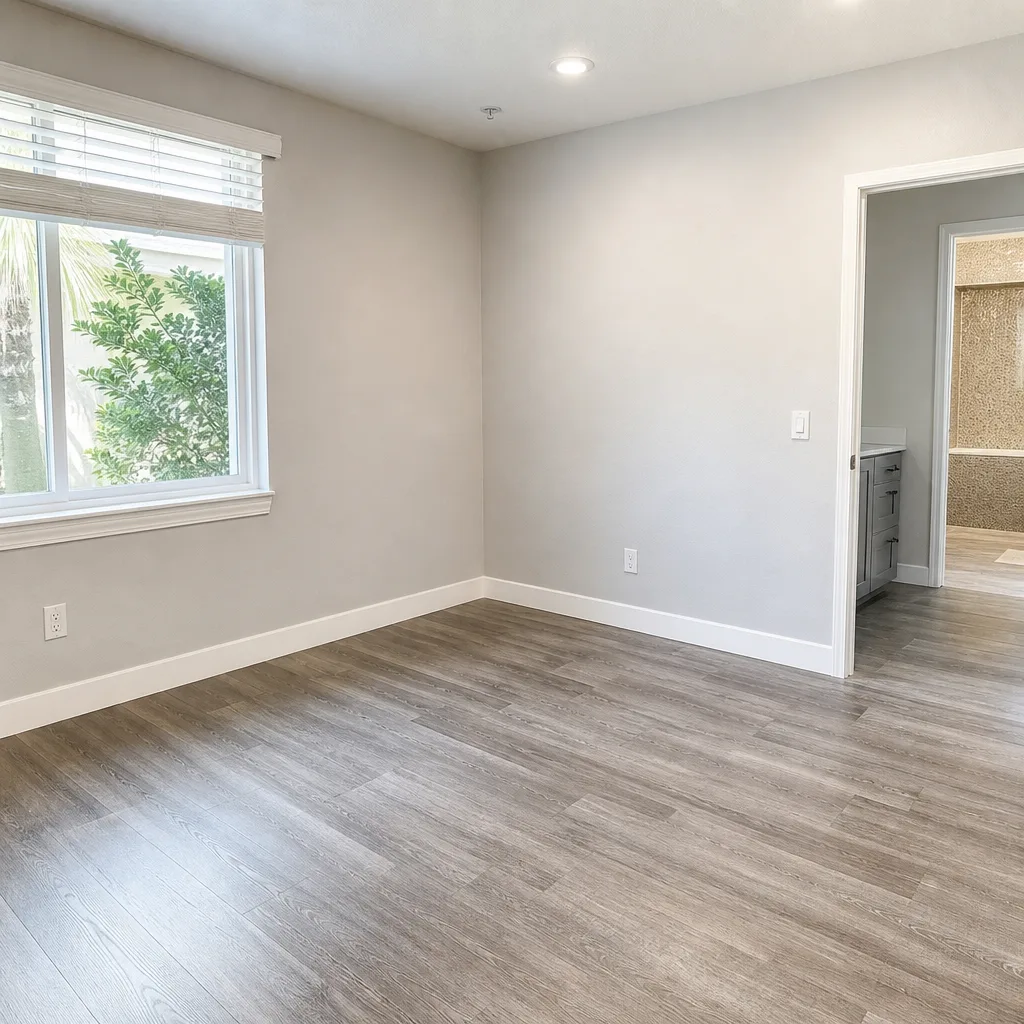 After
AfterDamage Restoration Cost Breakdown: The Vista Homeowner’s Reference for 2026
The single most disputed line item in Vista restoration invoices is “daily equipment rental” - because it rarely specifies the equipment class, the cubic footage served, or the moisture readings that justify each additional day of runtime. We’ve reviewed competitor scopes where a homeowner paid $89 per day for a “dehumidifier” with no model listed, no capacity rating, and no psychrometric data showing the machine was even the right size for the affected area. In Vista’s inland climate, where summer humidity drops below 40% and winter marine layer pushes it past 70%, equipment selection and runtime justification matter enormously for both drying effectiveness and final cost. This guide - alongside our Damage Restoration Warning Signs: A Vista Homeowner’s Reference Guide - translates every major line item into what it actually measures, what a reasonable rate looks like in the Vista market in 2026, and which charges are padding that a prepared homeowner can identify before signing.gning.
Quick Answer
Water damage restoration in Vista typically ranges from $3,200 for a contained Category 1 kitchen leak to $18,000+ for a Category 3 sewage backup affecting multiple rooms with full pack-out and reconstruction. Most Vista homeowners with standard HO-3 insurance see covered mitigation costs (extraction, drying, antimicrobial application) paid in full minus deductible, while non-covered items like upgraded finishes or code-upgrade materials fall to the homeowner. The key defense against invoice shock is a written scope with line-item pricing signed before work begins - Haven Standard, Clause 1 - matched against daily equipment logs and photo timestamps. See our DIY vs Professional Damage Restoration: The Vista Homeowner’s Decision Guide for help deciding when professional scope control is essential.
Table of Contents
- Current Vista Market Rates for the Five Core Mitigation Line Items
- How Xactimate Pricing Categories Map to Real-World Restoration Tasks
- Category 1, 2, and 3 Water Damage: Cost Implications Under IICRC S500
- What California HO-3 Insurance Covers Versus Homeowner Responsibility
- Using a Written Scope as a Cost Audit Tool
- Vista-Specific Cost Factors: Climate, Geography, and Code
- Reconstruction and Rebuild Cost Ranges in Vista
- Common Mistakes to Avoid
- When to Call a Professional
- Frequently Asked Questions
 Before
 After
AfterCurrent Vista Market Rates for the Five Core Mitigation Line Items
These ranges reflect Vista’s position in the North San Diego County market - higher than inland Empire rates, lower than coastal Del Mar or La Jolla pricing, with technician wages and disposal fees calibrated to San Diego County’s cost structure. All figures assume residential single-family construction typical of Vista’s 1980-2010 housing stock: slab-on-grade or raised foundation, standard drywall and fiberglass insulation, no historic preservation requirements.
1. Water Extraction
Extraction is priced by the square foot of standing water or by the hour for truck-mounted systems on large losses. The critical variable is whether the water is “extractable” - pooled on hard surfaces - or “bound” in carpet pad, subfloor, or wall cavities, which requires more time and specialized tools.
- Standing water extraction (hard surfaces): $1.50-$2.75 per square foot
- Carpet and pad extraction (weighted roller or ride-on unit): $2.25-$4.00 per square foot
- Truck-mounted extraction with discharge to sanitary sewer: $175-$295 per hour, 2-hour minimum
- Subsurface extraction (Injectidry panel system or similar): $45-$65 per linear foot of wall affected
In Vista’s older neighborhoods like Shadow Ridge and Vista Village, we’ve encountered original slab construction with no vapor barrier where water migrates laterally under the entire foundation. Extraction becomes a multi-day process of repeated passes, not a single pump-out. The written scope should specify whether extraction is priced as a lump sum or time-and-materials, and what triggers additional charges.
2. Structural Drying (Labor and Monitoring)
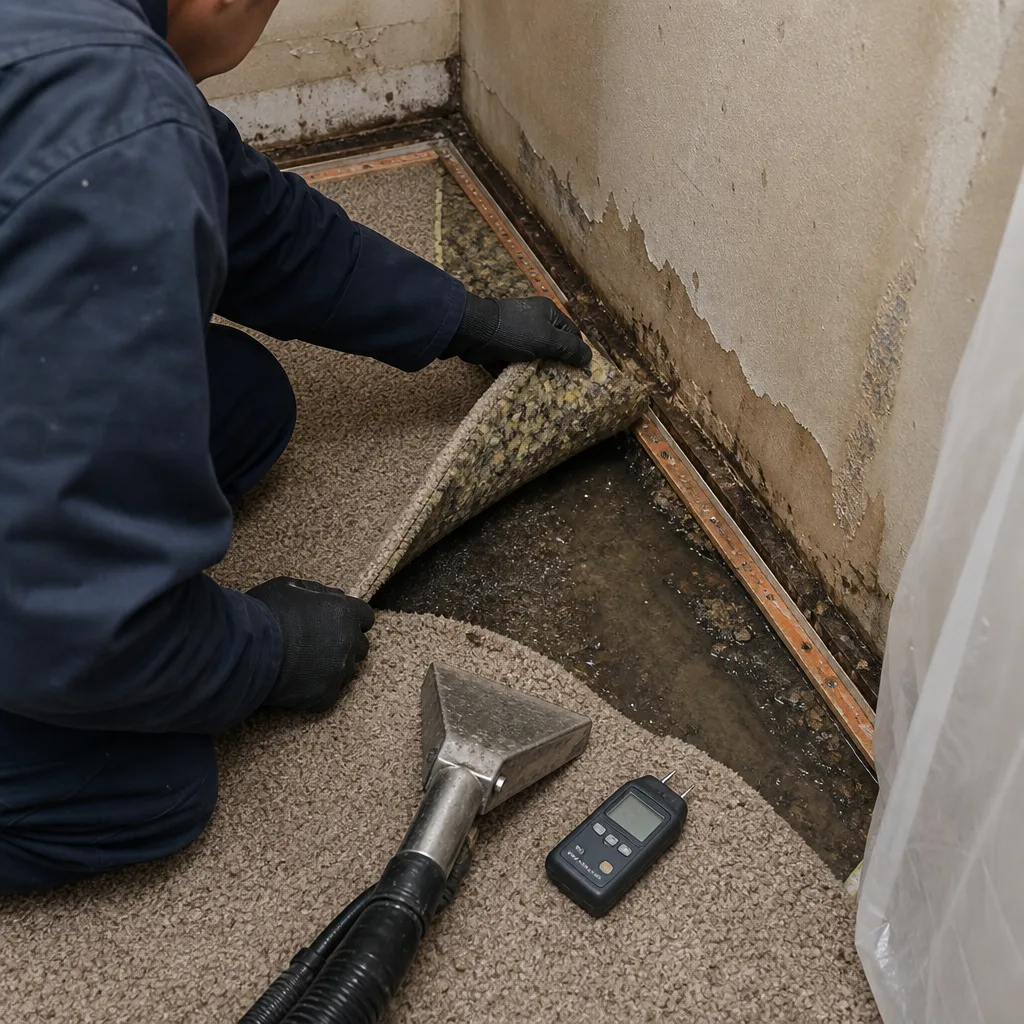
Drying labor covers equipment placement, daily moisture readings, psychrometric charting, and equipment relocation as drying progresses. This is where most invoices grow without clear justification.
- Standard drying labor (Category 1, single room): $850-$1,400 for 3-5 day project
- Complex drying (multiple zones, HVAC coordination, containment): $1,800-$3,200
- Daily monitoring visit (moisture readings, photo documentation, drying log update): $195-$325 per visit
- After-hours or weekend monitoring surcharge: 25-40% above standard rate
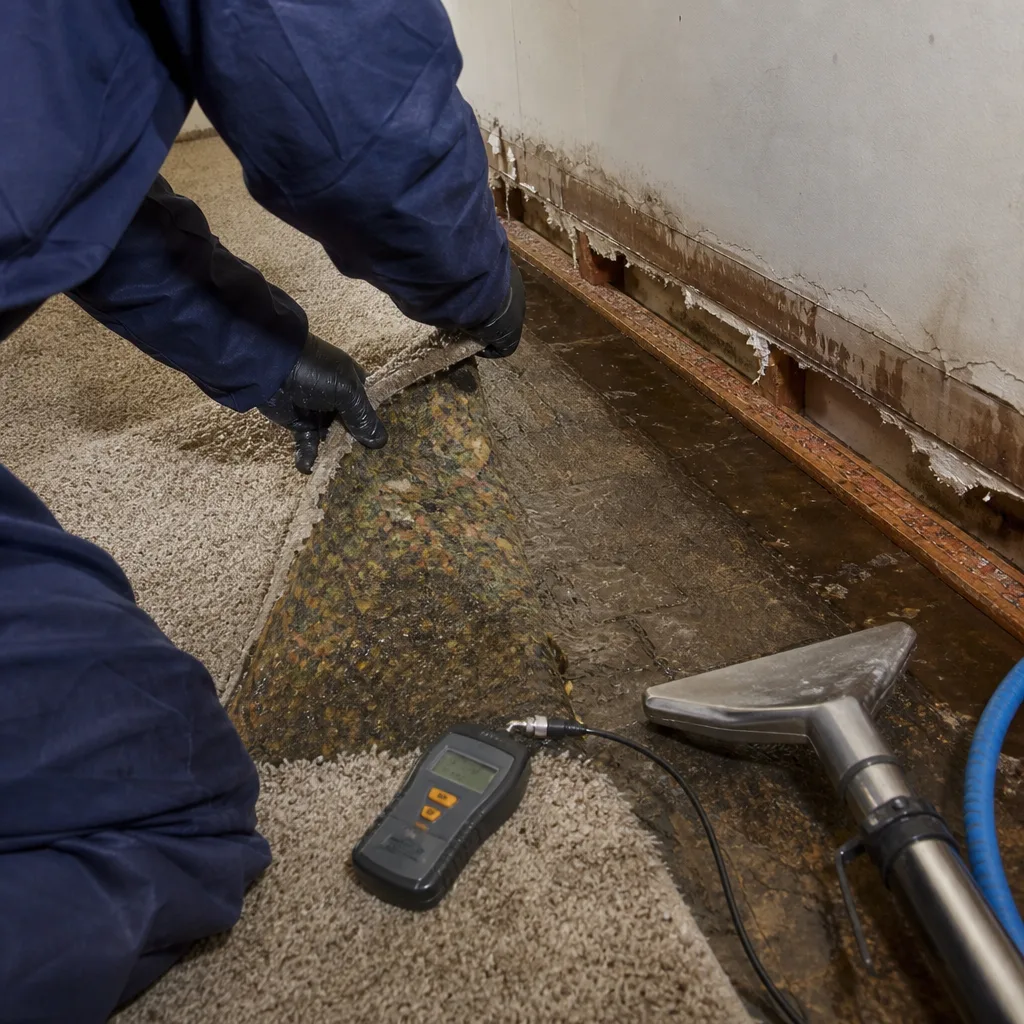
The Haven Standard requires daily moisture logs with readings from calibrated penetrating meters at specified intervals - typically every 16 inches on affected walls, at multiple depths in structural materials. If your invoice shows five days of “drying labor” but the log has two days of readings, that’s a discrepancy to flag before payment.
3. Equipment Rental (Dehumidifiers, Air Movers, Specialty)
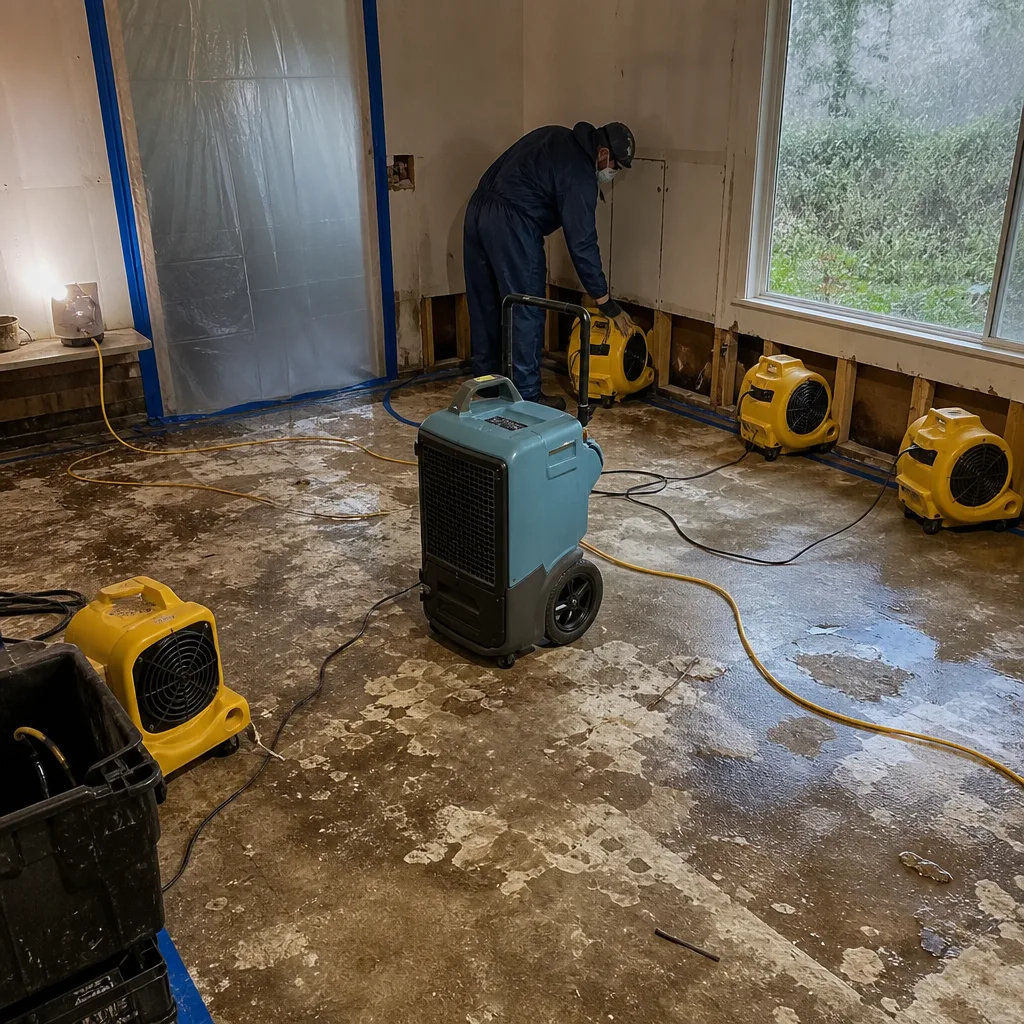
This is the disputed line item. Equipment should be specified by manufacturer, model, capacity, and the cubic feet per minute (CFM) or pints-per-day removal rate it delivers. Generic entries like “dehu” or “air mover” are insufficient for audit.
| Equipment Class | Typical Vista Rate | Capacity/Specification | Justification Required |
|---|---|---|---|
| Standard refrigerant dehumidifier (LGR) | $55-$85/day | 70-130 pints/day at AHAM conditions | Affected volume in cubic feet, target grains per pound (GPP) |
| Desiccant dehumidifier | $125-$195/day | 150-500 CFM process air | Low-temperature or low-humidity conditions; hardwood, plaster, or dense materials |
| Axial air mover | $18-$28/day | 2,000-3,500 CFM | Linear feet of wall/wet surface, positioning per IICRC S500 |
| Centrifugal air mover | $22-$35/day | 1,500-2,400 CFM, focused airflow | Cavity drying, subfloor, or specific material targeting |
| Injectidry or Dri-Eaz interair drying system | $45-$75/day per panel/port | Variable CFM, positive/negative pressure | Wall cavity dimensions, insulation type, vapor barrier presence |
| HEPA air scrubber | $35-$55/day | 500-2,000 CFM, 99.97% at 0.3 microns | Contamination level, containment area air changes per hour |
| Thermal imaging (FLIR or equivalent) | $195-$350 per inspection | 320×240 resolution minimum | Scope verification, hidden moisture detection, documentation |
Phoenix and XPOWER units dominate the Vista rental market for standard residential work; B-Air and Dri-Eaz systems appear more frequently on commercial losses or where specific CFM requirements apply. The daily rate should include delivery, setup, and retrieval - if these are separate line items, that’s double-charging unless the scope explicitly separates them.
4. Mold Testing and Laboratory Analysis
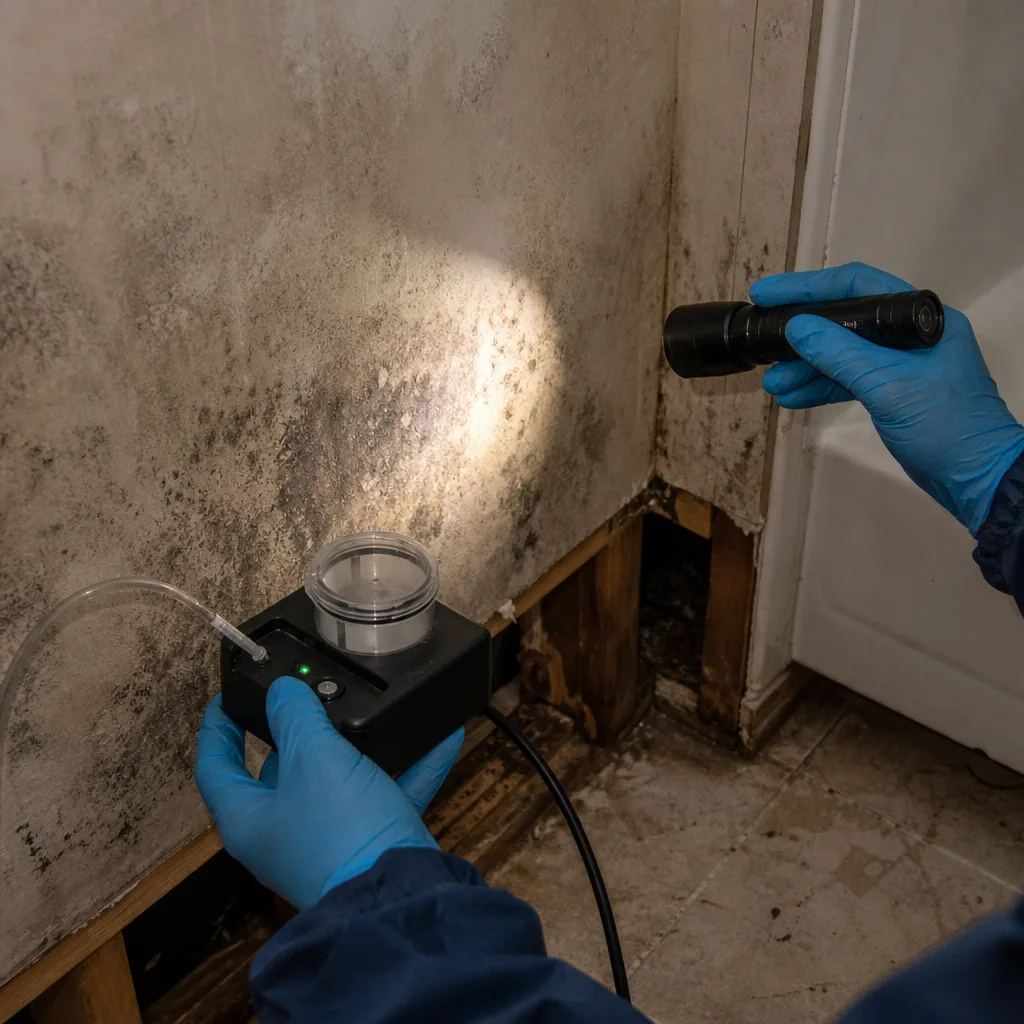
Not every water loss requires mold testing. In Vista’s climate, visible mold growth can appear within 48-72 hours of water intrusion during warm months, but IICRC S520 distinguishes between “Condition 2” (settled spores) and “Condition 3” (active growth requiring remediation). Testing should be justified, not automatic.
- Air sampling (spore trap, 2 indoor/1 outdoor): $295-$495
- Surface or bulk sample (tape lift, swab, or material): $85-$150 per sample
- ERMI or dust analysis (whole-home assessment): $450-$750
- Third-party post-remediation verification (PRV) with air sampling: $495-$895
We recommend third-party PRV for any mold remediation in Vista, performed by an assessor with no financial relationship to the remediation contractor. This eliminates conflict of interest and satisfies most insurance requirements for clearance documentation.
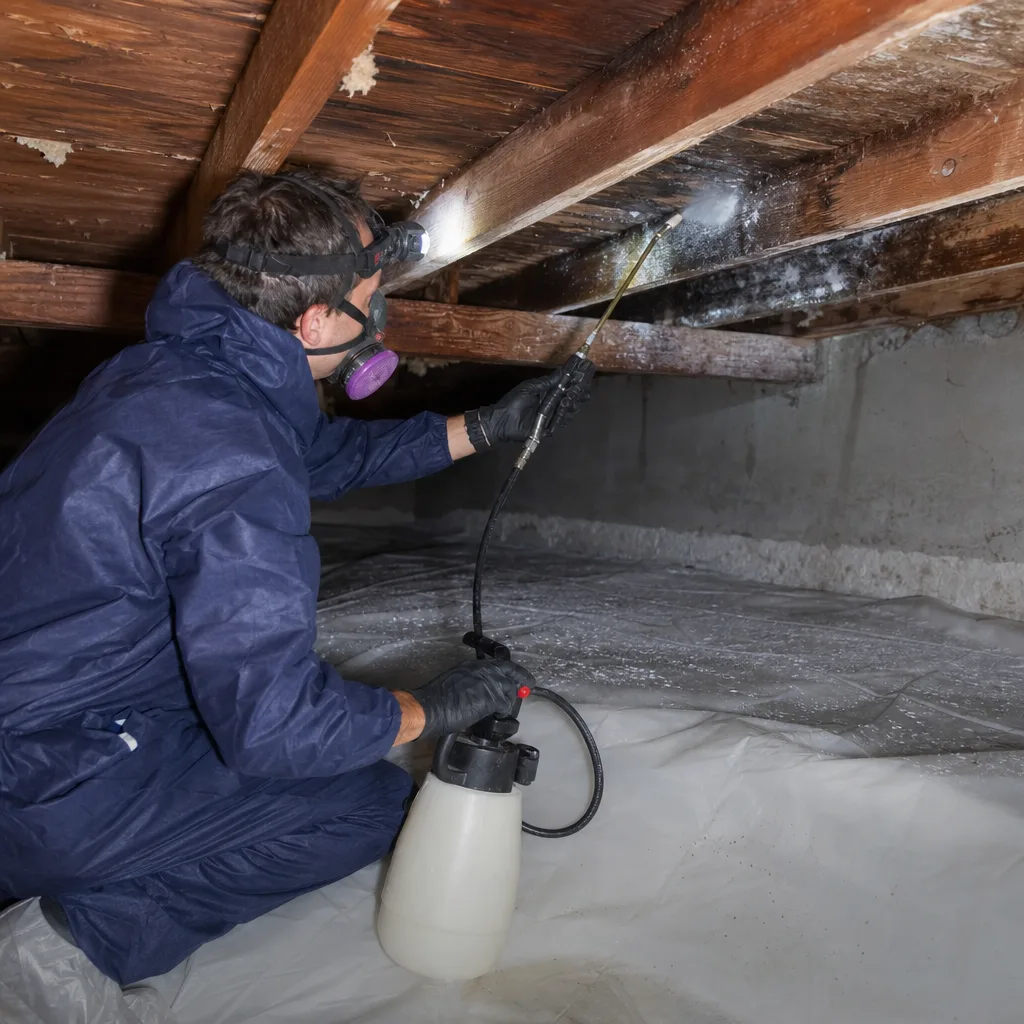
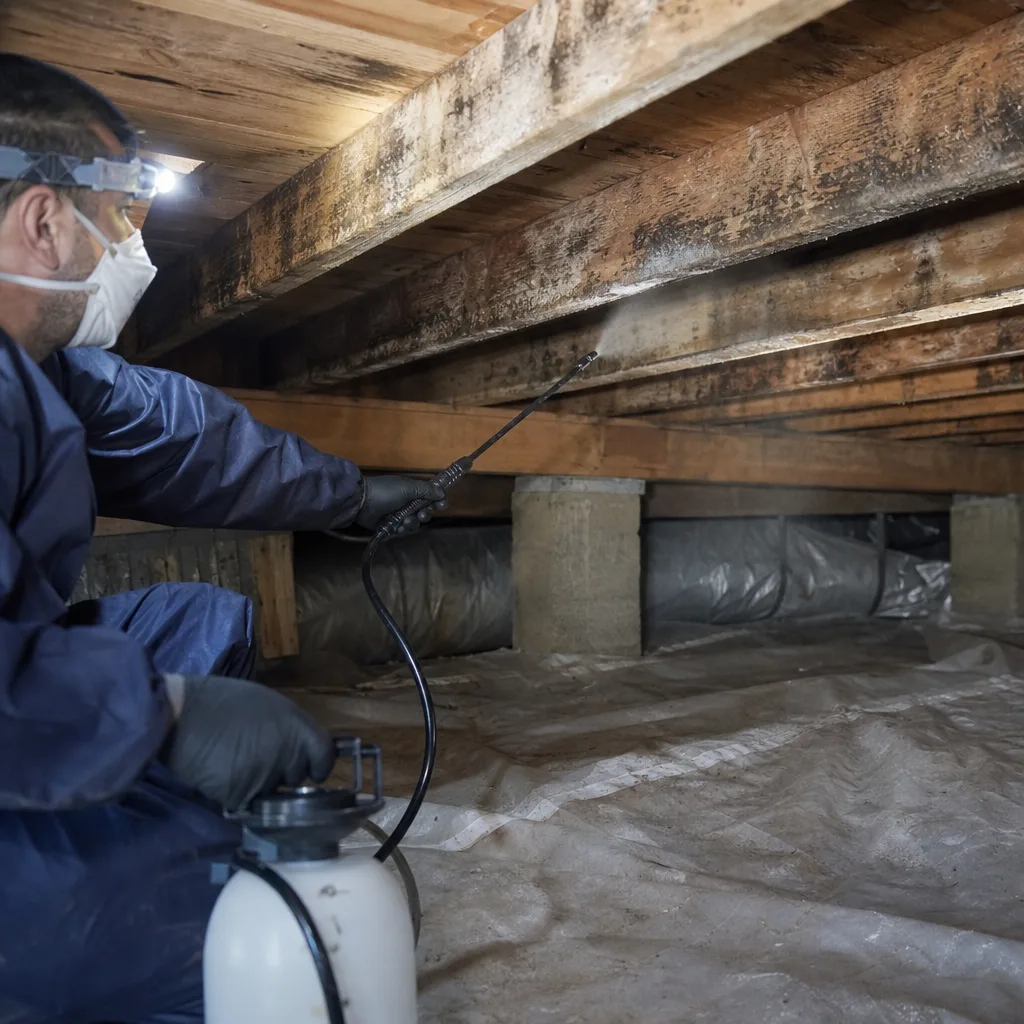
5. Antimicrobial Application
Antimicrobials are categorized by EPA registration and intended use. The invoice should name the product, not “disinfectant” or “mold treatment.”
- Category 1 water, preventive application (EPA-registered sanitizer): $0.35-$0.65 per square foot
- Category 2 or 3 water, disinfectant application (EPA List N or equivalent): $0.55-$1.25 per square foot
- ULV fogging or thermal fogging for odor/contamination: $0.85-$1.75 per square foot
- Hydroxyl or ozone generator rental (odor removal, unoccupied space): $125-$225/day
How Xactimate Pricing Categories Map to Real-World Restoration Tasks
Xactimate is the pricing engine behind most insurance claims in California. Contractors can use it as a baseline, apply their own markup factors, or ignore it entirely for non-insurance work. Understanding where Xactimate rates come from helps identify when a contractor’s price departs significantly from market reality.
Xactimate publishes unit costs derived from regional contractor surveys, material pricing services, and labor rate studies. For San Diego County, the software applies a location factor that adjusts base rates upward from national averages. However, Xactimate does not automatically account for:
- Vista’s specific disposal fees at the Miramar Landfill or local transfer stations
- California’s stringent VOC regulations affecting coating and adhesive selection
- The 2024-2026 surge in lumber and gypsum pricing following supply chain adjustments
- Specialized equipment like Injectidry systems, which may not have a specific line item
Contractor markups above Xactimate base rates typically appear as:
- Overhead and profit (O&P): 10% each on trades where the contractor coordinates multiple subcontractors - standard on reconstruction, often disputed on mitigation-only jobs. For a $6,000 mitigation invoice, O&P adds $1,200. Many insurers resist paying O&P on mitigation unless the scope clearly shows coordination complexity.
- Material handling and delivery: 3-8% of material costs, sometimes with minimum charges that inflate small jobs.
- Equipment depreciation or replacement reserve: Applied as a percentage of equipment rental rates, typically 5-15% above pure rental cost.
- Emergency service premium: 25-50% for after-hours response, which should be defined in the written scope (Haven Standard, Clause 1 specifies no hidden premiums).
The key audit point: Xactimate line items should match the actual work performed. A common discrepancy is “WTR DEHUM” (water damage dehumidifier) billed for 10 days when the drying log shows equipment removal on day 6. Another is “WTR EXTRACT” for carpet extraction when the carpet was non-salvageable and removed without extraction attempt. Each line item should trace to a photo, a log entry, or a written scope specification.
Category 1, 2, and 3 Water Damage: Cost Implications Under IICRC S500
The IICRC S500 Standard defines water contamination categories that directly affect pricing. Misclassification - whether accidental or deliberate - shifts costs dramatically and affects insurance coverage.
Category 1: Clean Water
Originates from a sanitary source: broken supply line, overflowing sink or tub, rainwater intrusion. Costs are lowest because no contamination protocols apply, and more materials are salvageable.
- Typical Vista range: $3,200-$7,500 for residential losses under 1,500 square feet affected
- Material removal: minimal - often limited to baseboards, carpet pad, and wet insulation
- Antimicrobial: preventive application only, at lower per-square-foot rate
- Drying duration: 3-5 days typical for standard construction
Category 2: Gray Water
Contains significant contamination: dishwasher discharge, washing machine overflow, sump pump failures, aquarium water. Requires more aggressive material removal and disinfection.
- Typical Vista range: $5,500-$12,000 for equivalent square footage
- Material removal: carpet and pad typically non-salvageable; affected drywall to 24 inches minimum
- Antimicrobial: disinfectant-grade product required, at higher application rate
- Drying duration: 4-6 days; more complex psychrometric monitoring
- PPE and containment: enhanced protocols add labor hours
Category 3: Black Water
Grossly contaminated: sewage backup, seawater flooding, rising ground water, toilet backflow beyond the trap. This triggers mandatory contamination surcharges and the most extensive removal.
- Typical Vista range: $9,000-$25,000+ for residential losses; commercial can exceed $50,000
- Material removal: porous materials in affected areas are presumed contaminated and removed - carpet, pad, drywall, insulation, particle board subflooring, some solid wood flooring
- Antimicrobial: hospital-grade disinfectant, often with sequential application and dwell-time requirements
- Containment: negative air pressure with HEPA filtration; full PPE for technicians
- Disposal: regulated waste handling at higher per-pound cost
- Post-remediation verification: mandatory, with third-party testing recommended
In Vista, Category 3 losses spike during winter storm events when the Buena Vista Lagoon watershed overwhelms drainage capacity in lower-lying areas near Guajome Park. We’ve also seen Category 3 reclassification disputes where a Category 2 washing machine overflow sat for 72 hours in summer heat, promoting bacterial amplification. The S500 standard addresses this as “Category 2 that can deteriorate to Category 3 if not addressed promptly” - but the classification at time of discovery, not the original source, governs pricing and protocol.
What California HO-3 Insurance Covers Versus Homeowner Responsibility
California’s standard HO-3 policy form covers “sudden and accidental” water damage with specific exclusions. Understanding the boundary prevents surprise bills and helps prioritize documentation.
Typically Covered (Minus Deductible)
- Water damage from burst pipes, appliance failures, or accidental overflow
- Fire suppression water damage
- Storm-driven rain entering through damaged roof or windows (not flood)
- Mitigation costs to prevent further damage - extraction, drying, emergency board-up
- Contents pack-out, cleaning, and storage during restoration
- Reconstruction to pre-loss condition with like-kind materials
Typically Excluded (Homeowner Responsibility)
- Flood damage from rising surface water, storm surge, or mudflow (requires separate NFIP or private flood policy)
- Sewer backup without specific endorsement (many Vista policies lack this; check your declarations page)
- Gradual leaks or seepage over 14+ days - “long-term” or “maintenance” exclusion
- Foundation or slab leaks unless sudden and accidental
- Mold damage beyond the limits of mold endorsement (often $5,000-$10,000 cap)
- Code-upgrade costs: bringing undamaged portions of the home to current code during reconstruction
- Improved materials or finishes above pre-loss grade (upgraded countertops, flooring, fixtures)
California law requires insurers to offer sewer backup coverage; many homeowners decline it to reduce premium. In Vista’s older sewer service areas, particularly pre-1980 construction with original laterals, backup frequency justifies the endorsement cost. We’ve documented losses where the mitigation was covered but the sewer backup itself was excluded, leaving the homeowner with a $15,000+ gap.
Direct insurance billing is standard for covered losses, but the homeowner remains responsible for deductible payment and any disputed non-covered items. Our documentation package - photo record, drying logs, written scope, equipment serial numbers - is structured for direct adjuster review and typically eliminates the back-and-forth that delays payment.
Using a Written Scope as a Cost Audit Tool
The written scope is the contract. Haven Standard, Clause 1 requires it before work begins; every subsequent invoice line should trace directly to it. Here’s how to use it defensively.
Step 1: Verify Equipment Specifications Match the Loss
Calculate the affected volume: length × width × height of wet spaces. IICRC S500 provides dehumidifier sizing guidelines based on Class of Water Loss (1-4) and affected volume. A Class 2 loss in a 2,000 cubic foot space requires approximately 100 pints of dehumidification capacity at 60% relative humidity. If the scope specifies one standard LGR unit rated at 75 pints, that’s undersized and will extend drying unnecessarily. If it specifies three desiccant units, that’s potentially oversized unless justified by low temperature or dense materials.
Step 2: Match Invoice Dates to Equipment Logs
Each day of equipment rental should correspond to:
- A dated photo showing the equipment in place and running
- A moisture log entry with readings from that date
- Psychrometric data (temperature, relative humidity, GPP) demonstrating continued need
Equipment should be removed when materials reach “dry standard” - typically within 2-4 points of unaffected control readings on the same material. Keeping equipment “just to be safe” beyond this point is bill padding unless the scope specifically defines extended monitoring.
Step 3: Cross-Reference Material Removal to Photo Documentation
The scope lists square footage of drywall removal, linear feet of baseboard, and type of flooring affected. The photo record should show:
- Pre-removal moisture readings on each material
- Removal in progress with material type visible
- Substrate condition after removal
- Post-removal moisture readings on exposed structure
If the scope calls for 120 square feet of drywall removal and the photos show 80 square feet, the invoice should reflect the lesser quantity or include a change order with justification.
Step 4: Validate Antimicrobial Application Area
Antimicrobial should be applied to affected surfaces and a reasonable buffer - typically 12-24 inches beyond visible moisture. The scope should define this buffer; the invoice should not expand it without written change order.
Step 5: Confirm No Duplicate Charges
Common duplicates we’ve identified in Vista market reviews:
- “Emergency response” and “after-hours premium” for the same call
- “Content manipulation” and “pack-out labor” for the same items
- “Dehumidifier delivery” and “equipment setup” as separate charges when the rental rate includes both
- “Mold inspection” and “moisture mapping” when the latter is standard drying protocol
Vista-Specific Cost Factors: Climate, Geography, and Code
Vista’s location 7 miles inland from the Pacific creates distinct drying challenges that affect equipment selection and runtime - and therefore cost.
Marine Layer Influence
From May through July, and intermittently in other months, moist marine air pushes inland through the Buena Vista and Agua Hediondo creek drainages. Morning relative humidity can exceed 85% even when afternoon temperatures reach 80°F. This slows evaporative drying and extends dehumidifier runtime. Contractors pricing by the day benefit from extended runtime; contractors pricing by the job absorb this cost. The Haven Standard scopes drying as a fixed-price deliverable - “dry to standard” - so the incentive aligns with efficiency, not extension.
Santa Ana Wind Events
Fall Santa Ana conditions drop humidity to 10-15% and create rapid surface drying that can be deceptive. Hardwood floors may read dry on the surface while retaining elevated moisture content at the subfloor. In Vista’s Shadow Ridge and Rancho Buena Vista neighborhoods, we’ve seen contractors pull equipment during Santa Ana conditions based on surface readings, only to have moisture bloom return within 48 hours. Proper protocol requires depth readings with insulated-pin meters, not surface scanning alone.
Soil and Foundation Types
Vista’s hillside construction in areas like Alta Vista and the Foothill corridor includes engineered fill and stepped foundations with complex drainage. Water intrusion in these homes often follows subsurface paths that don’t match visible damage patterns. Detection requires thermal imaging and comprehensive moisture mapping, adding $400-$800 to initial assessment but preventing much larger missed-damage costs.
San Diego County Code Requirements
Post-2020 California energy code affects reconstruction material choices and therefore replacement cost:
- Insulation: R-30 minimum in attics, R-13 in walls - often upgrade from original R-11 or R-19
- Windows: NRFC-rated replacement required; single-pane to dual-pane upgrade is common
- HVAC: duct sealing and testing required if 40%+ of system is replaced
- Electrical: AFCI protection required for replacement circuits in most living areas
These code upgrades are typically not covered by standard HO-3 replacement cost provisions without specific ordinance or law coverage. The gap falls to the homeowner unless documented and negotiated with the adjuster.
Reconstruction and Rebuild Cost Ranges in Vista
Reconstruction is scoped, scheduled, and priced in writing - not dispatched for same-day service. The following ranges assume mid-grade finish materials consistent with Vista’s typical 1990-2010 construction. High-end finishes in newer developments like The Villages or custom homes in the Foothill corridor will exceed these figures.
| Reconstruction Component | Vista Range (2026) | Notes |
|---|---|---|
| Drywall repair (patch, texture, paint) | $3.50-$6.50 per square foot | Includes Level 4 finish; orange peel or knockdown texture match |
| Drywall full replacement (remove to studs, insulate, replace) | $8.50-$14.00 per square foot | Includes insulation, vapor barrier where required |
| Baseboard (remove and replace) | $4.50-$7.50 per linear foot | Primed MDF standard; stain-grade wood additional |
| Carpet and pad (remove and replace, mid-grade) | $4.50-$8.50 per square foot | Includes removal, disposal, installation; pad upgrade additional |
| Luxury vinyl plank (LVP) | $7.50-$12.50 per square foot | Waterproof core, click-lock installation |
| Engineered hardwood | $10.50-$18.00 per square foot | Includes acclimation period; solid hardwood 20%+ premium |
| Cabinetry (per linear foot, semi-custom) | $450-$750 per linear foot | Box and door replacement; full custom 40%+ premium |
| Countertop (quartz, standard edge) | $75-$125 per square foot | Installed; waterfall or complex edge additional |
| Electrical (per fixture/outlet/circuit) | $185-$325 per location | Romex, standard devices; GFCI/AFCI upgrade included |
| Plumbing (per fixture, rough and finish) | $850-$1,850 per fixture | Vanity, kitchen, laundry; PEX or copper per code |
| HVAC duct section (replace, seal, test) | $45-$85 per linear foot | Flex duct standard; rigid metal commercial applications |
Reconstruction pricing should include a detailed material list with allowances, not lump-sum “allowance” figures that shift risk to the homeowner. The Haven Standard specifies line-item material allowances with written authorization required for any substitution or overrun.
Common Mistakes to Avoid
- Signing a vague scope with “TBD” or “as needed” language. Haven Standard, Clause 1 exists because “as needed” becomes whatever the contractor decides after work begins. Every quantity, every material, every price should be filled in before signature.
- Accepting equipment rental without model numbers and capacity ratings. A “dehumidifier” at $85/day could be a 50-pint residential unit or a 150-pint commercial LGR. The difference matters for drying effectiveness and auditability.
- Ignoring the 14-day gradual leak exclusion. California HO-3 policies universally exclude damage from leaks present for more than 14 days. If your plumber’s report mentions “long-standing” moisture, document when you discovered it and when you called for service - the timeline determines coverage.
- Paying for “mold testing” on every water loss. Visible mold in a contained area with known water source doesn’t require air sampling to justify remediation. Testing is warranted for health complaints, disputed causation, or post-remediation clearance - not as automatic add-on revenue.
- Letting the mitigation contractor also perform reconstruction without competitive bid. This creates incentive to over-remove during mitigation to inflate reconstruction scope. Separate the functions or require detailed reconstruction bid with right to obtain competing quotes.
- Overlooking code upgrade exposure. In Vista’s 1970s-1980s housing stock, electrical and insulation code changes since original construction can add $3,000-$8,000 to reconstruction that standard replacement cost coverage won’t fully address. Verify your ordinance or law coverage limit.
- Not documenting pre-existing condition. Photo your home’s condition before any work starts. We’ve seen disputes where a contractor damages undamaged areas during mitigation, then claims pre-existing condition. Timestamped photos are your evidence.
When to Call a Professional
Call immediately for standing water affecting multiple rooms, any sewage or gray water contamination, water contacting electrical panels or outlets, or structural materials (drywall, insulation, subfloor) that remain wet beyond 24 hours. Explore more guides & resources on emergency response and damage prevention. In Vista’s warm-season climate, microbial growth accelerates rapidly; the cost of delayed response typically exceeds emergency dispatch charges by multiples.
For contained, Category 1 losses in a single room with prompt extraction, professional drying is still advisable - moisture meters detect hidden saturation that surface appearance conceals, particularly in Vista’s common slab-on-grade construction where water migrates beneath flooring.
DryMark Restoration Vista offers free estimates in Vista - call (760) 539-8990. Every estimate includes a written scope with line-item pricing before any work begins, documented to Haven Standard, Clause 1. We also provide free second opinions on any competitor’s written estimate, with no obligation.
Frequently Asked Questions
Most Vista homeowners pay between $3,200 and $12,000 for residential water damage mitigation, with Category 1 clean-water losses at the lower end and Category 3 sewage or multi-room losses at the upper end. Reconstruction adds $5,000-$25,000 depending on finish materials and affected area. Call (760) 539-8990 for a written estimate specific to your loss - estimates are free and include line-item pricing under Haven Standard, Clause 1.
Standard California HO-3 policies cover sudden and accidental water damage mitigation and reconstruction to pre-loss condition, minus your deductible. Excluded items include flood (requires separate policy), sewer backup without endorsement, gradual leaks beyond 14 days, code upgrades without ordinance coverage, and improved materials above original grade. We document every loss for direct adjuster review and coordinate billing to minimize out-of-pocket surprises.
Our live dispatch answers every call 24 hours a day, 7 days a week with no voicemail trees. Emergency response for active water losses typically arrives within 60-90 minutes in Vista proper and surrounding North San Diego County areas. Reconstruction services are scheduled, not dispatched - scoped in writing and placed on the calendar once materials are confirmed. Call (760) 539-8990 for current emergency availability.
Mitigation is emergency stabilization - extraction, drying, contamination control - priced by equipment, labor hours, and material removal with urgency-driven response. Reconstruction is planned rebuilding - drywall, flooring, fixtures - scoped as fixed-price construction with scheduled start dates and material lead times. Mitigation invoices often surprise homeowners because equipment runtime drives variable cost; reconstruction is more predictable because it’s bid as a complete deliverable.
Visible mold on a hard surface in an area under 10 square feet can sometimes be addressed with appropriate PPE and EPA-registered product, but this doesn’t address the moisture source or hidden growth. In Vista’s climate, we’ve found concealed mold behind intact drywall in more than 60% of cases where visible growth appeared on a single wall surface. For areas exceeding 10 square feet, or where HVAC systems may be involved, professional remediation with containment and negative air pressure is the IICRC S520 standard - and the documentation protects both health and property value.
We handle direct adjuster coordination as standard practice, including photo documentation, drying logs, scope submission, and supplemental negotiation when hidden damage is discovered. You remain the policyholder and must authorize work and payment, but our documentation package - built for adjuster review from day one - typically eliminates the back-and-forth that delays claims. We do not require payment upfront for covered losses with confirmed coverage.
Request the complete file: written scope, daily equipment logs with serial numbers, moisture readings with dates and locations, photo record with timestamps, and material invoices. Cross-reference each invoice line to scope language and log entries. Discrepancies should be disputed in writing before payment. DryMark Restoration Vista provides free second opinions on any competitor’s written estimate or invoice - we’ll review the documentation and identify specific line items that depart from industry standard or scope language.
The Bottom Line
Restoration pricing becomes defensible when every line item traces to a documented measurement, a specified piece of equipment, or a written scope clause. The Vista homeowner’s best protection is a contractor who provides that documentation as standard deliverable, not as an upsell or after-the-fact justification. Understand the five core line items, verify equipment specifications against affected volume, confirm IICRC category classification, and use the written scope as an active audit tool rather than a formality. The cost of preparation is minimal; the cost of invoice disputes, denied coverage, or incomplete drying is substantial and often avoidable.
Written by Alicia Brennan, Owner at DryMark Restoration Vista, serving Vista since 2011.