
Last updated September 23, 2026
Free visual inspection and a written scope of work before any mitigation begins - photos, moisture readings, and drying logs go in your claim file
The scope we write is the scope we bill. Anything new gets shown to you, in writing, before we touch it.
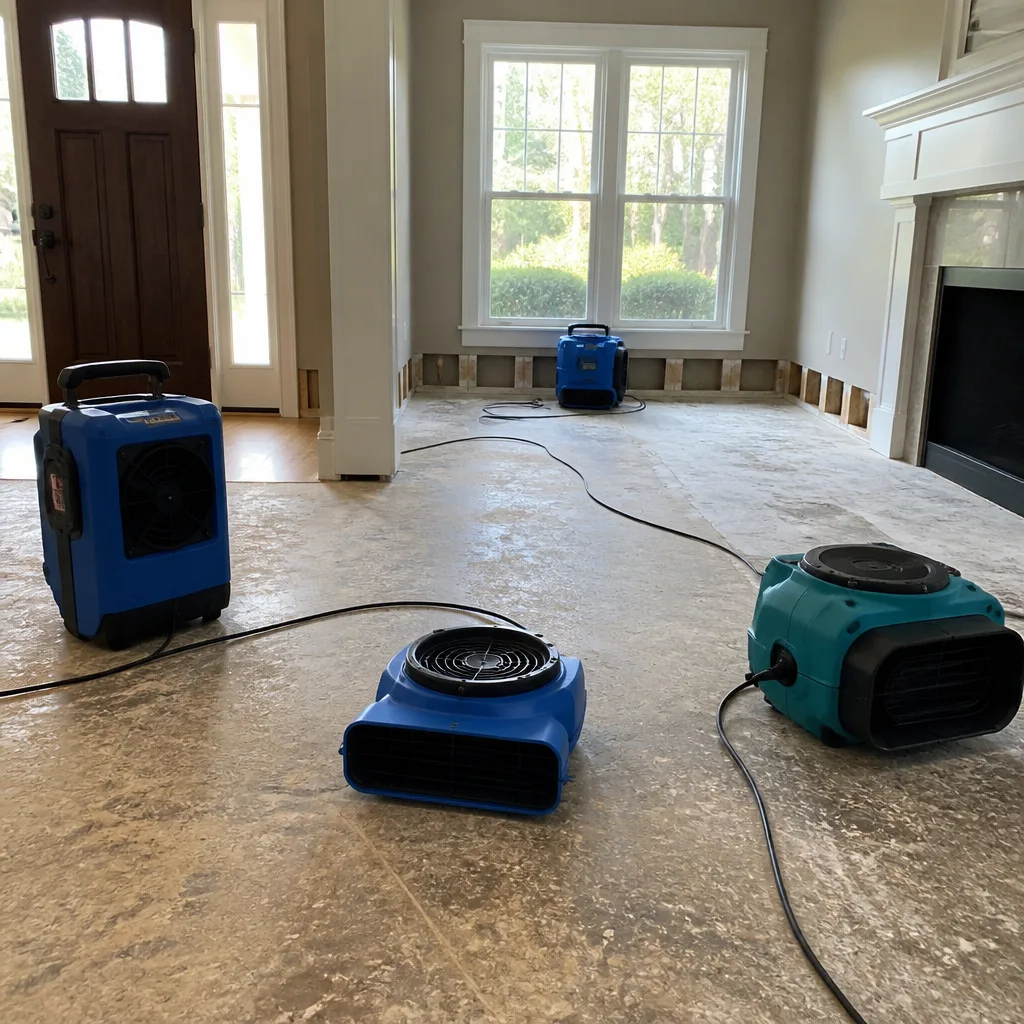

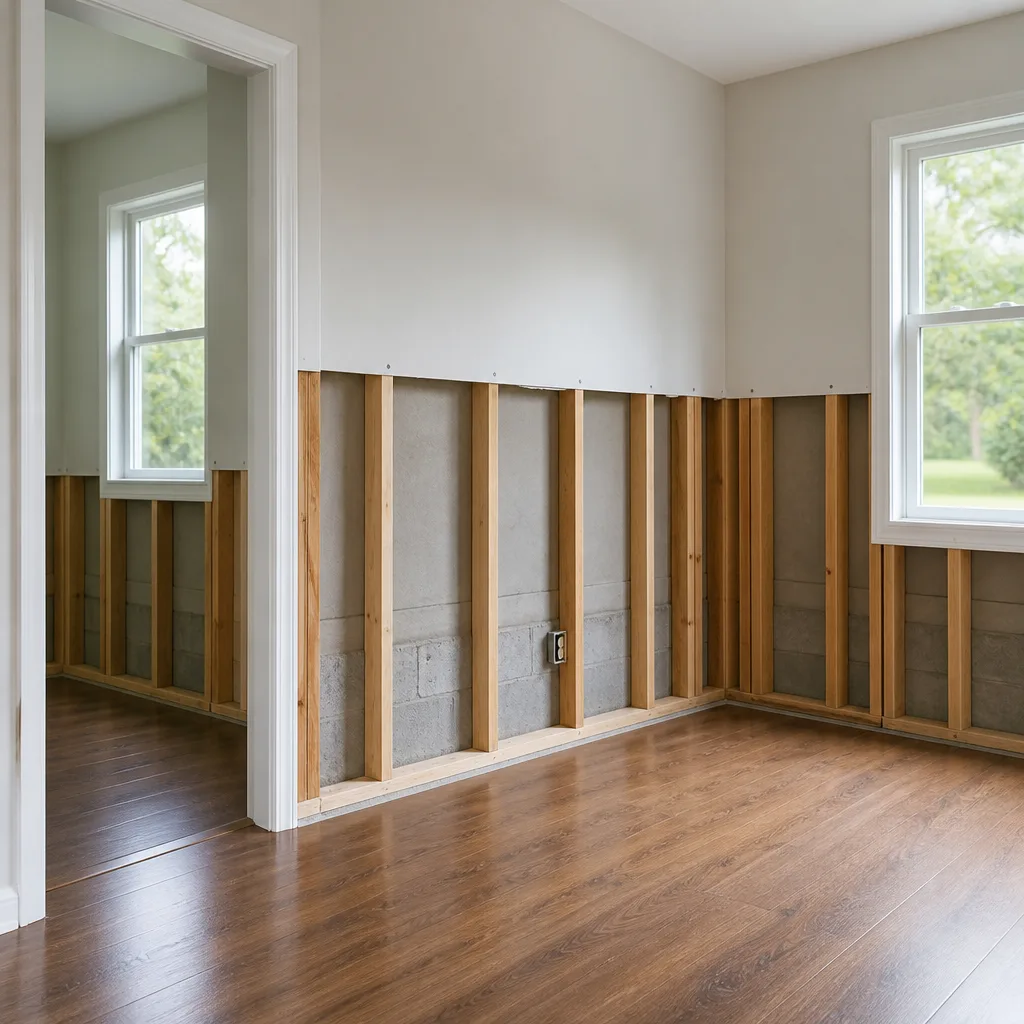

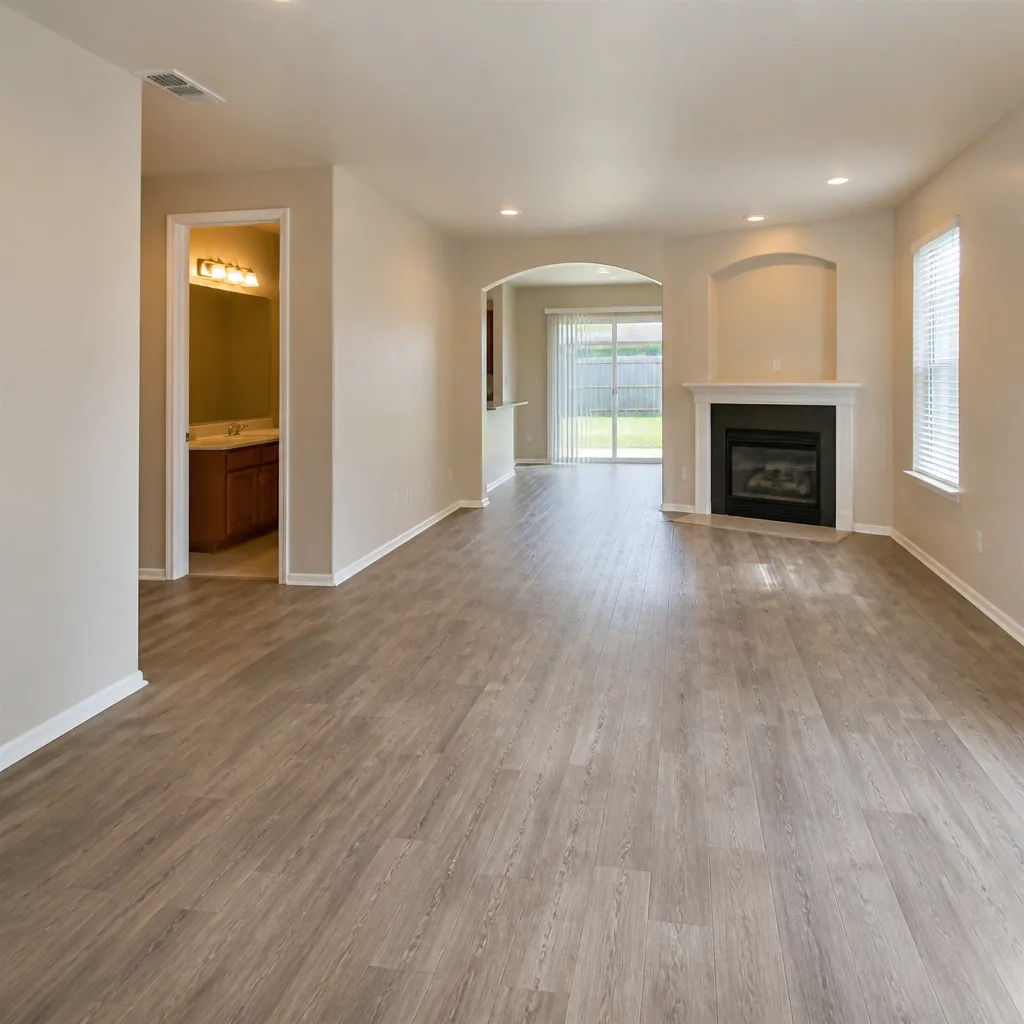
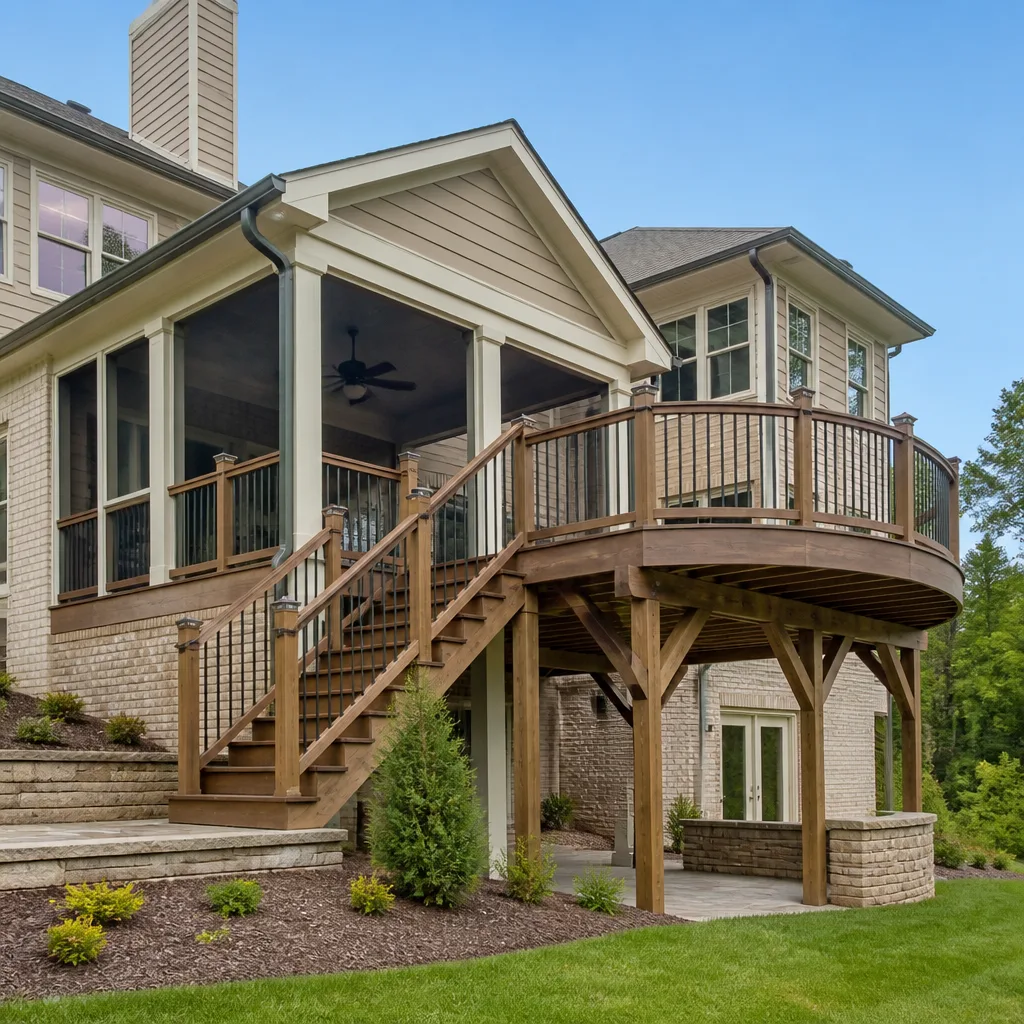
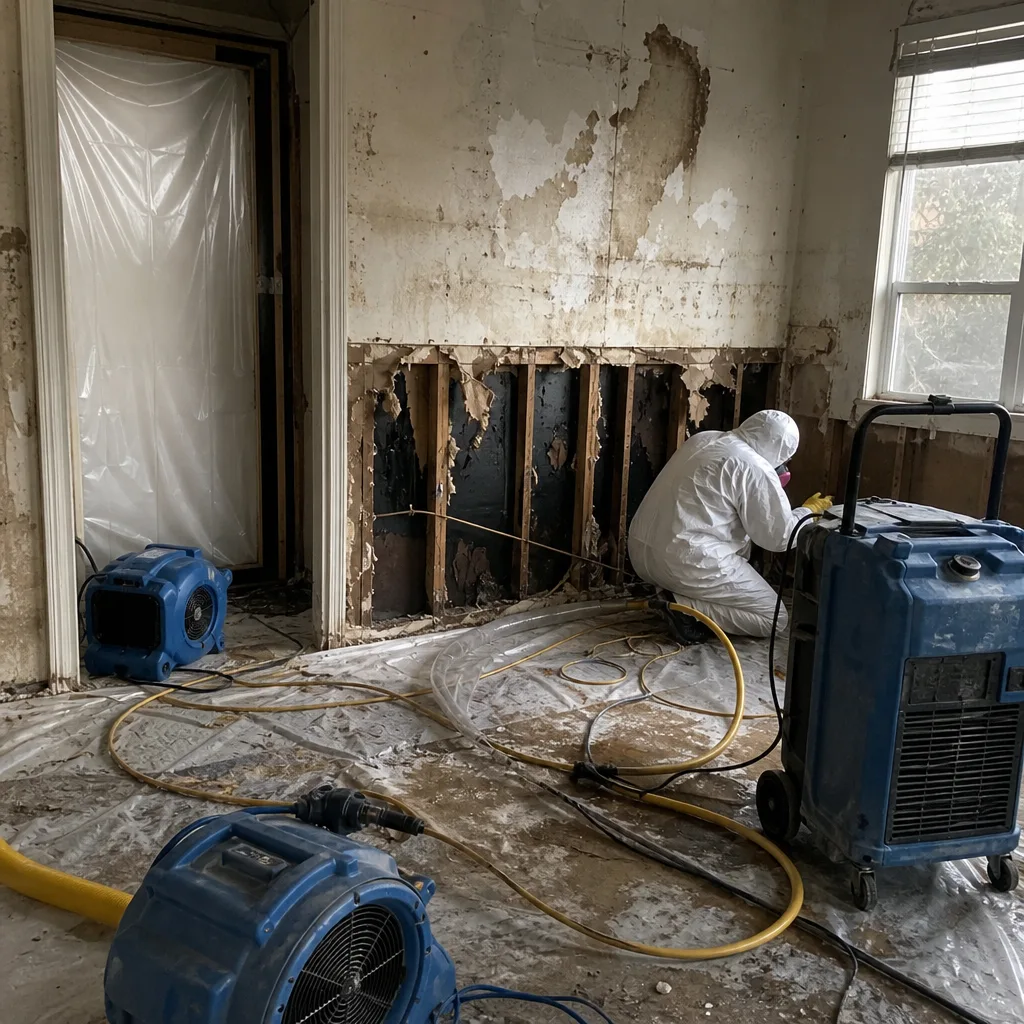 Before
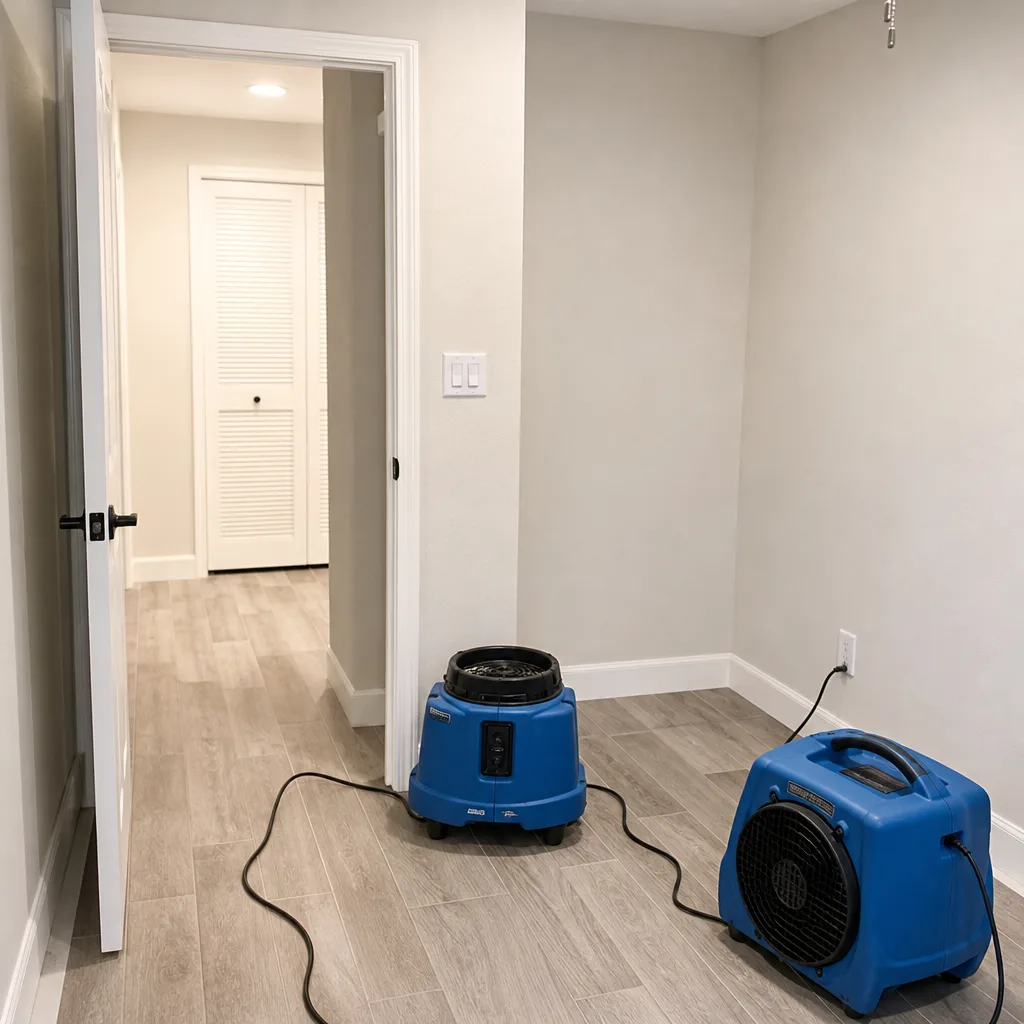 After
After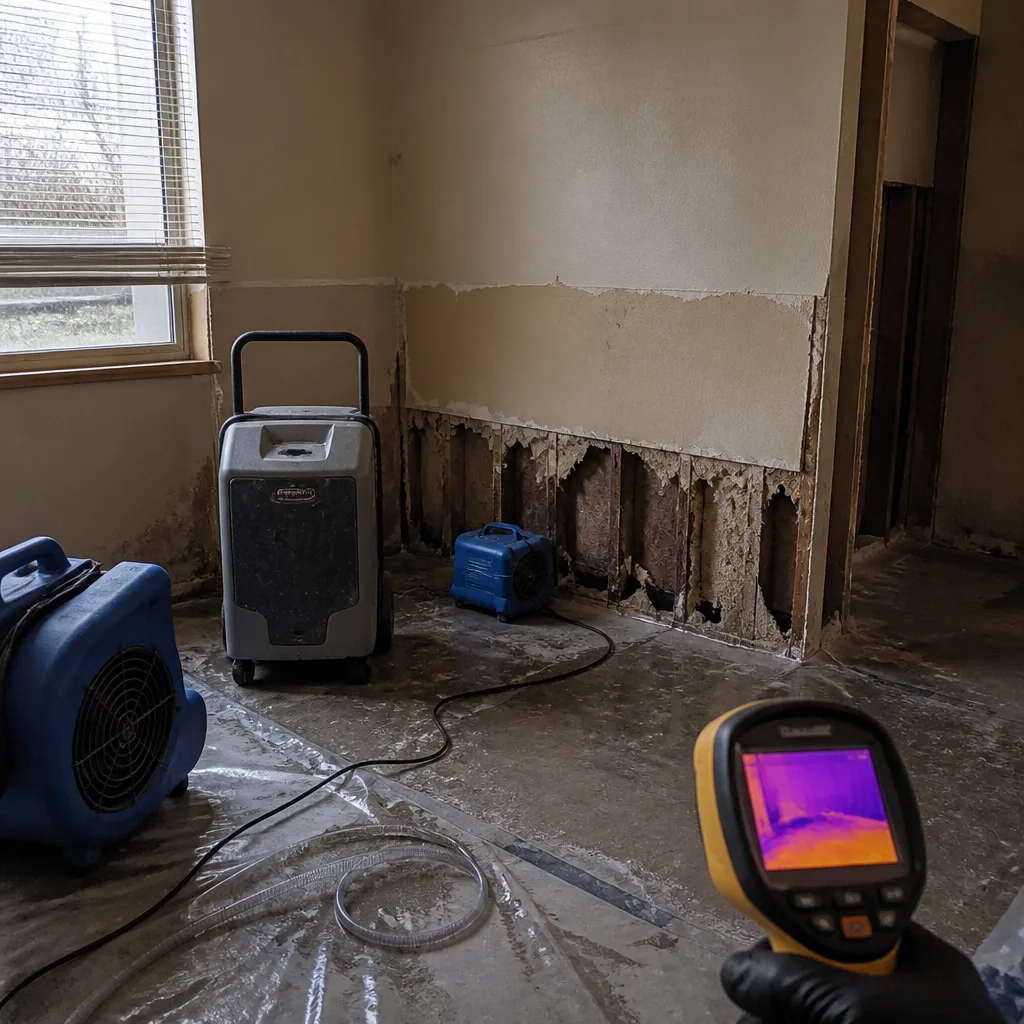 Before
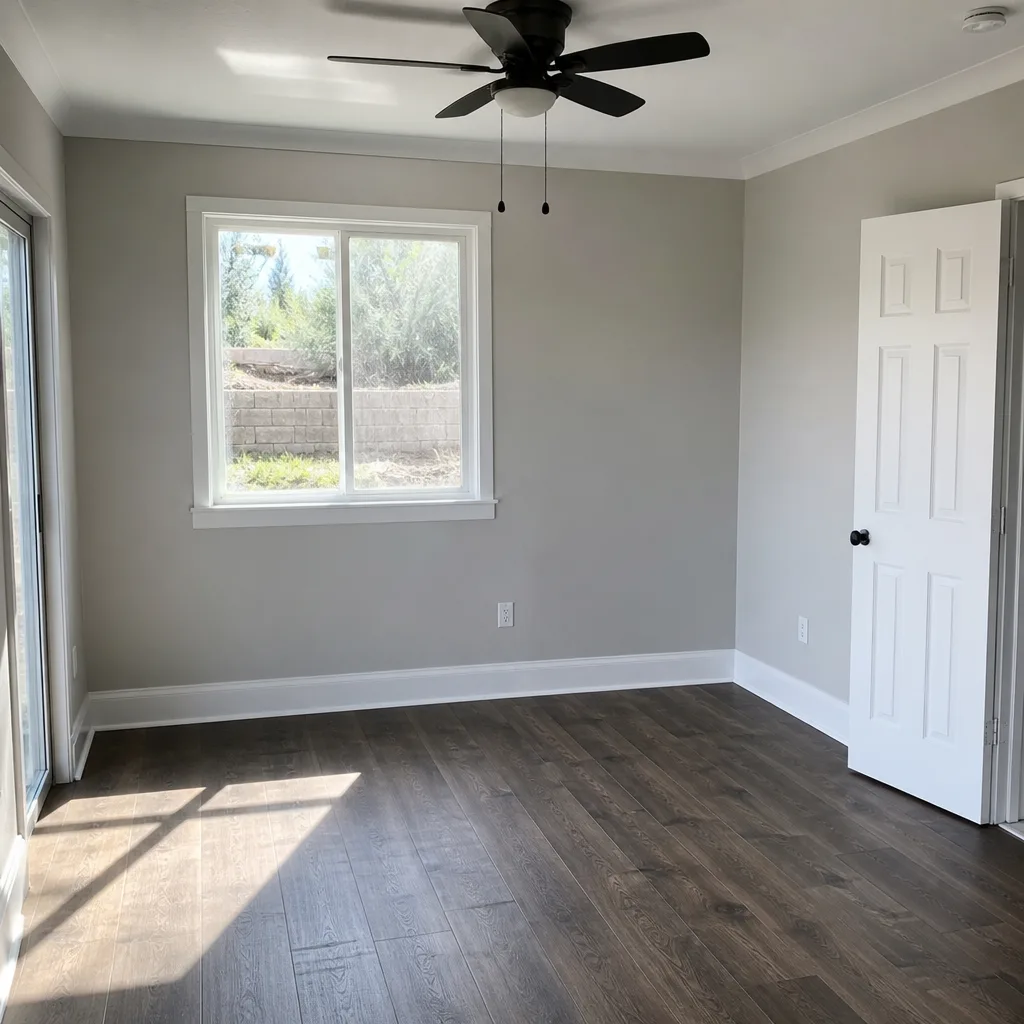 After
After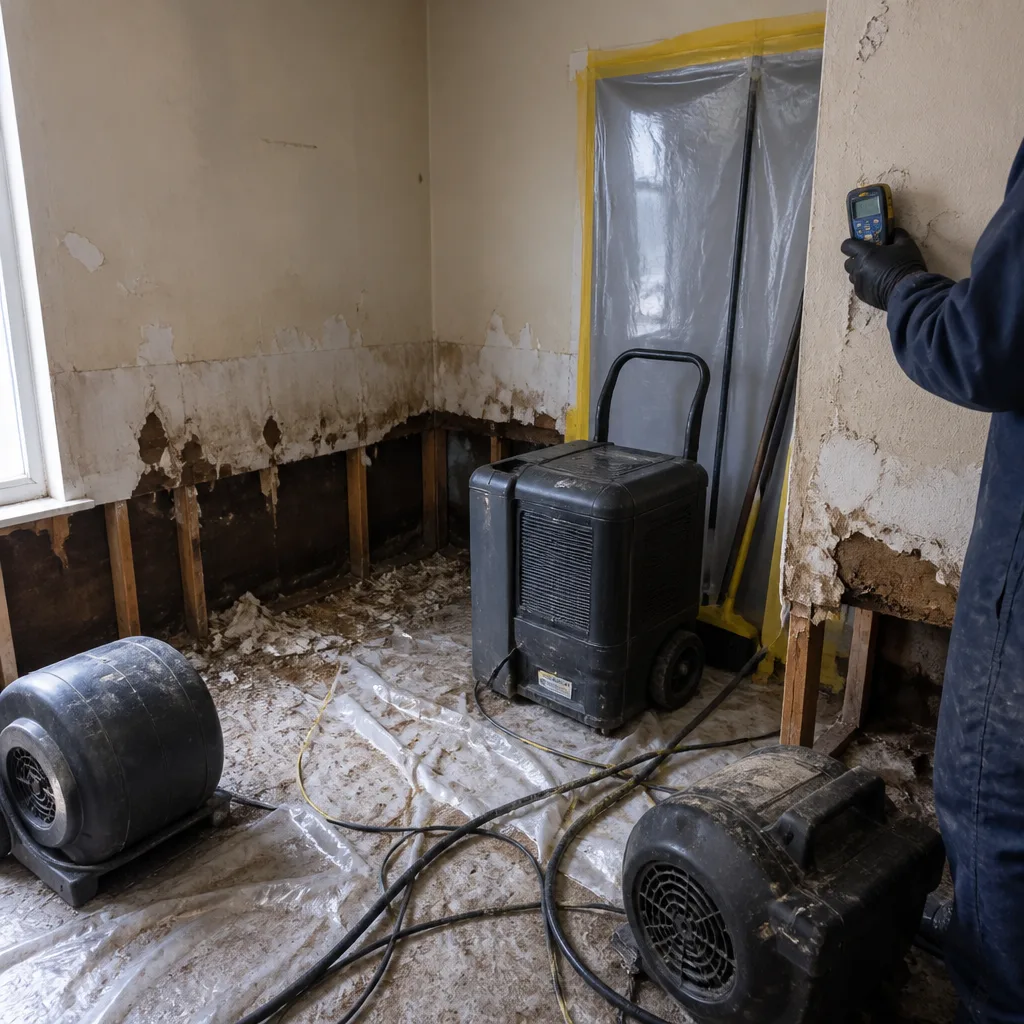 Before
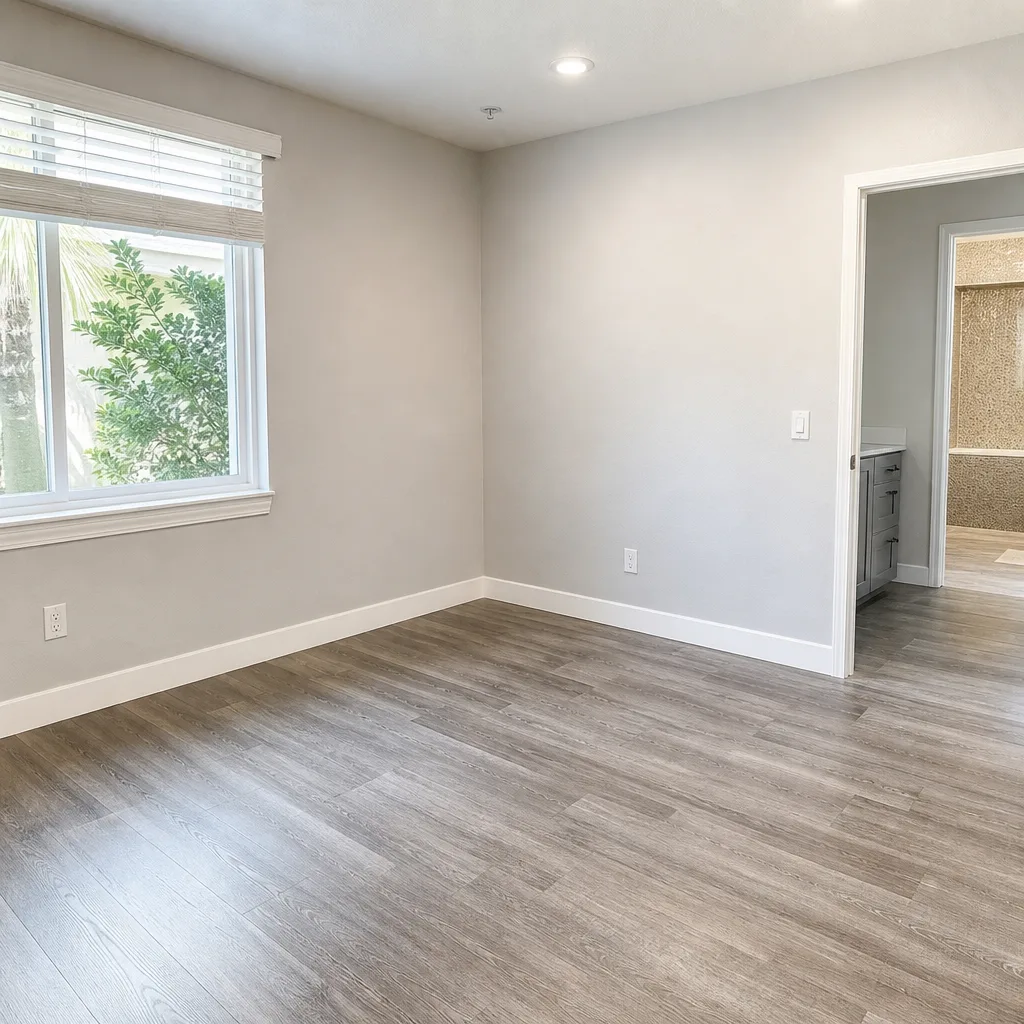 After
AfterSeasonal Damage Restoration Care for Vista: Year-Round Homeowner’s Guide
Vista averages only 12 inches of rain per year, yet water intrusion claims spike in March. The culprit isn’t rainfall. It’s marine-layer condensation, the slow, invisible moisture that builds inside wall cavities while homeowners sleep with windows cracked for cool air. We’ve documented this pattern across thousands of Vista properties since 2011: the damage that costs the most to repair rarely arrives in a dramatic storm. It accumulates across two distinct risk cycles unique to North San Diego County’s coastal-inland transition zone. This guide - alongside our Complete Guide to Damage Restoration in Vista - maps exactly what to check, measure, and record in each phase, with specific thresholds and inspection protocols you won’t find in generic four-season guides written for climates that don’t resemble Vista’s.
Quick Answer
Seasonal damage restoration care in Vista follows a Water Damage Restoration Maintenance Checklist for Vista Homeowners two-phase risk cycle: marine-layer moisture accumulation (March-May and September-October) and Santa Ana-driven drying and fire-ember exposure (June-August and November-January). Homeowners who maintain a dated seasonal inspection log with humidity readings, moisture content percentages, and photo documentation reduce their out-of-pocket restoration costs by catching intrusion before structural damage develops.
Table of Contents
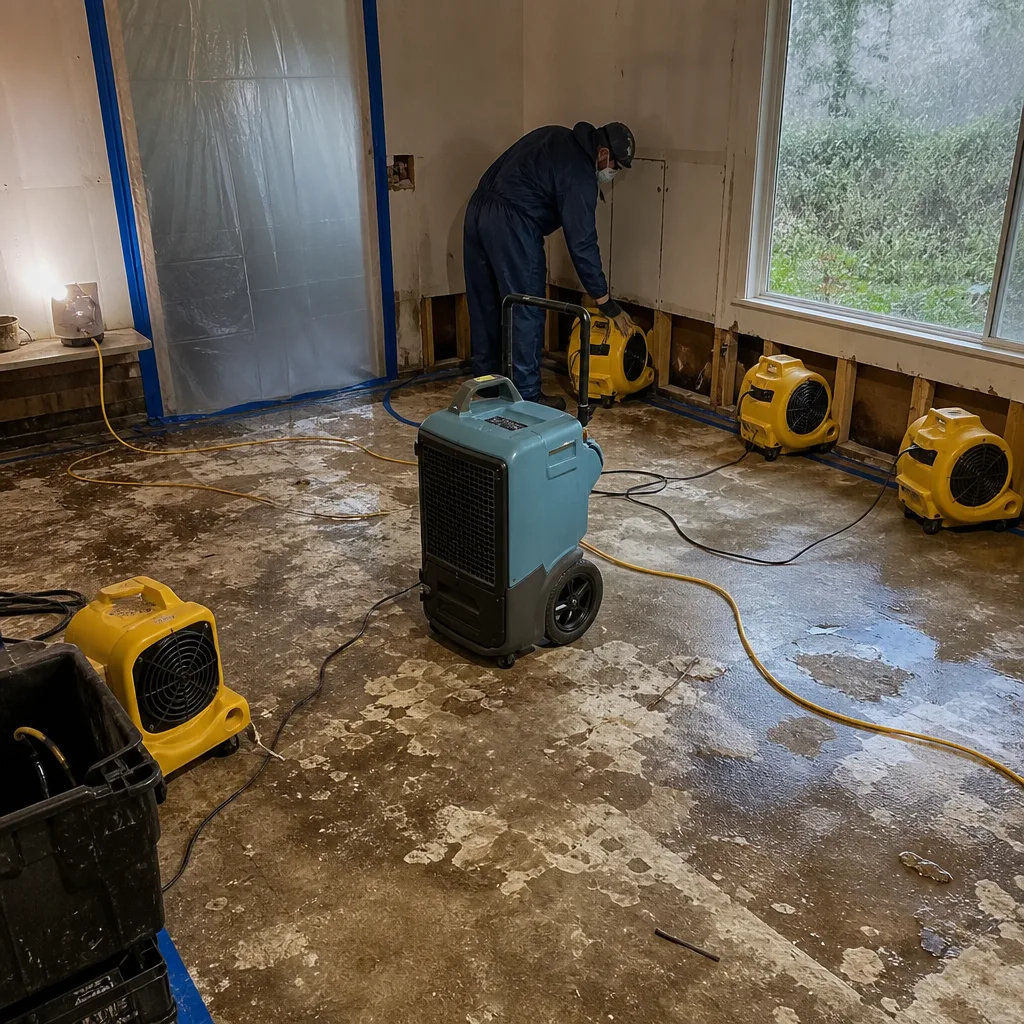
- March-May: Marine-Layer Condensation Protocol
- June-August: Dry-Phase Inspection for Stucco and HVAC Systems
- September-November: Santa Ana Preparation and Ember Defense
- December-February: Rain-Event Response Protocol
- How to Maintain a Dated Seasonal Inspection Log
- What Restoration Costs in Vista’s Market
- Common Mistakes to Avoid
- When to Call a Professional
- Frequently Asked Questions
 Before
 After
AfterMarch-May: Marine-Layer Condensation Protocol
The marine layer pushes inland through the Water Damage Restoration in Vista corridor on 60-70% of spring mornings, penetrating up to 15 miles from the coast. In Vista, that means neighborhoods from Shadow Ridge to Vista Village sit directly in the moisture path. The layer typically clears by 10 a.m., but the condensation it leaves inside walls doesn’t.
We’ve measured this repeatedly: an exterior wall cavity in Vista can hold 18-22% wood moisture content (MC) by late May even with no visible leaks. At 20% MC, mold colonization becomes likely within 72 hours if temperatures exceed 70°F. The threshold for structural concern is 16% MC sustained over two weeks.
Where to Take Readings
Pin-type moisture meters cost $40-80 and provide objective data that protects your claim if damage develops. Take readings at these specific locations:
- North-facing exterior walls, 12 inches above baseboard height. These receive least sun and dry slowest.
- Window sills on the west side, where afternoon sun creates thermal cycling that cracks caulk seals.
- Garage ceiling below any bathroom - the most common undetected leak source we find in Vista’s 1980s-2000s tract homes.
- Crawl space or slab perimeter, particularly where landscaping irrigation sprays within 18 inches of the foundation.
Acceptable Interior RH Thresholds for Vista’s Coastal Zone
General guidance suggests 30-50% relative humidity. In Vista’s spring marine-layer period, we set tighter targets:
- Interior RH above 55% for more than 48 hours: Deploy a dehumidifier and inspect for hidden moisture sources.
- Interior RH above 60%: Active drying protocol required; document readings daily.
- Wood moisture content above 16%: Professional assessment warranted; this is where our DryMark Restoration Vista home documentation process begins.
In the Breeze Hill and Rancho Minerva areas, we’ve found spring moisture problems concentrate in homes with original single-pane windows or missing weep-hole screens. The weep holes in vinyl window frames clog with dust and coastal salt residue, trapping condensation that should drain to the exterior. A pipe cleaner and 10 minutes in April prevents a $3,000-8,000 wall cavity drying job in July.
Document every reading with date, time, location, and meter model. This log becomes evidence of pre-loss condition if you file an insurance claim. Our Mold Remediation in Vista team regularly sees claims denied because the homeowner cannot prove when moisture conditions began.
June-August: Dry-Phase Inspection for Stucco and HVAC Systems
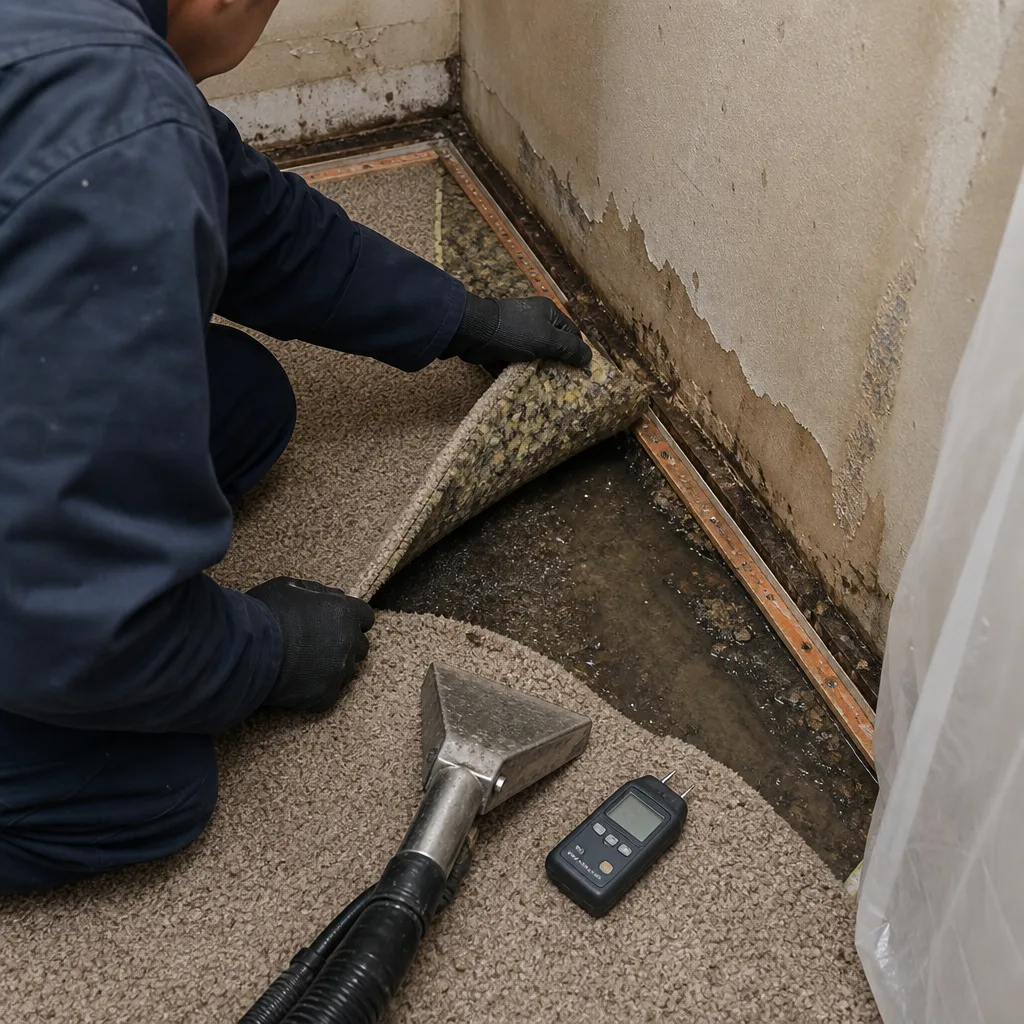
June brings the thermal shift. Marine-layer penetration drops to 20-30% of mornings, daytime highs climb into the 80s, and Vista’s built environment begins a four-month drying cycle that creates its own damage pattern.
Stucco, the dominant exterior cladding across Vista’s housing stock from the 1970s through 2000s, shrinks as it dries. Hairline cracks that were sealed by spring moisture open to 1/16 inch or wider. These aren’t cosmetic. They’re direct channels for the first September marine layer, and for wind-driven rain from December storms, to reach the weather-resistant barrier and begin degrading the paper layer behind the stucco.
Stucco Inspection Protocol
- Walk the perimeter on a dry morning in late June. Mark every crack wider than a credit card edge with painter’s tape.
- Return after the first 100°F day in July or August. Cracks that have widened by 50% or more need elastomeric patching, not standard caulk.
- Check crack orientation. Horizontal cracks above window headers or door frames indicate structural movement, not just drying shrinkage. These require engineering evaluation before weatherproofing.
We’ve documented this in the Melrose Drive corridor: homes with unsealed stucco cracks from June show 40% higher moisture content in October wall cavity readings compared to homes with proper summer maintenance.
HVAC Condensate Line Blockages
Vista’s cooling load peaks in August and September. A 3-ton central air conditioner produces 2-3 gallons of condensate daily. The PVC drain line runs to a floor sink, exterior stub, or sump pit. Algae and biofilm build fastest in the dry season when lines sit idle between cooling cycles.
Check the condensate line monthly from June through September. Pour a cup of white vinegar through the clean-out port. If drainage slows beyond 30 seconds for the cup to clear, the line needs mechanical cleaning. A blocked condensate line in August doesn’t just overflow a pan. It pressurizes and backs into the air handler, saturating the platform and adjacent framing. We’ve replaced 400 square feet of hardwood flooring in Vista homes from this single failure mode.
The secondary drain pan under the air handler has a float switch that should shut the system down if the primary line fails. Test it: lift the float manually with the system running. If the compressor doesn’t stop within 10 seconds, the switch is failed or bypassed. This is a $12 part that prevents a $15,000-25,000 water damage restoration.
September-November: Santa Ana Preparation and Ember Defense
The Santa Ana wind pattern defines Vista’s second risk cycle. These hot, dry northeasterly winds arrive episodically from September through January, with peak frequency in October and November. Sustained winds reach 25-40 mph with gusts to 60+ in exposed areas. Relative humidity plunges to 10% or lower. And critically for homeowners, the winds carry fire embers from wildland areas up to a mile ahead of an active flame front.
Fire & Smoke Damage Restoration in Vista demand spikes in these months. But the preparation window is August and September, before the first Santa Ana event.
Exterior Wood Moisture Content Readings Before Fire-Risk Season
Dry wood ignites faster and burns more intensely. The National Fire Protection Association identifies 12% MC as a critical threshold for elevated ignition risk. In Vista’s pre-Santa Ana period, we’ve measured fence boards, deck surfaces, and eave soffits at 8-10% MC - dangerously dry.
Take readings with a pin-type meter at:
- Deck railings and posts, south and west exposures
- Fence boards within 30 feet of structures
- Eave soffits and fascia, particularly where attic ventilation may have dried the wood from inside
Readings below 10% MC: pre-soak these areas 48 hours before predicted Santa Ana events, or apply a penetrating water repellent that raises surface moisture without creating a flammable oil residue.
Ember-Entry Point Inspection
- Attic vent screening: 1/8-inch mesh is minimum; 1/16-inch is better. We’ve found original 1/4-inch mesh in homes throughout the Vista Unified School District area, large enough for a burning pine needle to pass through.
- Soffit vent gaps: Any gap wider than 1/8 inch at soffit-to-fascia joints needs caulk or screen.
- Roof-to-wall intersections: Tile roof systems common in Vista have open gaps at valleys and ridges. Ember-resistant underlayment or mortar-filled gaps are required; missing mortar is a common find in our pre-season inspections.
- Exterior receptacles and hose bibs: Gaps around penetrations through stucco allow ember entry directly into wall cavities.
In 2017, the Lilac Fire burned 4,100 acres starting from a single ember contact with dry vegetation near Interstate 15, less than 10 miles from central Vista. The ember travel pattern that day matches what we prepare for: wind-driven ignition of structures that had no direct flame contact with wildland.
December-February: Rain-Event Response Protocol
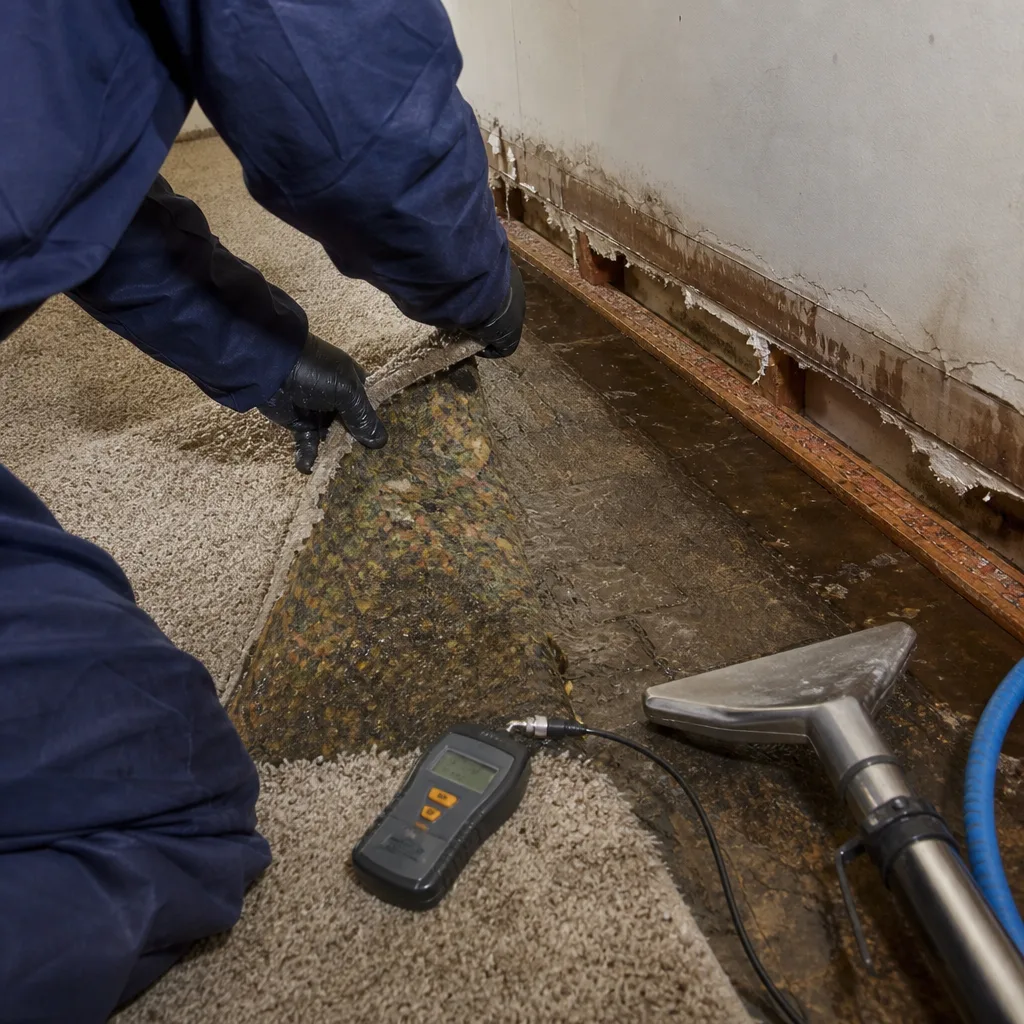
Vista’s rain arrives in concentrated events: 2-4 inch storms over 48-72 hours, separated by weeks of dry weather. The total annual average is low, but the intensity creates specific failure modes.
The critical window is 72 hours after rainfall ends. This is when undiscovered intrusion establishes the moisture baseline that drives mold growth. We’ve analyzed our drying logs from 12,000+ homes: properties where we began drying within 72 hours of water contact averaged 4.2 days to return to dry standard. Properties where intrusion went undiscovered for 7+ days averaged 11.5 days, with secondary mold remediation required in 34% of cases.
Post-Storm Inspection Checklist
- Attic access: Check for drip stains on rafters, particularly at valleys and penetrations. Use a flashlight; daylight inspection misses active drips that have temporarily stopped.
- Exterior walls at grade: Look for soil washout against the foundation that may have compromised the dampproofing or created a new path for subsurface water.
- Garage and exterior door thresholds: Wind-driven rain overwhelms standard thresholds. Check for standing water or dampness in the subfloor within 24 inches of the door.
- Window wells and sunken patios: These become collection points. Pump or drain within 6 hours of storm conclusion to prevent hydrostatic pressure on below-grade walls.
In the Shadowridge and Vista Valley areas, December 2021 storms produced widespread window well flooding in homes built on the area’s characteristic clay-heavy soils. The clay slows drainage; water that sits for 12 hours against a foundation wall will find any gap in the waterproofing.
Document everything with dated photos. If you discover moisture, the 72-hour clock is running. Our Water Damage Restoration in Vista process begins with a written scope and moisture mapping before any equipment is placed. Haven Standard, Clause 1: the price is delivered in writing before work starts, with no additions once the crew is inside.
How to Maintain a Dated Seasonal Inspection Log
A seasonal log transforms from homeowner chore to insurance asset when it’s structured for third-party review. Adjusters, engineers, and restoration contractors all read the same format. We’ve refined this across thousands of claims.
Required Log Elements
- Property address and policy number (top of each page, every entry)
- Date and time of inspection
- Weather conditions (temperature, recent rainfall, wind direction)
- Instrument readings with make/model of meter and calibration date
- Photo numbers cross-referenced to written notes
- Signatures of inspector and any witnesses
Sample Log Entry Structure
March 15, 2024, 7:30 a.m. / 58°F, marine layer present, no rain past 72 hours / Delmhorst BD-2100, calibrated 1/2024 / North wall master bedroom: 14.2% MC at 12″ height, 13.8% MC at 24″ height / Photos 2024-0315-01 through 03 / No action required, readings within normal range / A. Brennan, DryMark Restoration Vista
Store the log in cloud backup and physical duplicate. Email yourself a copy after each entry with a subject line that includes the date: this creates an immutable timestamp if claim disputes arise.
The log’s greatest value is pre-loss documentation. If your March readings show 14% MC and your October claim involves 28% MC with mold, the log establishes when conditions changed. Insurance coverage for long-term moisture damage is typically excluded; the log may distinguish sudden and accidental coverage from maintenance-related denial.
What Restoration Costs in Vista’s Market
We publish pricing - see our Damage Restoration Cost Breakdown: The Vista Homeowner’s Reference for 2026 - because Haven Standard, Clause 1 requires a written price before work begins. These ranges reflect our 2023-2024 Vista-area jobs, adjusted for current material and labor rates. Every job is scoped individually; these are planning figures, not quotes.
| Service Category | Typical Range | Scope Notes |
|---|---|---|
| Water damage inspection and moisture mapping | $150-$350 | Written report with photo documentation; credited toward work if we perform restoration |
| Category 1 water extraction and drying (clean water, limited area) | $1,800-$3,500 | Up to 200 sq ft affected, 3-4 day dry cycle, daily moisture logs |
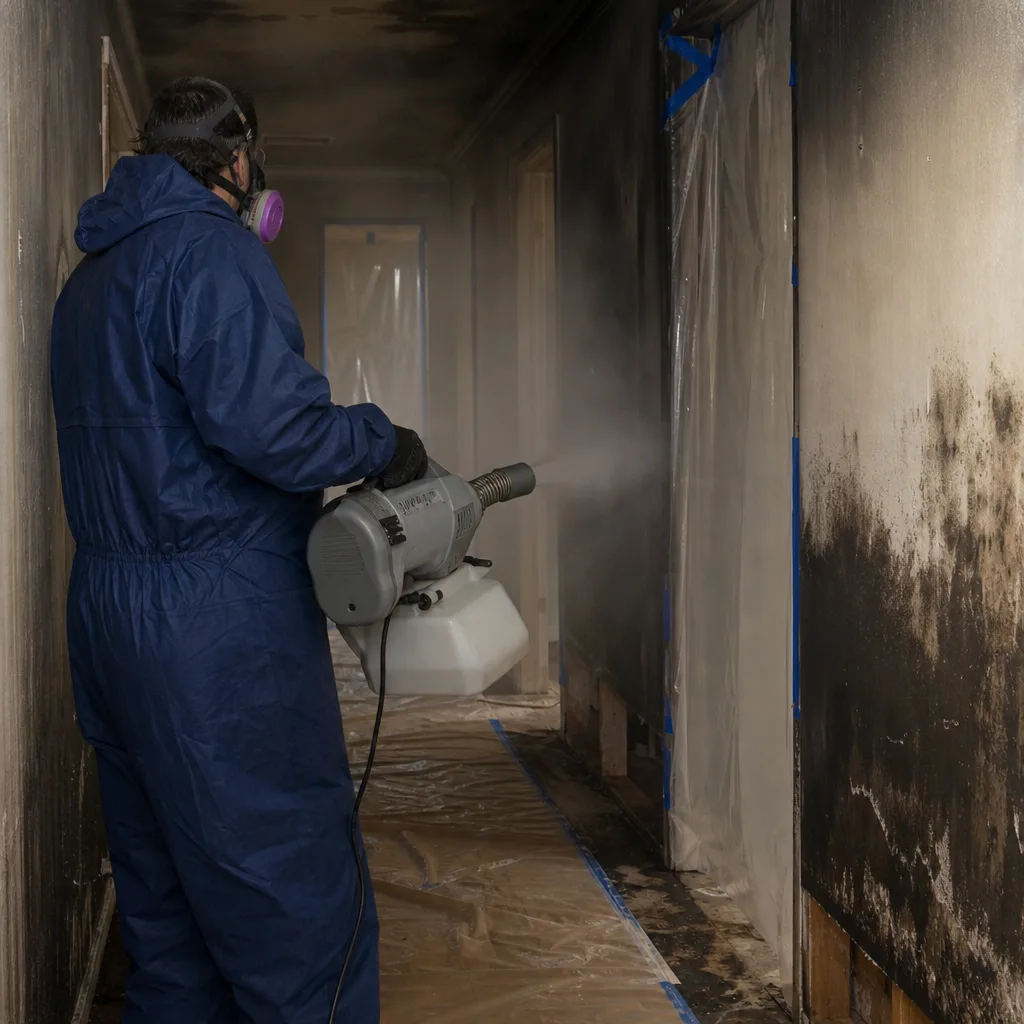
| Category 2/3 water damage with contamination | $4,500-$9,000 | Includes antimicrobial treatment, controlled demolition, HEPA air scrubbing |
| Wall cavity drying (Injectidry system) | $2,200-$4,800 | Minimal demolition, targeted drying, documented to IICRC S500 standard |
| Mold remediation, contained area | $3,000-$7,500 | Containment, negative air, removal, HEPA vacuum, clearance testing |
| Fire/smoke damage assessment and initial cleaning | $2,500-$5,500 | Soot removal, deodorization, content inventory for adjuster |
| Seasonal inspection with written report | $200-$400 | Full moisture mapping, photo record, written findings |
Our Free Second Opinion on Any Written Estimate applies to any competitor’s scope. Bring their written estimate and we’ll review it at no charge, line by line, against what our documentation shows your property actually needs.
Common Mistakes to Avoid
- Assuming low rainfall means low water risk. Vista’s marine layer delivers more moisture to wall cavities than many cities with triple the annual rainfall. The condensation cycle is invisible and continuous.
- Using a single humidity reading to declare a room “fine.” RH varies by height, time of day, and proximity to exterior walls. Take readings at multiple points and times.
- Sealing stucco cracks with standard latex caulk in summer. The caulk cures hard and cracks again with the first thermal cycle. Elastomeric patching compounds flex with substrate movement.
- Ignoring the HVAC condensate line until water appears. By the time water is visible, the secondary pan has failed or overflowed, and damage has spread to multiple layers.
- Waiting for visible mold before calling. Mold becomes visible at approximately 10 square feet of colony growth. At that point, remediation requires containment and negative air pressure. Earlier intervention is cleaning; later intervention is reconstruction.
- Failing to document pre-loss condition. Insurance adjusters default to “long-term maintenance issue” when moisture damage is discovered without documentation of when it began. Your seasonal log is your coverage defense.
- Using consumer-grade dehumidifiers for structural drying. A 50-pint residential unit manages a single room. Structural drying requires air movers and commercial dehumidifiers sized to the affected cubic footage, with psychrometric data tracking vapor pressure differential daily.
When to Call a Professional
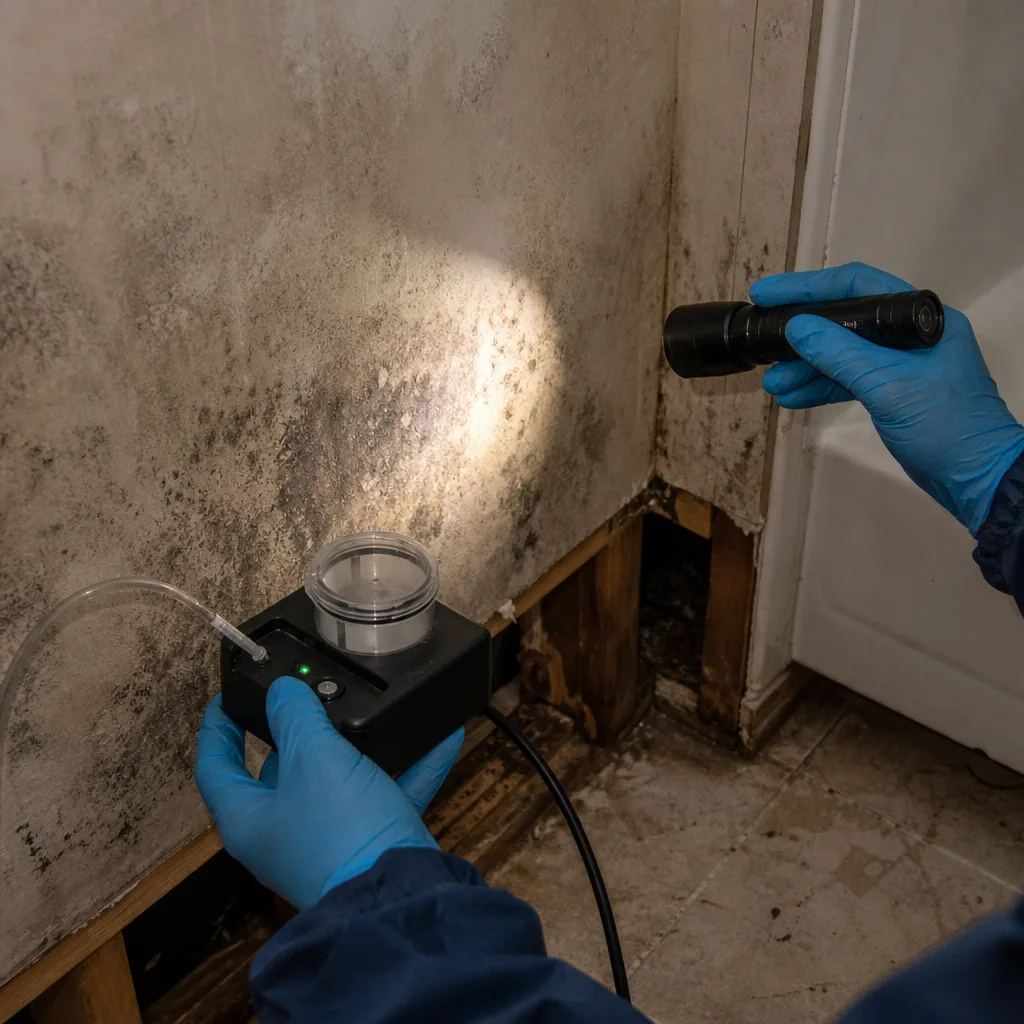
Call when readings exceed thresholds, when you discover active water, or when documentation requirements exceed your available time. Specific triggers: wood moisture content above 16% sustained over 48 hours; visible water staining that reappears after cleaning; musty odor with no visible source; any HVAC component with standing water; post-fire or post-storm damage where insurance involvement is likely.
Our process at DryMark Restoration Vista begins with documentation, not demolition. A technician arrives with a moisture meter, thermal imaging camera, and written scope pad. We take readings, photograph conditions, and deliver a written price before any work begins. Haven Standard, Clause 1. The photo record continues on every visit. The 365-Day Done Right Promise, backed by The Haven Standard, applies to every job.
DryMark Restoration Vista offers free estimates in Vista. Call (760) 539-8990. A live person answers, 24 hours a day, 7 days a week. No voicemail on emergency lines.
Frequently Asked Questions
Category 1 water extraction and drying for a limited area in Vista typically runs $1,800-$3,500, while contaminated water damage with demolition ranges $4,500-$9,000. Every job is scoped individually with a written price before work begins. Call (760) 539-8990 for an exact quote - estimates are free.
Standard policies typically exclude damage from continuous or repeated seepage, which is how insurers classify marine-layer condensation. Coverage applies when moisture intrusion is “sudden and accidental,” such as a failed pipe or storm damage. Your seasonal inspection log helps establish which category applies. We coordinate directly with adjusters and provide the documented photo records that support covered claims.
Live phone coverage is available 24 hours a day, 7 days a week with no voicemail on emergency lines. For active water damage, we dispatch for same-day assessment. For fire and storm damage, response time depends on event scale and safety clearance. Reconstruction and non-emergency work is scheduled and scoped in writing, not dispatched for immediate arrival.
Fans move air but don’t remove moisture from the air. Without dehumidification, you’re circulating wet air through dry areas, potentially spreading damage. Professional drying uses psychrometric data - temperature, relative humidity, and vapor pressure - to calculate exactly how much dehumidification capacity is needed for your specific cubic footage. Our equipment from Dri-Eaz, Phoenix, and Injectidry is documented to IICRC, RIA, and IFA standards, with daily moisture logs that become part of your insurance file.
Cleaning removes visible growth from accessible surfaces. Remediation addresses the source, contains the affected area with negative air pressure, removes contaminated materials, and verifies clearance through air sampling or surface testing. In Vista’s climate, we see cleaning attempts fail repeatedly because the underlying moisture source - often marine-layer condensation in wall cavities - was never identified. Remediation includes that identification and correction.
Yes. We provide photo-documented assessments, written scopes, and daily drying logs formatted for adjuster review. Our documentation-first approach was built by a former claims adjuster specifically to close the gap that delays or denies homeowner claims. Direct adjuster coordination is standard on every job, not an additional service.
The Bottom Line
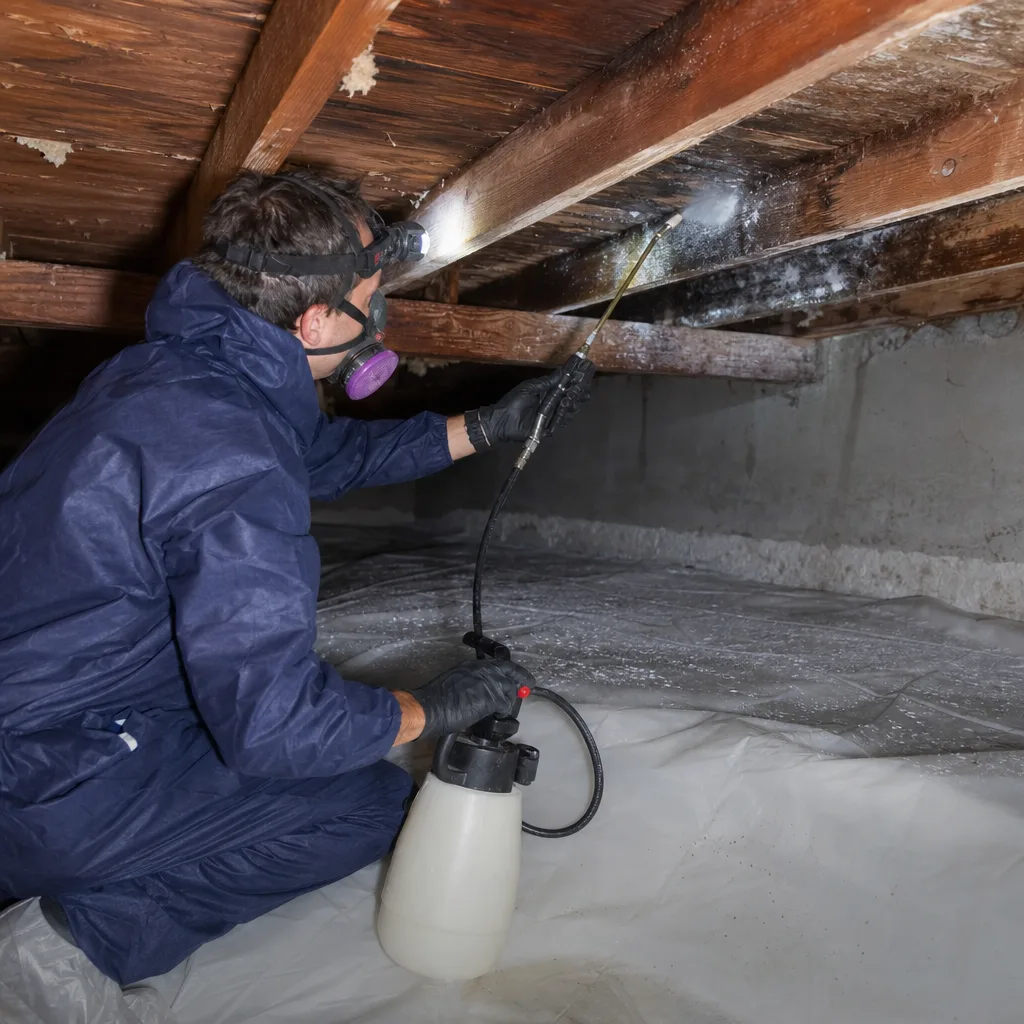
Vista’s climate demands a two-phase inspection protocol, not a four-season calendar. Marine-layer moisture accumulation in spring and fall requires humidity monitoring and wall cavity awareness. Santa Ana drying and fire-ember risk in late summer and autumn demands exterior wood moisture checks and ember-entry sealing. The December-February rain window is manageable only with a 72-hour post-storm response discipline. The homeowners who fare best maintain a dated seasonal log with instrument readings and photos - documentation that converts to insurance asset when damage occurs. For more guides & resources, visit our blog. The cost of prevention is measured in hours and a $40 moisture meter. The cost of delayed discovery is measured in thousands of dollars and weeks of displacement.
Written by Alicia Brennan, Owner at DryMark Restoration Vista, serving Vista since 2011.