
Last updated September 23, 2026
Free visual inspection and a written scope of work before any mitigation begins - photos, moisture readings, and drying logs go in your claim file
The scope we write is the scope we bill. Anything new gets shown to you, in writing, before we touch it.
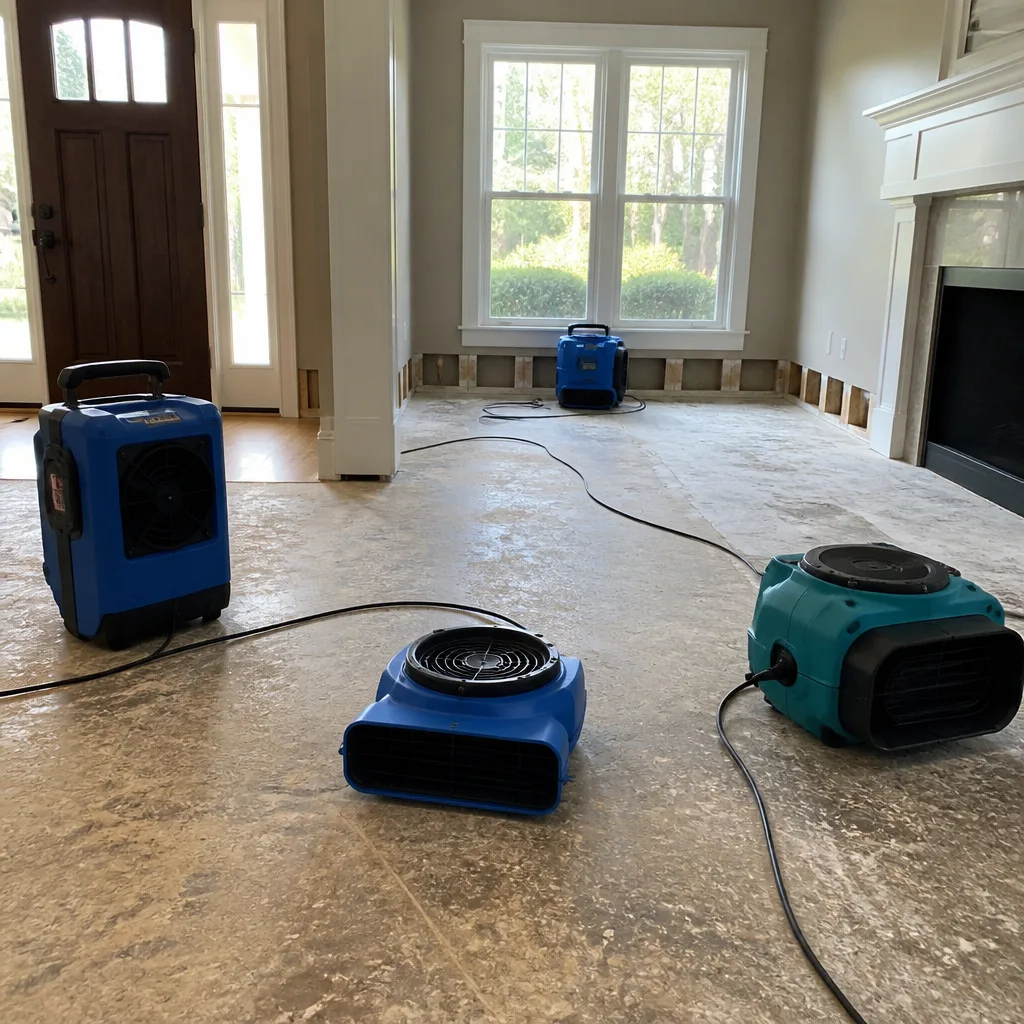

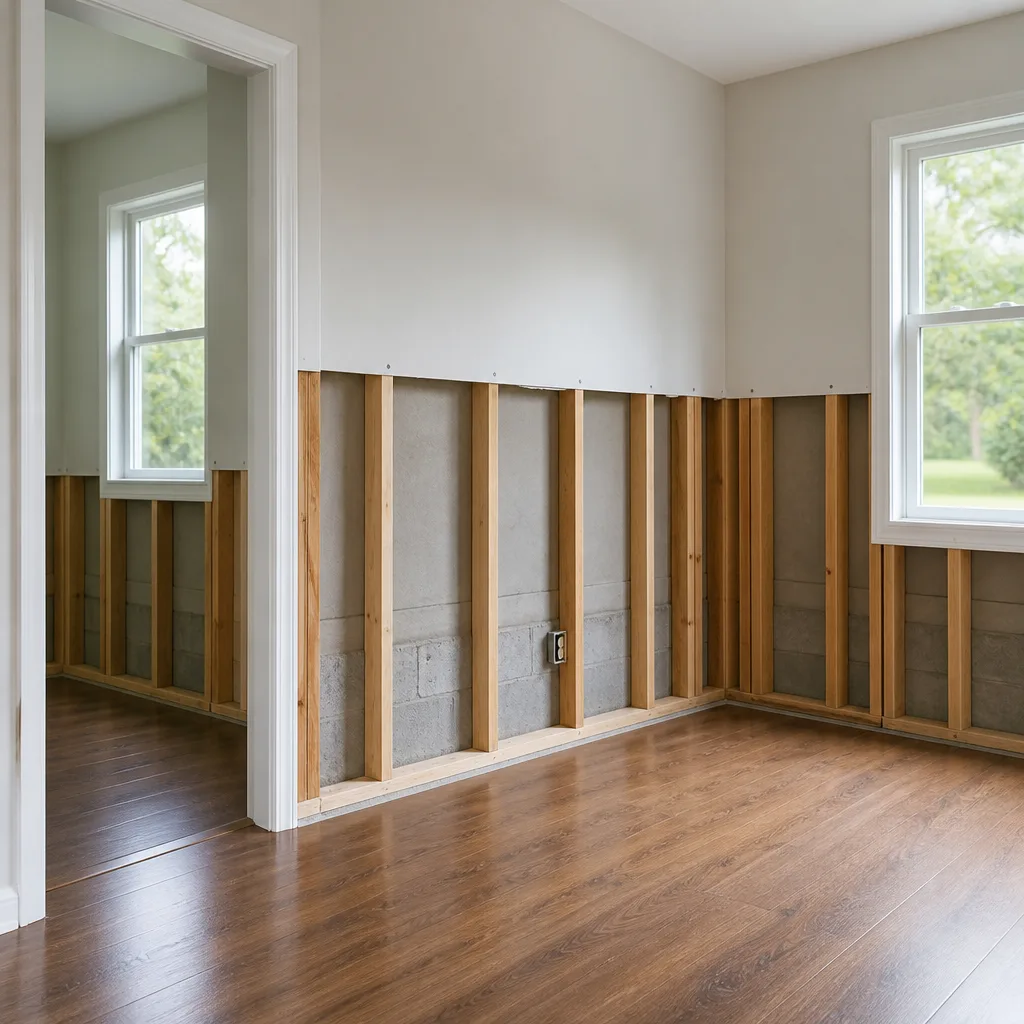

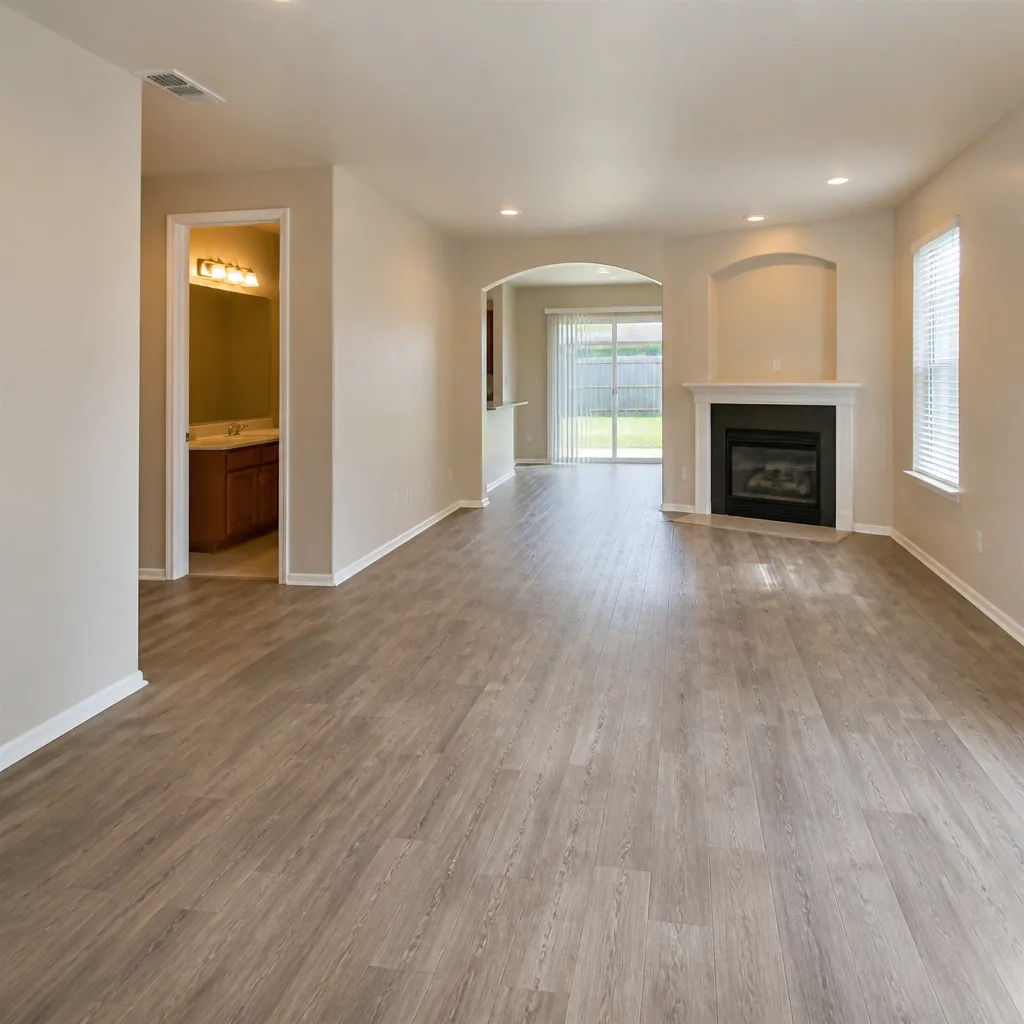
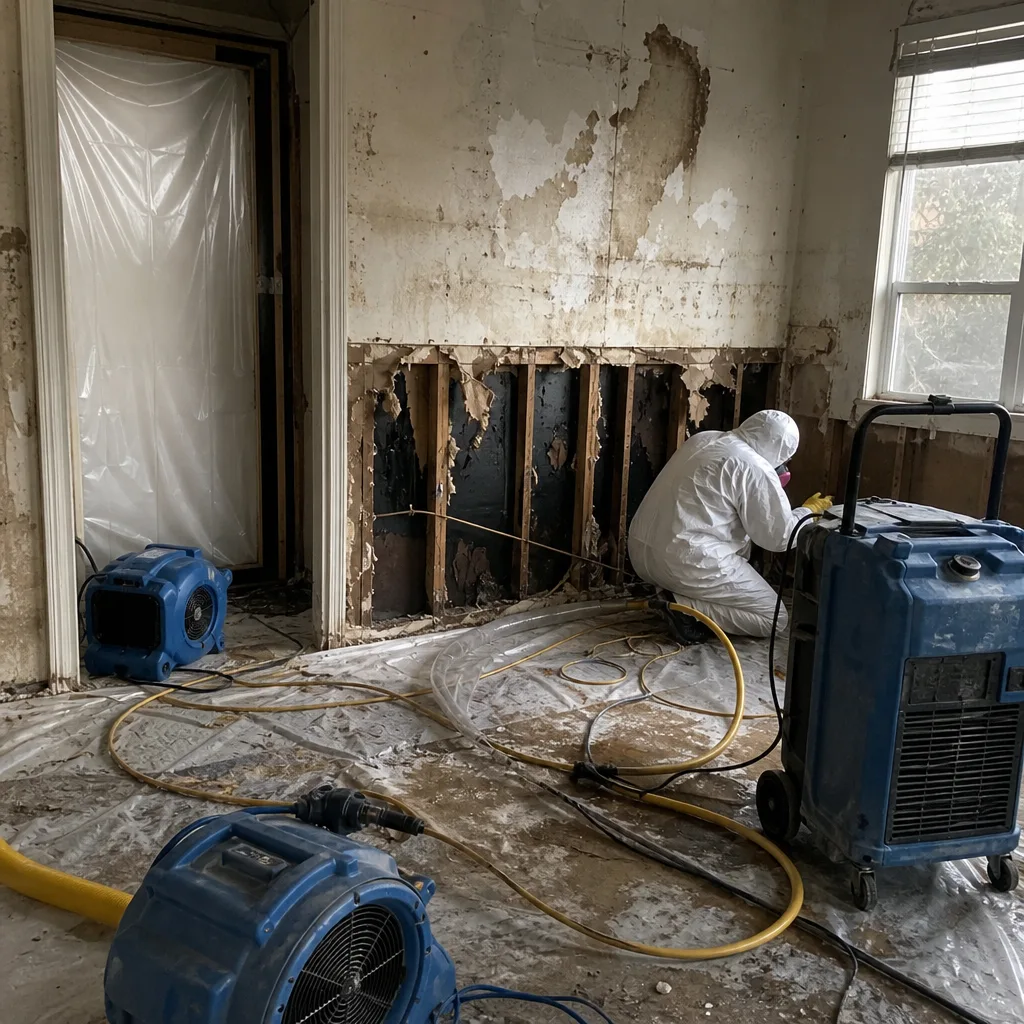 Before
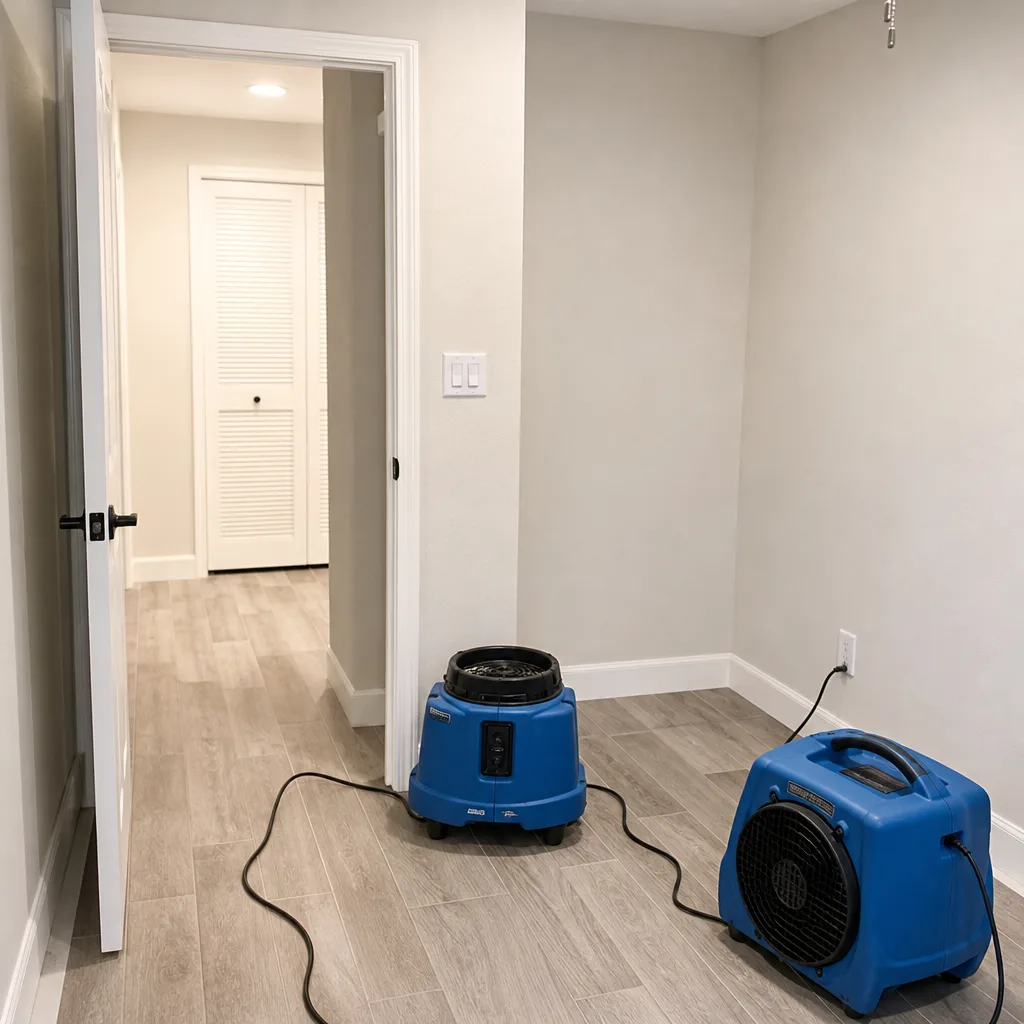 After
After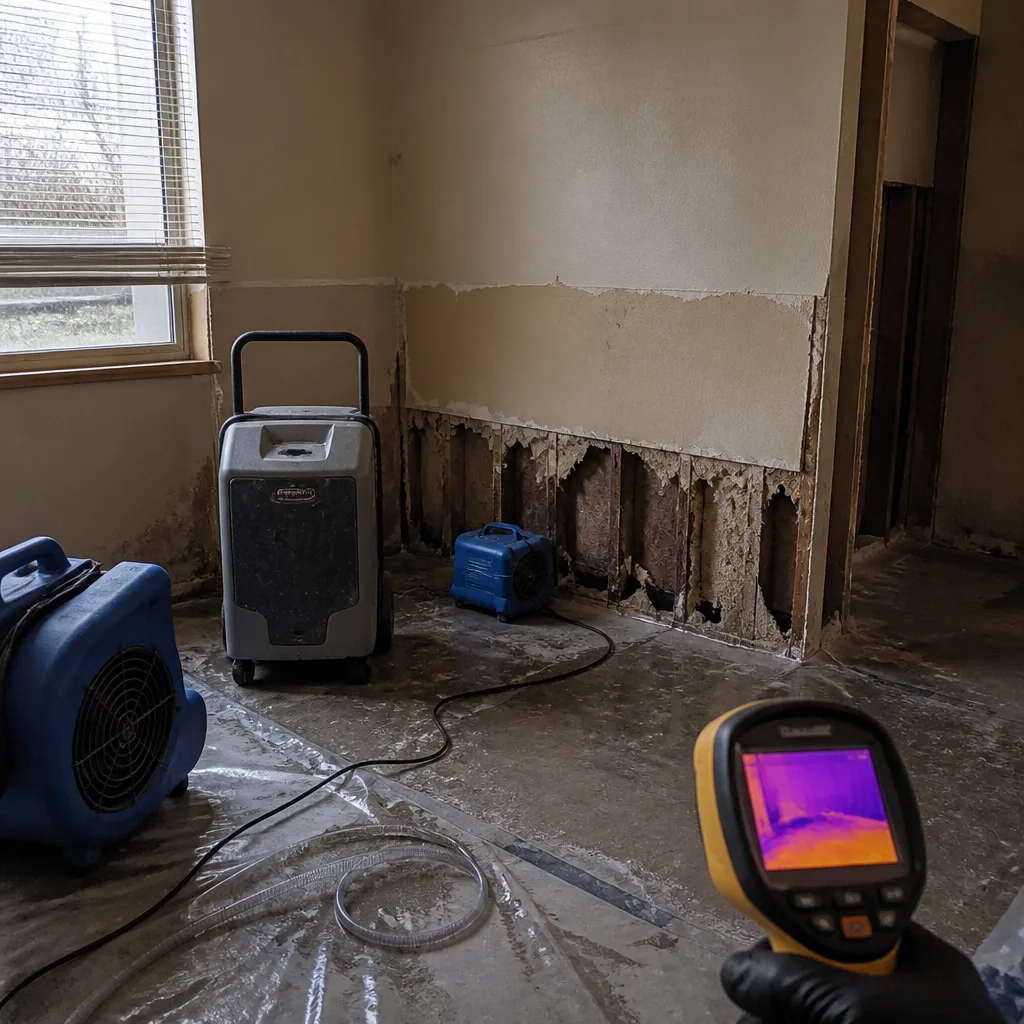 Before
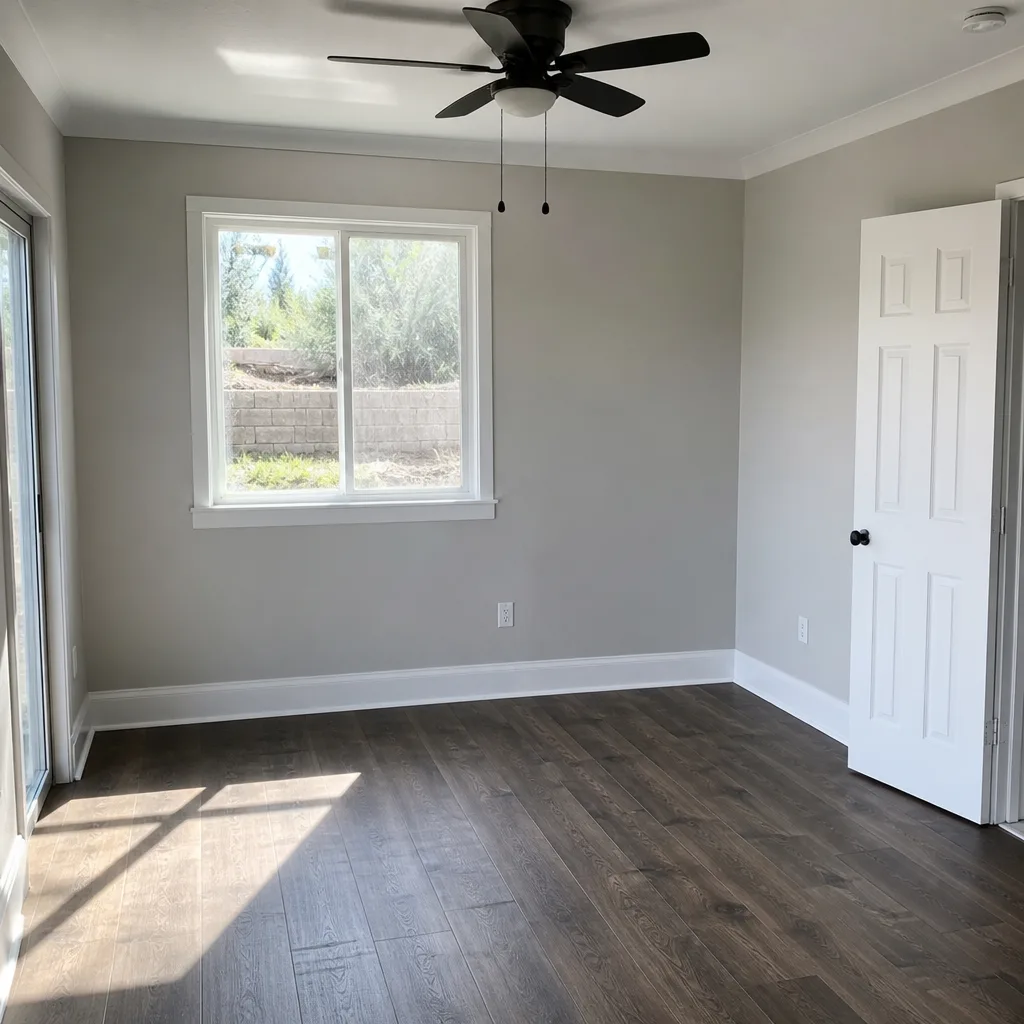 After
After Before
 After
AfterWater Damage Restoration Maintenance Checklist for Vista Homeowners
Here’s a number that stops homeowners cold: insurance adjusters deny roughly one in five water damage claims in California by arguing the loss was gradual, not sudden. In Vista, we’ve seen that denial rate climb higher when the adjuster pulls out the homeowner’s own maintenance records - or the lack of them - to prove the leak source had been deteriorating for months. The marine layer that blankets Vista’s inland valleys from April through June, the irrigation systems that run six nights a week in planned communities, and the Santa Ana wind-driven rain that finds every gap in flashing: these conditions don’t forgive a checklist that lives only in your head. This guide - alongside The Complete Guide to Damage Restoration in Vista - gives homeowners measurable thresholds to record, dated photo logs to keep, and a quarterly versus annual task split that makes the work sustainable. When damage happens, you’ll have a baseline the insurer can’t dispute.
Quick Answer
Our Water Damage Restoration services team recommends that a Vista homeowner’s maintenance checklist include quarterly inspections of water heater pressure relief valves (record test dates), under-sink humidity readings below 60% RH, and roof flashing gap measurements under 1/8 inch, plus annual crawl space moisture mapping during marine layer season and irrigation system pressure testing. Document every reading with dated photos stored in cloud backup. This pre-loss documentation turns “gradual damage” denials into payable claims.
Table of Contents
- Why Baseline Documentation Matters More Than Repairs
- Vista-Specific Water Risks Most Checklists Miss
- Quarterly Maintenance Tasks with Measurable Thresholds
- Annual Deep Inspection Tasks
- How to Build a Dated Photo Log That Insurers Accept
- Maintenance Failures That Void California Water Damage Coverage
- The Homeowner Documentation Toolkit: $80-$220 in Equipment
- Common Mistakes to Avoid
- When to Call a Professional
- Frequently Asked Questions
- The Bottom Line
 Before
 After
AfterWhy Baseline Documentation Matters More Than Repairs
We started DryMark Restoration Vista home services in 2011 after Alicia Brennan spent years as a claims adjuster watching homeowners lose tens of thousands in coverage because they couldn’t prove their loss was sudden. The adjuster’s job is to find evidence of gradual deterioration. Your job, before any water touches your subfloor, is to remove that evidence as a possibility.
A maintenance checklist without recorded numbers is just a diary. Insurers don’t dispute diaries; they dispute documentation. Here’s what changes the conversation:
- A photo of your water heater’s pressure relief valve dripping on March 15, 2024, with a moisture meter reading of 12% on the surrounding drywall, followed by a repair invoice dated March 16, 2024
- A crawl space humidity log showing 58% RH in October 2023, 61% RH in January 2024, and a remediation scope dated February 2024 when it hit 67%
- Roof flashing measurements documented at 1/16 inch gap in September 2023, with a roofer’s repair note at 3/32 inch in March 2024
Each of these creates a timeline. The insurer’s “gradual damage” argument requires proving the condition existed, unchanged, for an extended period. Your documented baseline makes that proof impossible.
The Water Damage Restoration in Vista market includes companies that will respond to emergencies, but response is only half the battle. The other half is the documentation that turns a restoration invoice into a payable claim. At Back to Dry, we’ve processed over 12,000 homes since 2011, and the difference between a fully covered loss and a denied claim often comes down to whether the homeowner had a dated photo of the condition six months prior.
Psychrometric data - the measurement of moisture in air and materials - sounds technical, but it’s simply the language insurers speak. When we document a job to IICRC and RIA standards, we’re producing the same data format that adjusters use to validate claims. Your maintenance checklist should generate the same data format, just earlier.
Vista-Specific Water Risks Most Checklists Miss
Generic water damage checklists fail Vista homeowners because they don’t account for three local conditions that drive moisture problems in ways that standard insurance policies rarely anticipate.
Marine layer condensation in crawl spaces and attics. From late April through early July, the cool, moist air that rolls inland from the Pacific meets warm roof decking and HVAC ductwork in Vista’s older neighborhoods near downtown and the Buena Vista basin. We’ve measured condensation rates in crawl spaces during marine layer season that exceed 0.5 gallons per day on uninsulated ductwork. This isn’t a leak. It’s atmospheric moisture finding a cold surface, and standard homeowner policies often exclude it unless you can prove a sudden mechanical failure triggered the condensation.
Your checklist threshold: crawl space relative humidity should not exceed 60% RH during marine layer season. Record weekly readings with a hygrometer placed 12 inches above the vapor barrier, not on the ground.
Irrigation overspray on stucco and foundation. Vista’s water districts encourage overnight irrigation, and the pressure in systems from the 1980s and 1990s housing stock often drifts above 60 PSI. Overspray hits stucco at velocities that drive water through hairline cracks, and foundation planters with daily watering create a permanent moisture gradient against stem walls. In the Shadowridge and Vista Valley areas, we’ve documented foundation moisture content readings of 22% in stucco that appeared dry to touch - well above the 16% threshold where mold colonization begins.
Your checklist threshold: irrigation pressure at the hose bib should read 40-50 PSI. Stucco moisture content at foundation level should not exceed 16% on a pin-type meter.
Santa Ana wind-driven rain entry points. The hot, dry Santa Ana winds of October through January seem like a drying force, but when they carry rain, they force water through gaps that calm-weather storms never reach. We’ve seen wind-driven rain enter through soffit vents in the Rancho Minerva and Melrose areas, travel along rafter bays, and saturate insulation before any ceiling stain appeared. The entry point is often a 1/8-inch gap in fascia flashing that would never leak in a vertical rain.
Your checklist threshold: all roof edge gaps should measure under 1/8 inch. Soffit vent screens should be intact with mesh no larger than 1/4 inch.
Quarterly Maintenance Tasks with Measurable Thresholds
Quarterly tasks are designed to catch drift - the slow change in a condition that, if unrecorded, becomes the insurer’s evidence of gradual damage. Each task below includes the tool, the threshold, and the documentation standard.
Task 1: Water Heater Pressure Relief Valve Test
Tool: Bucket, thermometer, phone camera.
Threshold: Valve must discharge water when lift lever is operated; discharge temperature should match tank temperature (typically 120-140°F).
Record: Date, discharge temperature, any dripping after valve reseats, photo of valve label showing BTU rating and manufacture date.
Water heaters in Vista’s harder water areas (east of Interstate 15, particularly in the unincorporated county pockets) accumulate calcium that seizes relief valves. A seized valve that fails during overpressure events causes tank rupture, and insurers routinely deny claims when the valve hasn’t been tested in 24 months or more.
Task 2: Under-Sink Humidity and Supply Line Inspection
Tool: Pinless moisture meter, humidity pen light.
Threshold: Cabinet base moisture content under 14%; relative humidity under 60% RH.
Record: Meter reading photo, supply line connection photo (date-stamped), any corrosion on braided stainless connectors.
Braided stainless supply lines have a 5-7 year service life in Vista’s chloride-influenced water, shorter than the national average. The 2015-2020 housing stock in developments near Breeze Hill and Palomar College used these lines extensively. Record the installation date on your photo; if unknown, treat as end-of-life and replace.
Task 3: HVAC Condensate Line Flow Test
Tool: Cup, timer.
Threshold: Condensate must flow freely from the secondary port when primary is blocked; flow rate should exceed 1 cup per 2 minutes during cooling operation.
Record: Video of flow test, photo of drain pan condition, any rust or biofilm accumulation.
Vista’s cooling season runs May through October, and condensate production peaks during marine layer humidity events when systems work hardest to dehumidify. A blocked line in August can produce 20+ gallons of overflow in 24 hours.
Task 4: Irrigation System Pressure and Coverage Check
Tool: Hose-bib pressure gauge ($12-$18), catch cups or tuna cans.
Threshold: Pressure 40-50 PSI at hose bib; coverage uniformity coefficient above 0.7 (measured by equal water depth in all catch cups).
Record: Pressure reading photo, coverage map sketch with overspray zones marked, any rotor head replacement dates.
Task 5: Exterior Door and Window Seal Gap Measurement
Tool: Feeler gauge set ($8-$15).
Threshold: No continuous gap exceeding 1/16 inch at any point in weatherstrip contact.
Record: Photo of gauge in widest gap, door/window identifier (e.g., “Master bedroom west slider”).
Santa Ana wind-driven rain exploits gaps that passive weather never tests. The 1/16-inch threshold comes from ASTM E330 testing standards for water penetration resistance.
Annual Deep Inspection Tasks
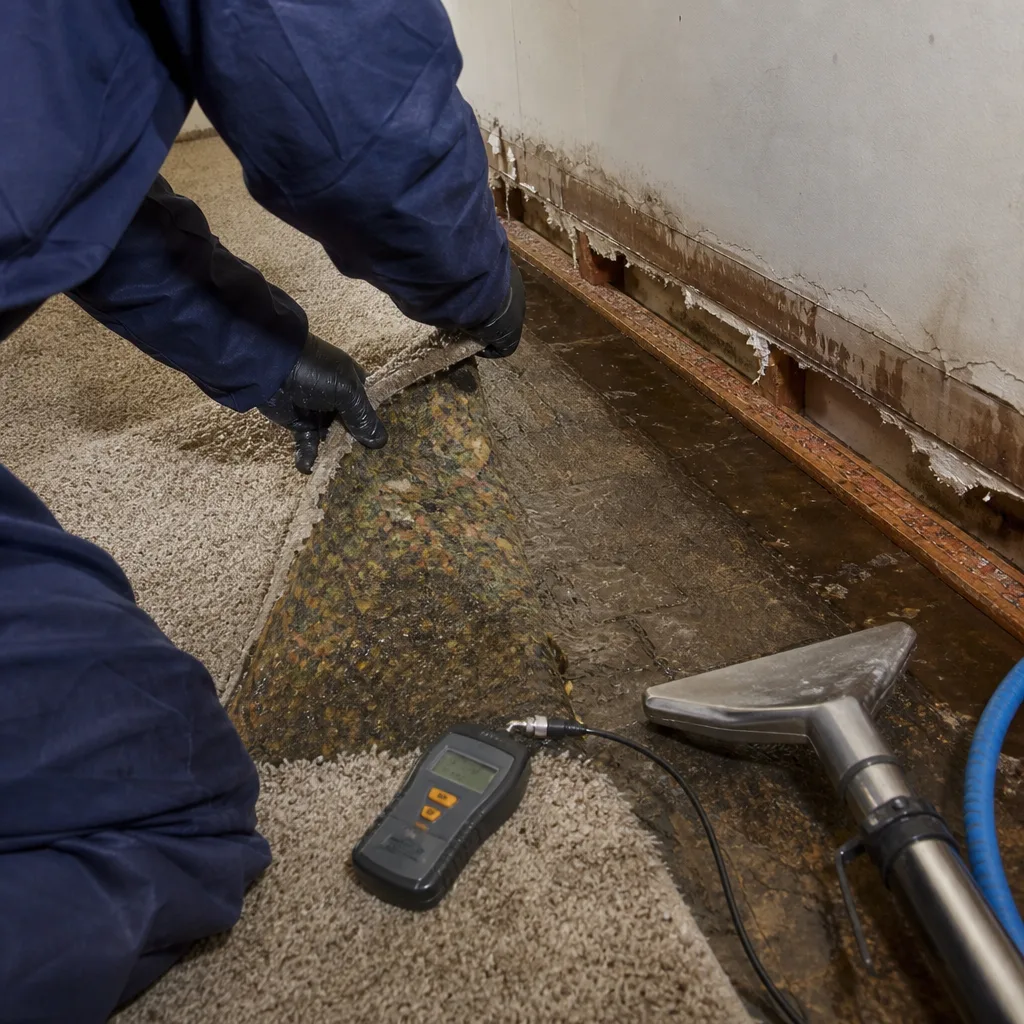
Annual tasks require more time and often professional assistance, but they establish the structural baseline that quarterly tasks reference.
Task 1: Crawl Space Moisture Mapping During Peak Marine Layer Season
Schedule this for the third week of May, when marine layer frequency peaks in Vista. Map moisture content at 10-foot intervals on a grid drawn to scale. Record:
- Wood moisture content at each grid point (threshold: under 19% for structural members, under 16% for subfloor)
- Relative humidity at three heights: ground level, mid-crawl, and joist level (threshold: under 60% RH at all points)
- Vapor barrier condition: intact, sealed at seams, extending to foundation walls
- Any standing water, with photo and dimensional estimate
We recommend professional assistance for this task. Mold Remediation in Vista often begins with moisture mapping that homeowners delayed. The cost of professional mapping ($180-$340 in the Vista market) is recoverable against the value of baseline documentation.
Task 2: Roof Inspection with Flashing Gap Measurement
Engage a licensed roofing contractor for this inspection. Your documentation responsibility is to record:
- Flashing gap measurements at all penetrations (chimney, vents, skylights) using a feeler gauge - threshold under 1/8 inch
- Shingle condition rating: good, fair, replace-soon, with photo of worst area
- Gutter flow test during rain or with hose: no overflow, no standing water in downspout connections
- Attic moisture content at three points: ridge, mid-span, eave - threshold under 16%
Task 3: Whole-House Water Pressure Test
Tool: Pressure gauge with lazy hand (records peak pressure).
Threshold: Static pressure 50-60 PSI; no pressure spike above 80 PSI when fixtures close rapidly (water hammer test).
Record: Static reading, peak reading, any pressure regulator model and installation date.
Vista’s municipal pressure zones vary significantly. Areas served by the Vista Irrigation District can see static pressure above 75 PSI, which accelerates supply line fatigue. A pressure regulator installed but never tested provides no documentation value.
Task 4: Appliance Supply Line and Drain Hose Replacement Schedule
Record manufacture dates and planned replacement dates for:
- Washing machine rubber hoses: replace at 3 years, regardless of appearance
- Dishwasher braided supply: replace at 5 years
- Refrigerator icemaker supply: replace at 5 years, or immediately if plastic (not braided)
- Garbage disposal drain connection: inspect annually for corrosion at the dishwasher inlet port
How to Build a Dated Photo Log That Insurers Accept
Insurers reject photo logs for three reasons: no date verification, no scale reference, no location identifier. Here’s the standard that holds up in claim disputes.
The Three-Element Rule
Every maintenance photo must contain:
- Date verification: Use your phone’s automatic timestamp, or include that day’s newspaper or a phone showing the date in the frame. Cloud storage with automatic date metadata (Google Photos, iCloud) provides additional verification.
- Scale reference: Include a ruler, coin, or known-size object for gap measurements. For moisture readings, photograph the meter display with the probe in contact with the material.
- Location identifier: Verbally state or write on paper visible in the frame: “Master bath sink cabinet, 2847 Foothill Drive, Vista, CA.” Not “master bath.” The insurer needs to match this to the loss location.
Storage Protocol
Upload to cloud storage within 24 hours. Local-only storage fails when the device is damaged in the same event that causes the loss. We recommend more guides & resources on documentation best practices:
- Primary: Google Photos or iCloud with automatic backup
- Secondary: Email to a dedicated address (e.g., homemaintenance@yourdomain.com) that creates a dated archive
- Tertiary: Annual export to external hard drive stored offsite
The Written Companion
Photos without narrative are interpretable. For each annual inspection, write a one-page summary: date, weather conditions, inspector name, tools used, findings with reference to photo file names. This is the document your public adjuster or attorney will use.
At Back to Dry, our documented photo record on every visit is included as a standard deliverable, never an upsell. Haven Standard, Clause 1: a written price before work begins, every time, with no exceptions. The same standard applies to your maintenance documentation.
Maintenance Failures That Void California Water Damage Coverage
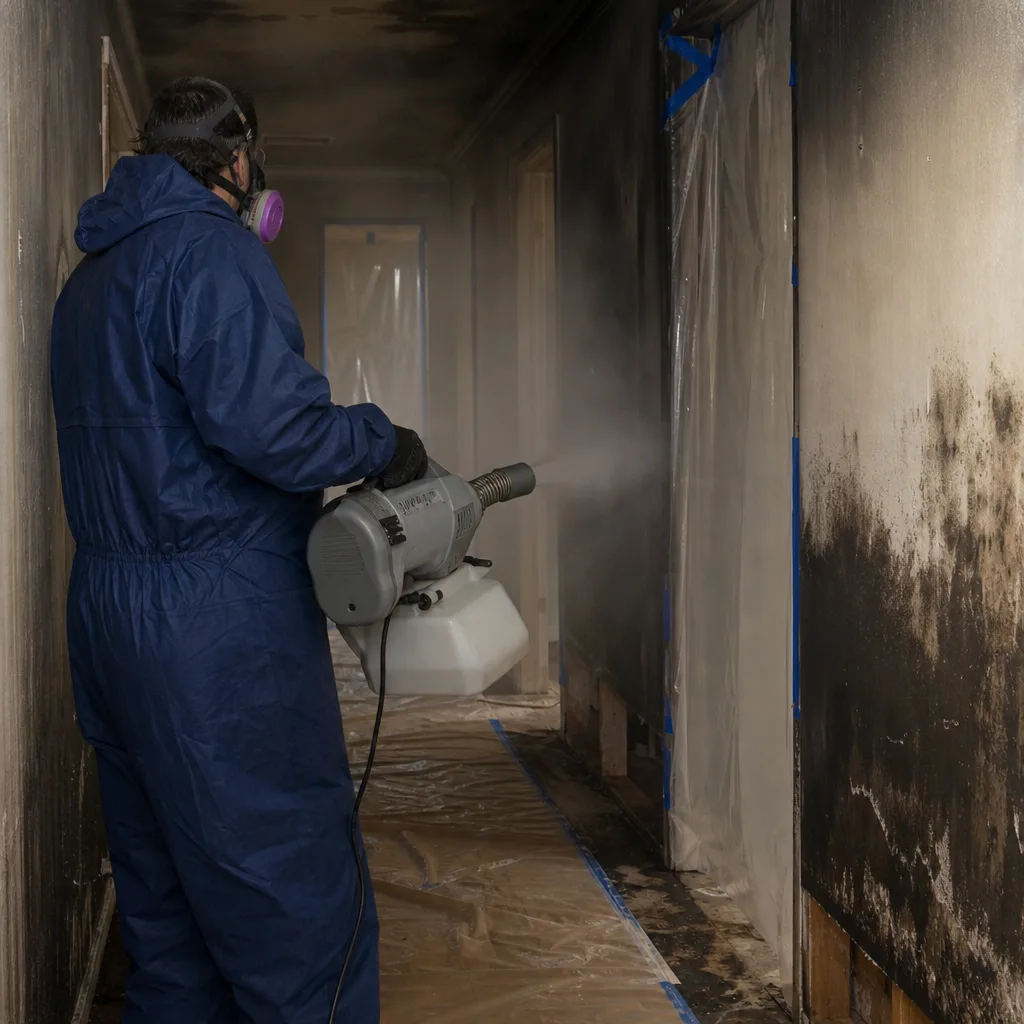
California Insurance Code Section 2070 and standard HO-3 policy language create specific maintenance obligations that, if unmet, allow insurers to deny or reduce claims. These are not obscure clauses; they’re invoked routinely in Vista-area claim disputes.
Failure to repair known leaks. If you’ve documented a moisture reading of 18% in a cabinet base and taken no action, the insurer can argue the subsequent damage was foreseeable, not accidental. Your quarterly checklist creates the record of knowledge; it also creates the record of response if you act on it.
Neglect of appliance supply lines beyond manufacturer service life. Rubber washing machine hoses have a documented 3-5 year failure curve. A burst hose at 8 years, with no replacement record, triggers the “expected wear” exclusion in most policies.
Unrepaired roof damage after wind or hail events. California policies typically require “reasonable” repair within 180 days of a known event. A photo of wind-lifted shingles from January, with no repair invoice until June, supports a denial for intervening rain damage in March.
Crawl space moisture above 20% sustained for 60+ days. This threshold appears in several California insurer guidelines as the point where wood decay becomes “expected” rather than “sudden.” Your marine layer season moisture mapping proves whether this condition existed.
Improper winterization of irrigation or pool systems. Vista’s frost risk is low but not zero. A hard freeze in January 2024 damaged above-ground backflow preventers across the city. Homeowners who had not drained systems per manufacturer instructions saw partial claim denials.
Unpermitted plumbing modifications. The City of Vista requires permits for water heater replacement, repiping, and irrigation system backflow modification. Unpermitted work that fails can void coverage for resulting damage under the “faulty workmanship” exclusion.
The Homeowner Documentation Toolkit: $80-$220 in Equipment
Professional-grade documentation doesn’t require professional-grade spending. Here’s the equipment list with Vista-area sourcing.
| Item | Purpose | Price Range | Local Source |
|---|---|---|---|
| Pinless moisture meter (General Tools MMD7NP or equivalent) | Surface moisture without probe damage | $35-$55 | Home Depot Vista, Lowe’s Oceanside |
| Pin-type moisture meter (Delmhorst BD-10 or equivalent) | Accurate wood and drywall core readings | $45-$85 | Online specialty retailers |
| Hygrometer with remote sensor (AcuRite 00613 or equivalent) | Crawl space and attic RH monitoring | $15-$25 | Home Depot Vista, Amazon |
| Hose-bib pressure gauge with lazy hand | Static and peak pressure recording | $12-$18 | Home Depot Vista, local hardware stores |
| Feeler gauge set (SAE, 0.0015-0.025 inch) | Gap measurement for flashing, doors, windows | $8-$15 | AutoZone Vista, O’Reilly Auto Parts |
| Infrared thermometer (non-contact) | Surface temperature for condensation risk assessment | $18-$35 | Home Depot Vista, Harbor Freight Oceanside |
Total investment: $133-$233 if purchased new, or $80-$150 if sourcing some items used or borrowing for annual tasks. Compare this to the average out-of-pocket cost on a denied water damage claim in Vista: $8,400 based on our claims assistance data since 2011. For a deeper look at typical expenses, see our Damage Restoration Cost Breakdown: The Vista Homeowner’s Reference for 2026.
The equipment we deploy on professional jobs - Dri-Eaz, Phoenix, and B-Air drying systems, Injectidry cavity drying systems - produces the same data types at higher precision. Your homeowner toolkit won’t replace professional psychrometric documentation, but it will establish the baseline that makes professional documentation actionable in a claim dispute.
Common Mistakes to Avoid
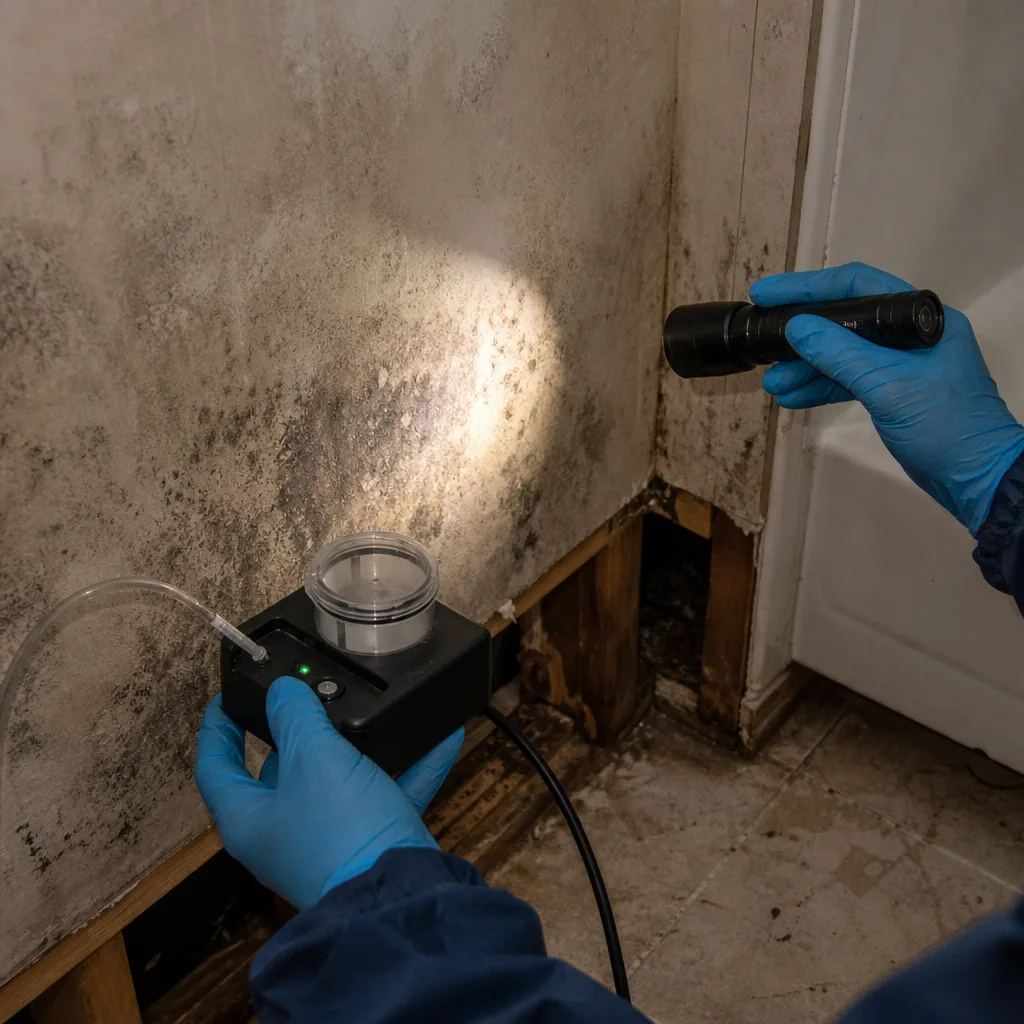
- Recording “looks fine” instead of numbers. “Looks fine” is inadmissible in claim disputes. A photo of a meter reading is evidence; a photo of a dry-looking cabinet is interpretation.
- Inspecting only after a problem appears. The insurer’s “gradual damage” argument succeeds when your first documented inspection postdates visible damage. Baseline documentation must predate any known issue.
- Ignoring the marine layer season. Vista homeowners often associate water damage with winter rain, but our highest crawl space moisture readings occur in May and June when cool, humid air meets warm surfaces. Schedule annual crawl space mapping for this window.
- Storing photos only on the phone that dies in the flood. The same event that causes your loss can destroy your documentation. Automatic cloud upload within 24 hours is mandatory, not optional.
- Assuming a home warranty covers maintenance-related damage. Home warranties and homeowner insurance are distinct products with distinct exclusions. Warranty coverage for appliance failure does not extend to resulting water damage if maintenance was neglected.
- Using the same checklist for a 1978 tract home and a 2019 build. Vista’s housing stock spans four decades of building code evolution. Polybutylene supply lines (1980s-1990s), galvanized steel drains (pre-1970s), and modern PEX with manifold systems each require distinct inspection protocols.
- Failing to update the checklist after any repair or renovation. A new roof, repiped plumbing, or replaced water heater resets your baseline. The photo log must reflect current conditions, not historical ones.
When to Call a Professional
Some conditions exceed homeowner inspection capacity and require documented professional assessment. Call for evaluation when: moisture meter readings exceed 19% on structural wood despite visible dryness; you detect musty odor in crawl space or attic with no visible source; your water bill increases 15% or more month-over-month with no usage change; irrigation pressure exceeds 60 PSI at the hose bib and you cannot locate the pressure regulator; or any appliance supply line exceeds its replacement age and you cannot verify installation date.
Fire & Smoke Damage Restoration in Vista and other specialized services require distinct protocols, but water damage documentation standards apply across loss types. DryMark Restoration Vista offers free estimates in Vista - call (760) 539-8990. Our written scope includes the same moisture mapping, photo documentation, and drying log standards we apply to insurance claims, so your pre-loss baseline and post-loss documentation share a common format.
Frequently Asked Questions
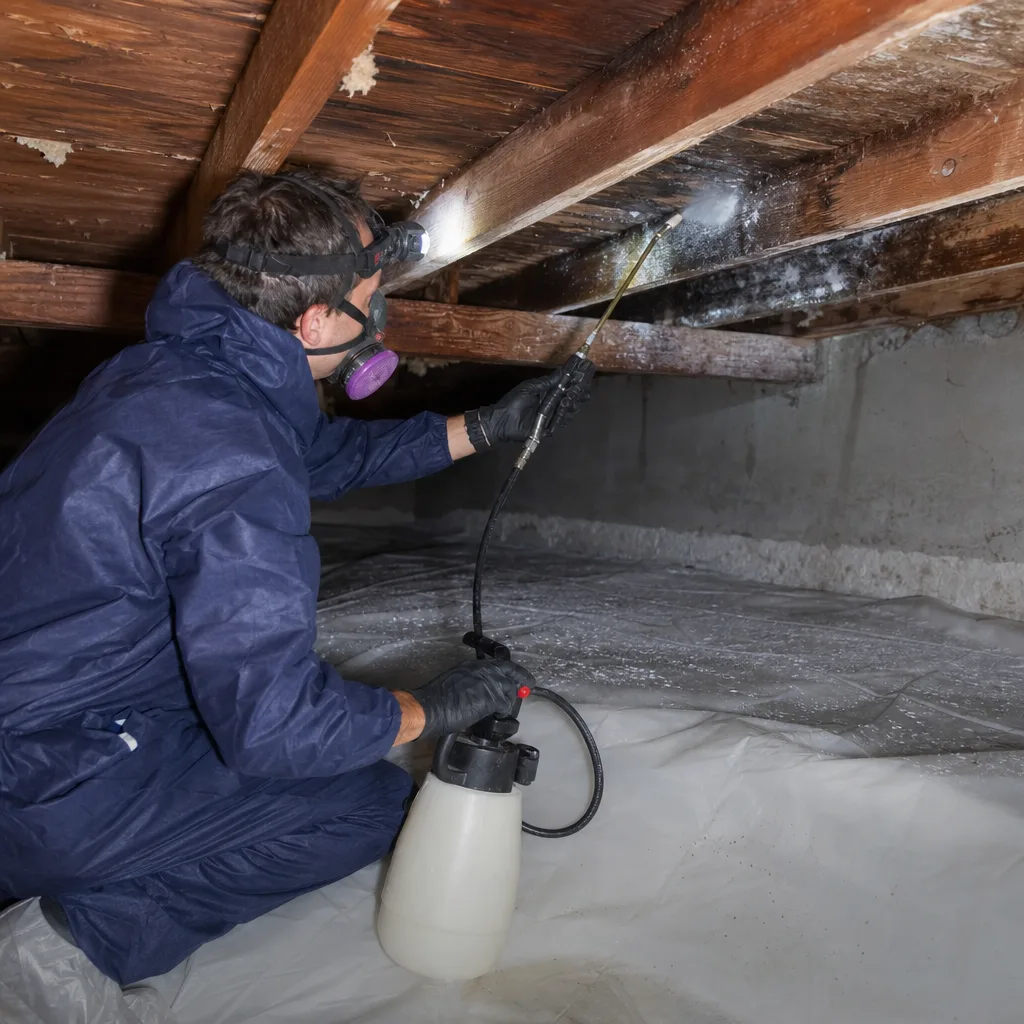
Professional crawl space moisture mapping in Vista typically runs $180-$340 for a single-family home under 2,500 square feet, with pricing based on crawl space accessibility and the number of test points. Call (760) 539-8990 for an exact quote - estimates are free.
Insurers accept homeowner documentation that meets three standards: verifiable date, scale reference, and location identification. Photos with automatic phone timestamps, visible rulers or coins, and address-specific labels meet this standard. Photos without these elements are considered unverifiable and may be excluded from claim consideration.
Rubber washing machine hoses should be replaced every 3 years in Vista’s water conditions, which include higher chloride content in some municipal zones that accelerates rubber degradation. Braided stainless steel hoses extend this to 5 years, but only if the braided sheath remains intact with no visible corrosion at the coupling.
Moisture meter readings measure the percentage of water in a solid material (wood, drywall, stucco) by electrical resistance or capacitance; relative humidity measures the percentage of moisture the air holds relative to its maximum capacity at that temperature. Both matter: a crawl space can show 55% RH (acceptable air) while subfloor wood reads 21% (unacceptable material), indicating a moisture source in contact with the wood rather than atmospheric humidity.
Yes. The City of Vista requires a plumbing permit for water heater replacement, including verification of seismic strapping, pressure relief valve piping, and combustion air requirements for gas units. Unpermitted replacement that fails and causes damage can trigger the “faulty workmanship” exclusion in your homeowner policy.
Smart water sensors and humidity monitors can supplement but not replace manual inspection. Sensors alert to conditions after they occur; manual inspection with a moisture meter catches conditions before they trigger alerts. We recommend sensors for real-time notification and manual documentation for baseline establishment and insurer acceptance.
The Bottom Line
A water damage maintenance checklist earns its place in your home file when every item produces a dated, numbered, photographed record. Vista’s marine layer, irrigation pressure, and Santa Ana wind-driven rain create specific risks that generic checklists miss. The quarterly tasks catch drift; the annual tasks establish structural baseline; the photo log turns your diligence into claim evidence. The $80-$220 toolkit investment and four hours of annual effort compare favorably to the average denied-claim out-of-pocket cost. At Back to Dry, we’ve built our practice on the documentation that insurers pay without dispute - Haven Standard, Clause 1: written price before work begins; documented photo record on every visit; 365-Day Done Right Promise backed by The Haven Standard. Your maintenance checklist should meet the same standard.
Written by Alicia Brennan, Owner at DryMark Restoration Vista, serving Vista since 2011.