
Last updated September 23, 2026
Free visual inspection and a written scope of work before any mitigation begins - photos, moisture readings, and drying logs go in your claim file
The scope we write is the scope we bill. Anything new gets shown to you, in writing, before we touch it.
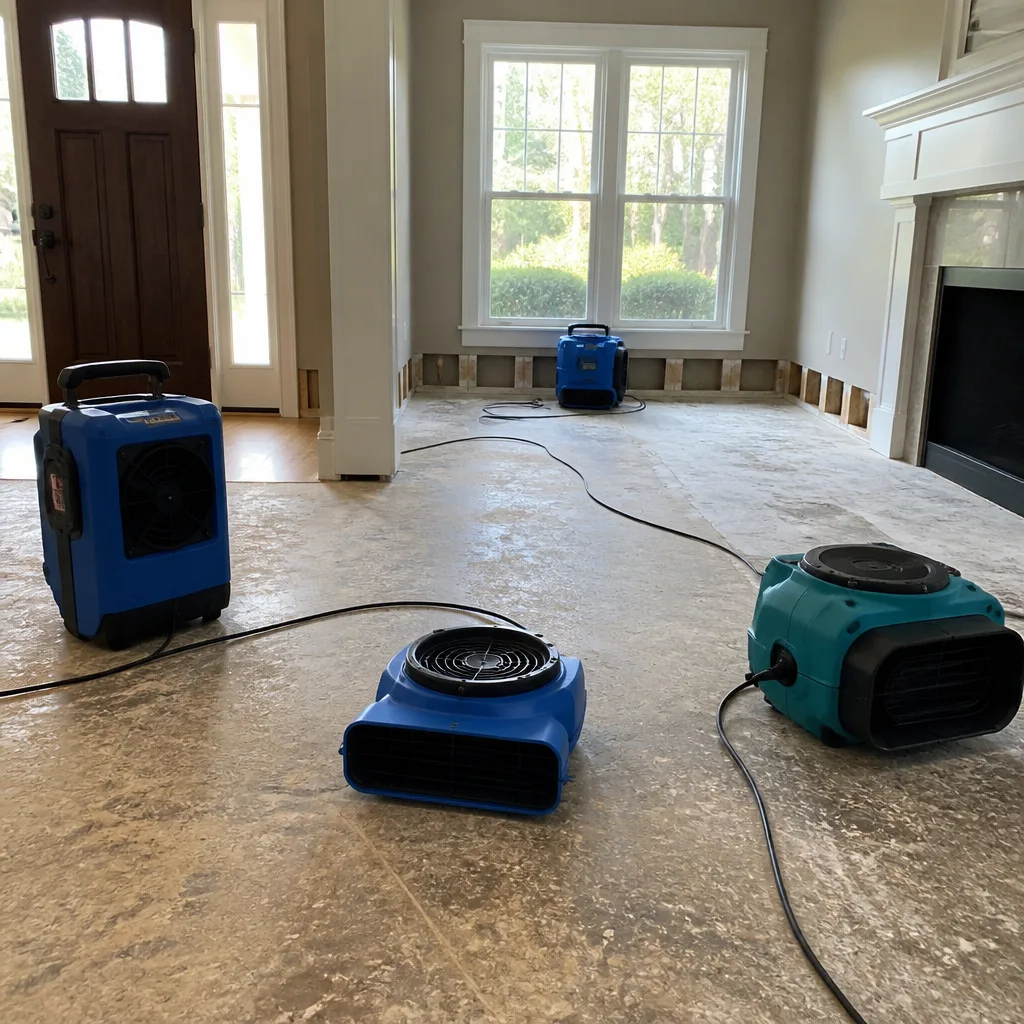

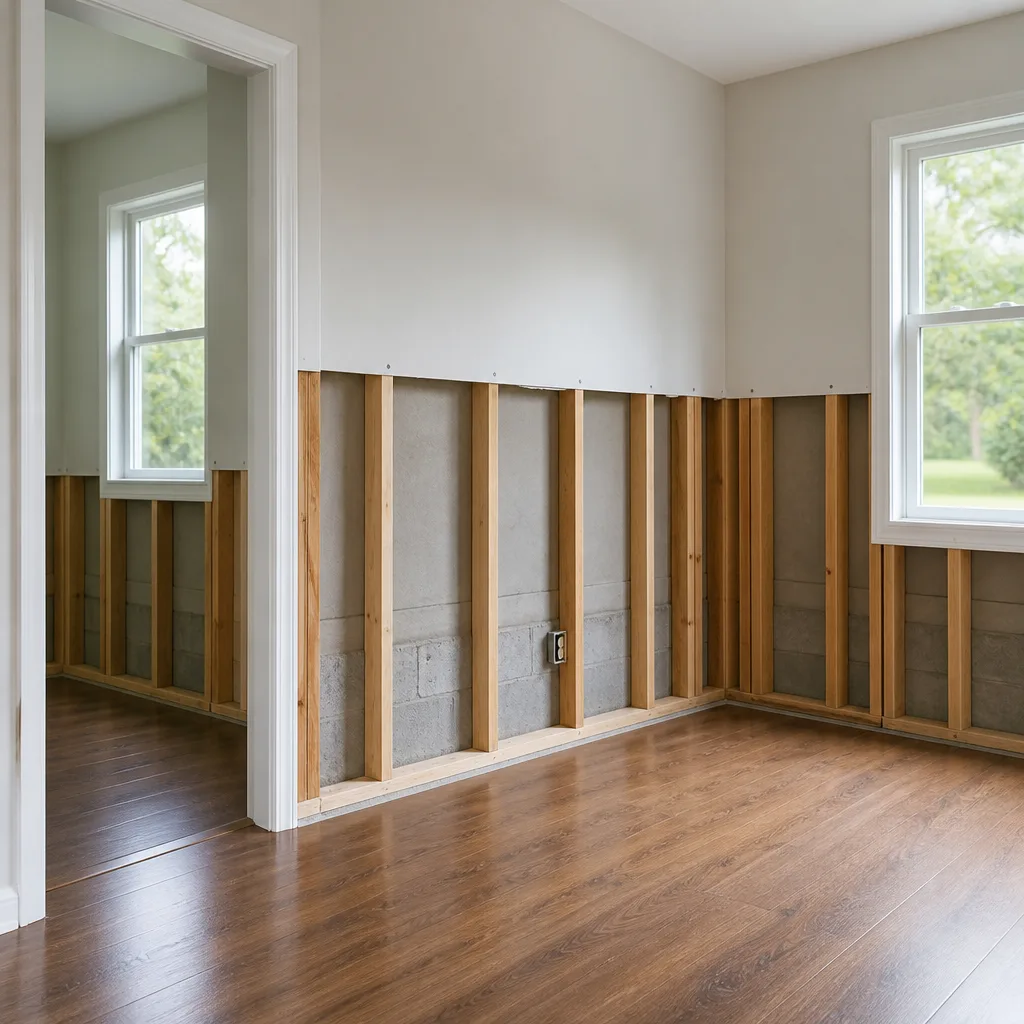

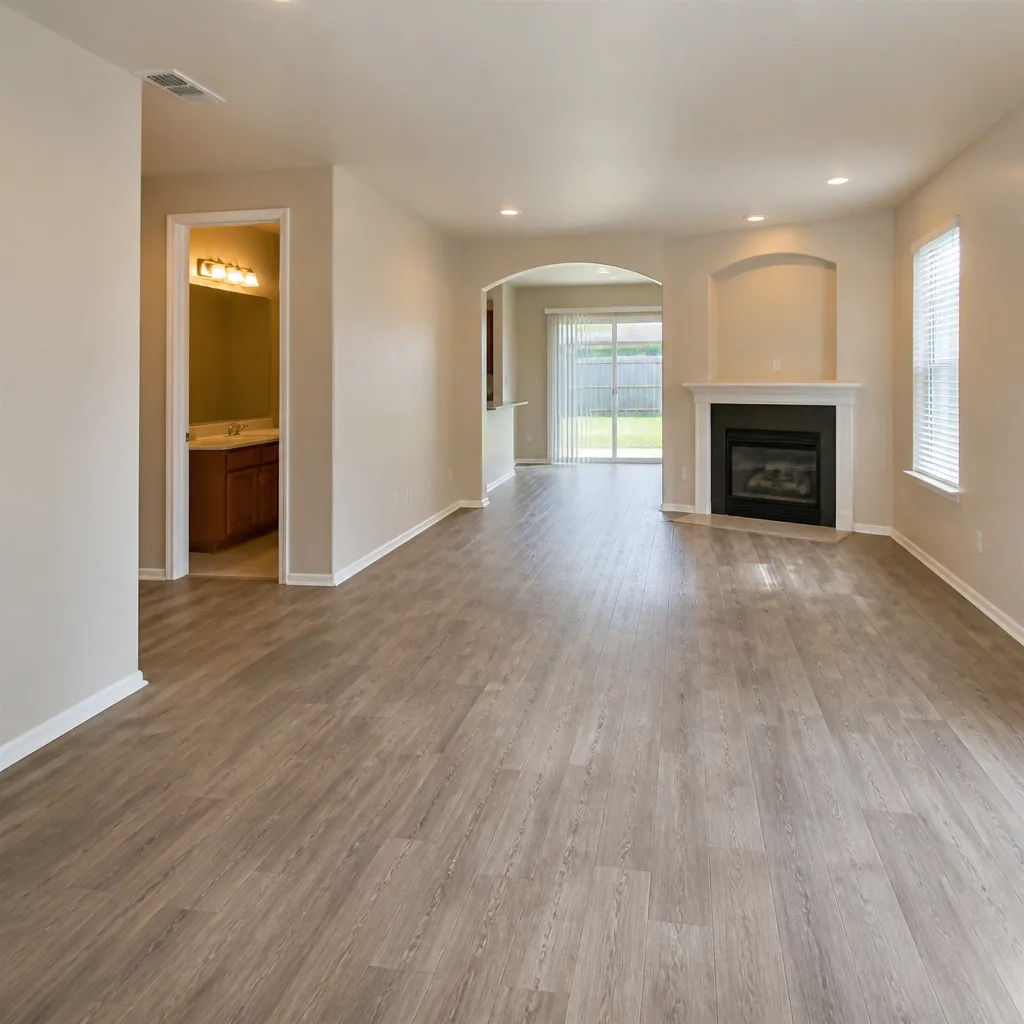
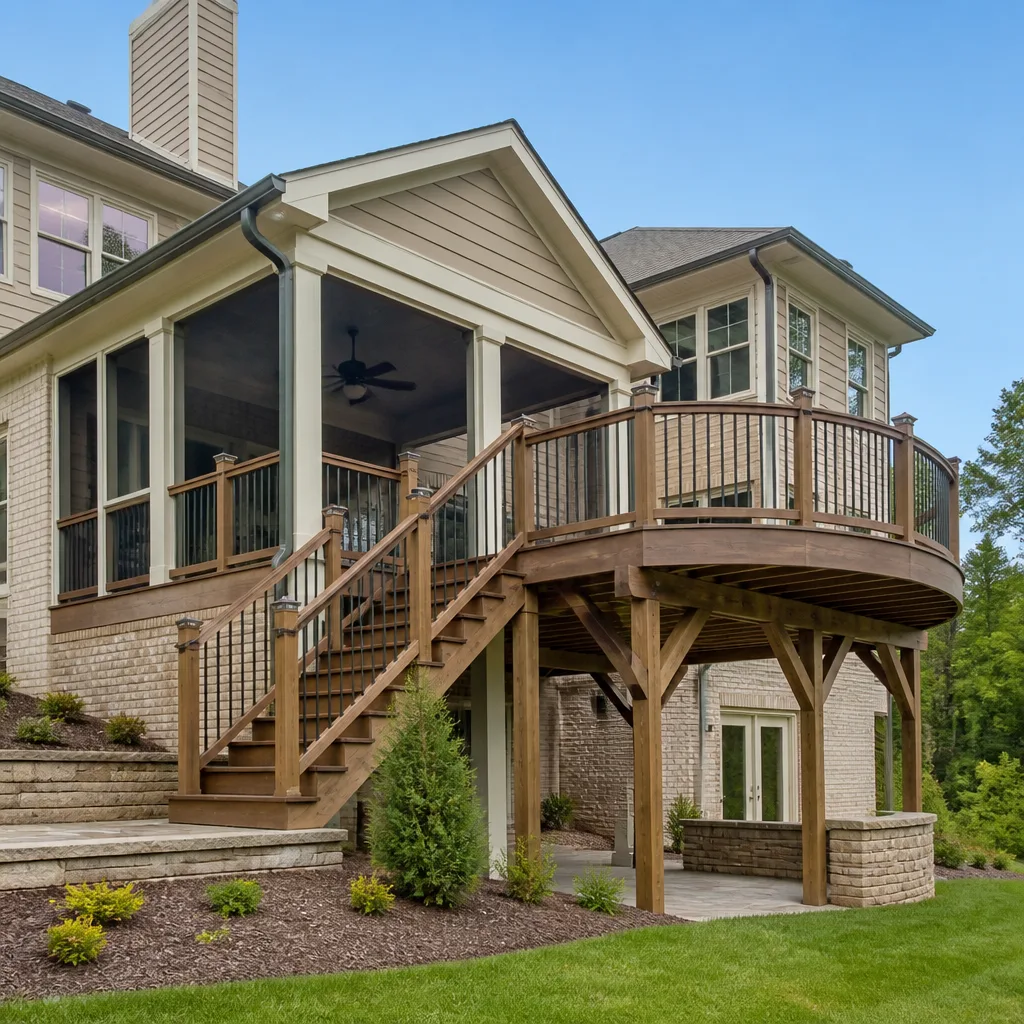
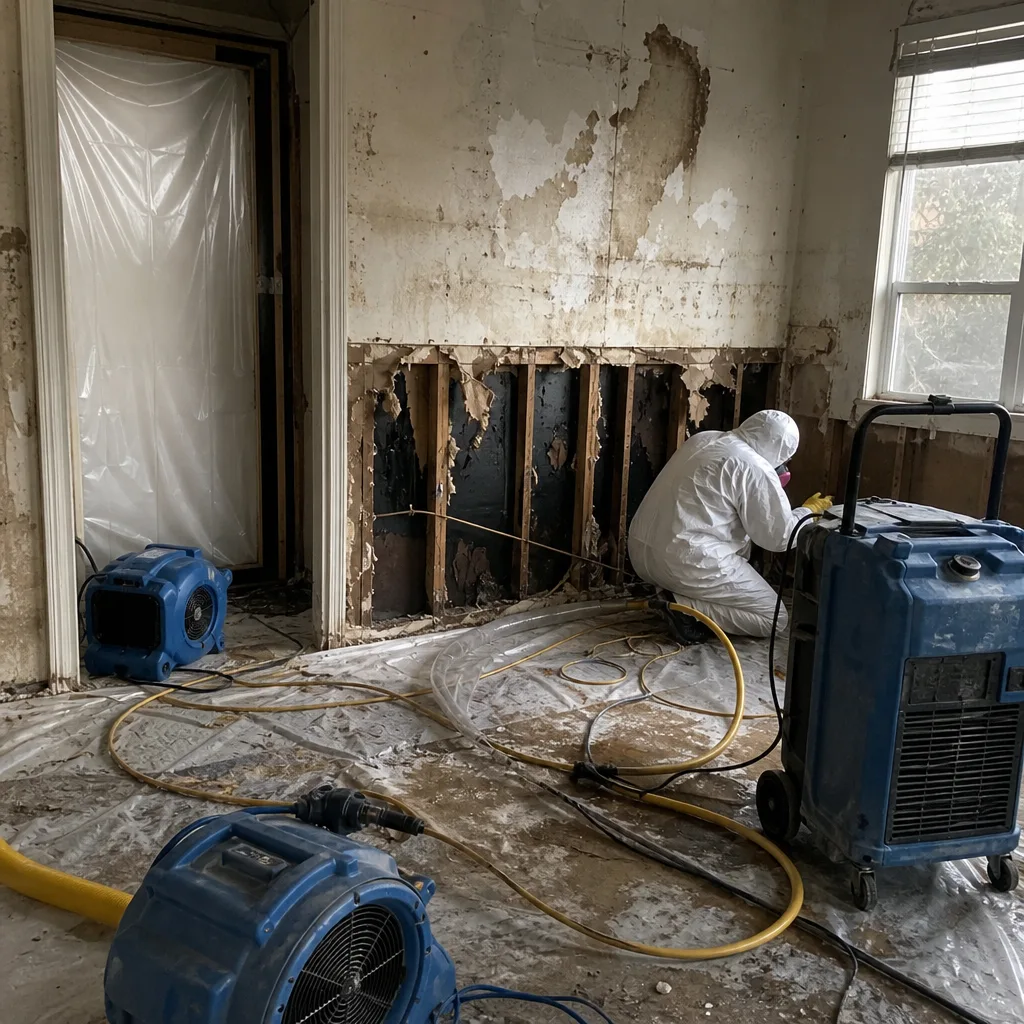 Before
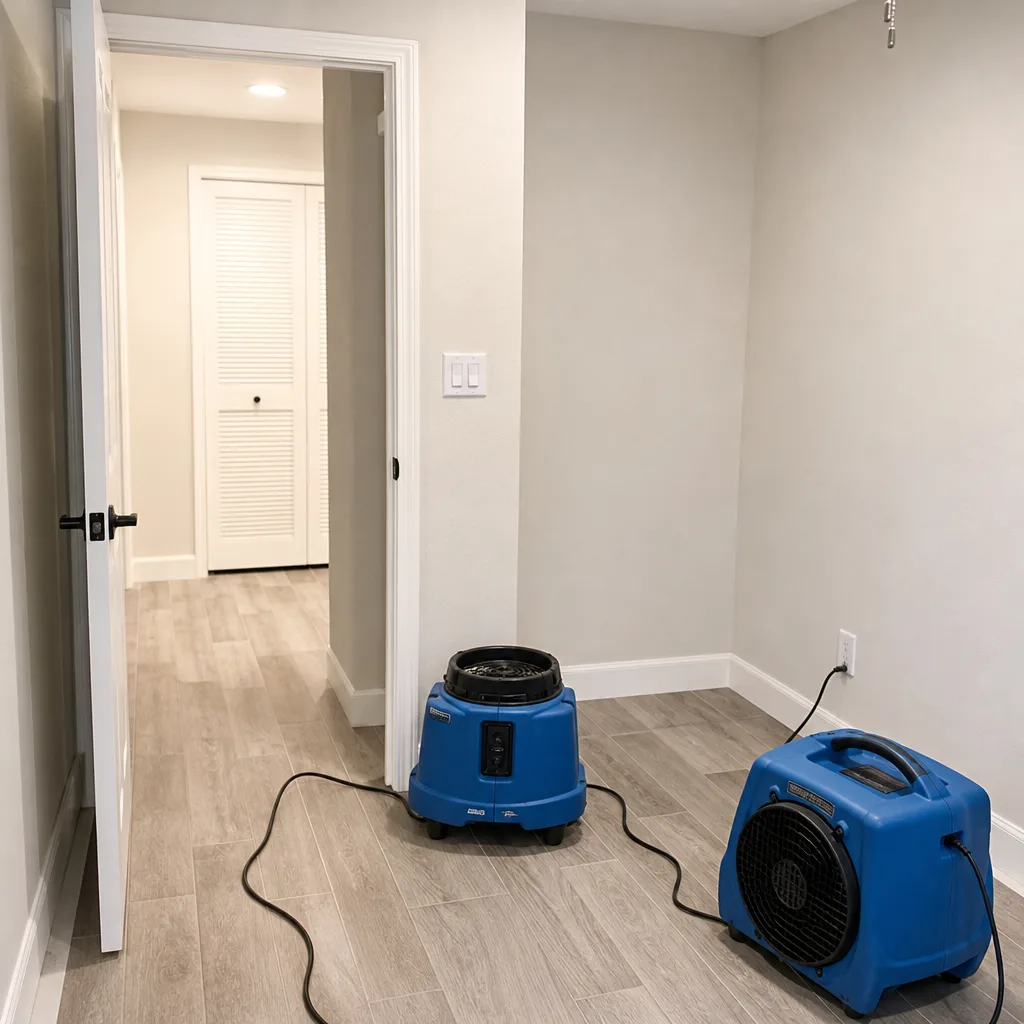 After
After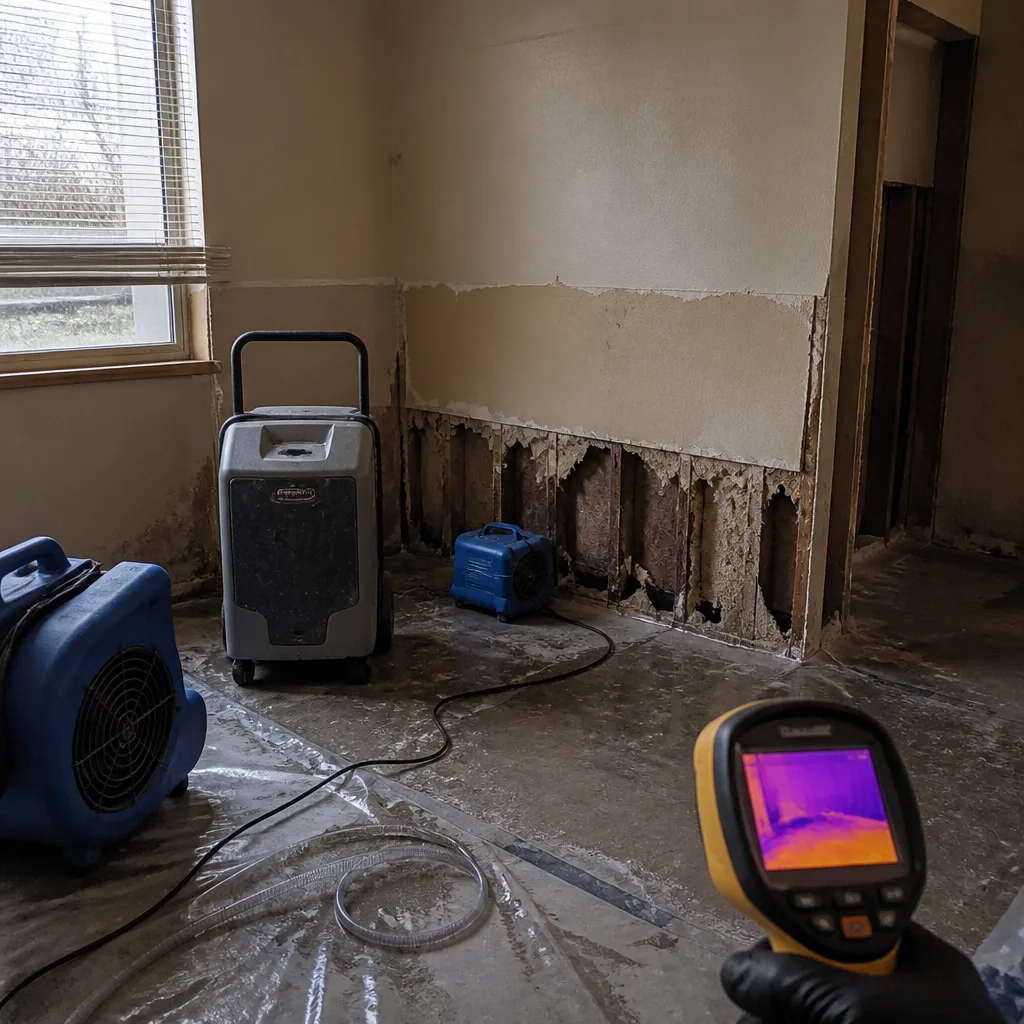 Before
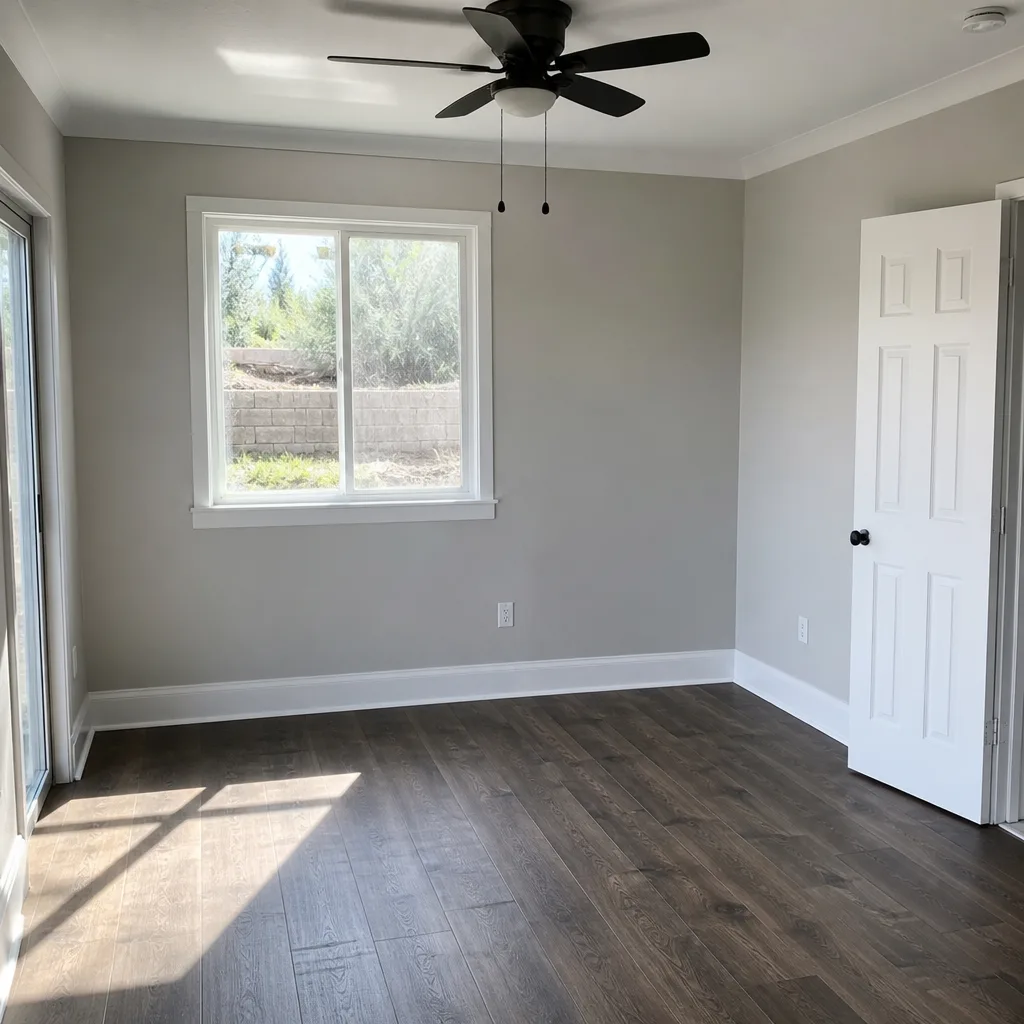 After
After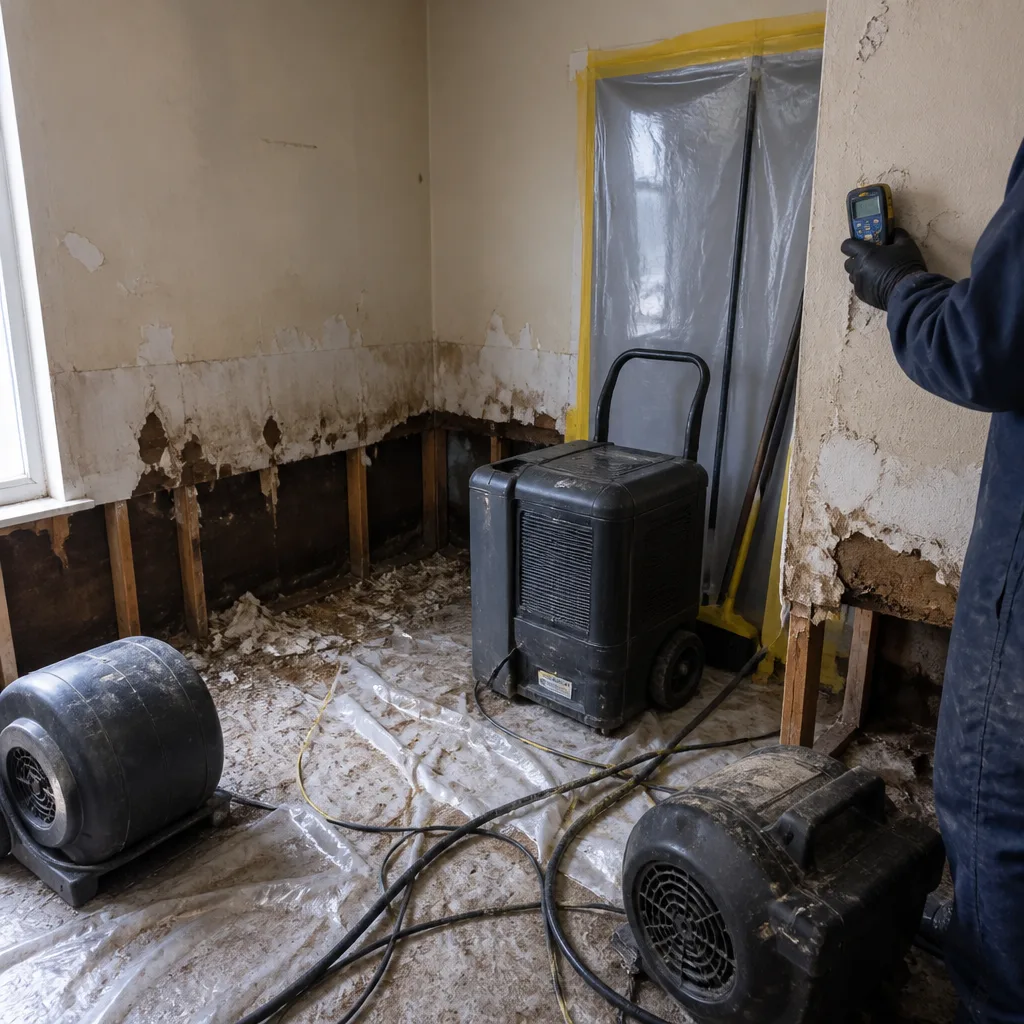 Before
 After
AfterDamage Restoration Permits, Codes & Inspections in CA: What You Need to Know
Here’s a scenario we’ve handled more than once in Vista: a homeowner finishes mold remediation behind a permitted drywall repair, only to learn that the contractor opened wall cavities without pulling a building permit for the repair itself. The insurer treated the entire restoration as unpermitted work. The homeowner, not the contractor, absorbed a $47,000 reconstruction bill. California’s permit requirements for damage restoration are more granular than most homeowners realize, and skipping the right permit doesn’t create a minor code violation. It creates an insurance coverage gap that can leave a homeowner holding six figures of reconstruction cost. This guide names exactly which restoration scopes trigger a permit in California, what the inspection record must show, and how to protect your claim, and you can explore more guides & resources for related topics.
Quick Answer
Most California damage restoration work requires a building permit when it involves structural assemblies, electrical systems, or drywall replacement exceeding 100 square feet in a single room. Mold remediation itself typically requires no building permit but must comply with Cal/OSHA regulations and produce documented containment and air-clearance records. The final inspection sign-off date serves as your documented restoration completion point, which resets your home’s insurable condition for future claims.
Table of Contents
- When Is a Building Permit Required for Restoration Work?
- Mold Remediation: Cal/OSHA Requirements vs. Building Permits
- Vista and San Diego County Permit Specifics
- California Building Code Title 24: Sections That Apply to Restoration
- How Final Inspection Sign-Off Protects Your Insurance Coverage
- What Happens When Unpermitted Restoration Is Discovered Later
- Documentation Standards That Satisfy Adjusters and Inspectors
- Common Mistakes to Avoid
- When to Call a Professional
- Frequently Asked Questions
 Before
 After
AfterWhen Is a Building Permit Required for Restoration Work?
California building permit triggers for restoration work fall into three categories that most homeowners don’t expect: structural, electrical, and square-footage thresholds. Understanding where your project sits determines whether you’re looking at a same-day over-the-counter permit or a plan-review process that adds two to four weeks.
Structural Drying Affecting Load-Bearing Assemblies
When water damage saturates a load-bearing wall, floor joist, or roof truss, the drying process itself doesn’t require a permit. The permit trigger activates when any material in that assembly is removed, replaced, or altered. In Vista, we regularly see this scenario after supply-line breaks in second-story bathrooms: water travels down wall cavities and saturates the top plate of a first-floor bearing wall. If our crew removes drywall to access the cavity and the top plate shows delamination or compression failure, replacement of that plate requires a structural permit under California Building Code Section 105.1.
The same rule applies to subfloor replacement over engineered joists. Many homes in Vista’s Shadow Ridge and Rancho Minerva neighborhoods, built between 2005 and 2015, use engineered I-joists with OSB webs. Once those webs exceed 16% moisture content for more than 48 hours, the adhesive bonds degrade. Replacing the subfloor without inspecting the joist web is a common shortcut. If the web is damaged and replaced, that’s structural work requiring a permit.
Electrical Exposure During Drying
Any restoration work that exposes electrical wiring, boxes, or panels triggers an electrical permit under California Electrical Code Article 80. This includes:
- Removing drywall or ceiling material that reveals branch-circuit wiring
- Disconnecting or relocating outlets, switches, or fixtures to facilitate drying
- Accessing electrical panels located in water-damaged walls
- Replacing flood-damaged GFCI outlets, which must be verified for proper ground-fault protection
In our experience across Vista, the electrical permit is the most commonly missed trigger. A contractor running Injectidry hoses through a wall cavity will often move an outlet box 6 inches to clear the hose path. That relocation requires an electrical permit and inspection, even if the wire itself isn’t replaced.
Drywall Replacement Square-Footage Thresholds
San Diego County, which governs unincorporated Vista-adjacent areas and influences municipal practice, follows the California Residential Code’s threshold: drywall replacement exceeding 100 square feet in any single room requires a building permit. This is measured by the surface area of new material, not the damaged area removed. A 10-by-10-foot bedroom with water-damaged lower walls might need 56 square feet of replacement - no permit. The same room with full-height replacement on two walls hits 128 square feet and triggers the permit requirement.
Multi-room cumulative totals don’t apply. You could replace 90 square feet in four rooms (360 square feet total) without a permit, but 110 square feet in one room requires one. This distinction matters for whole-house drying projects, where crews sometimes batch drywall orders across rooms.
Permit-Exempt Restoration Activities
The following activities generally do not require a building permit in California, though documentation remains essential:
- Surface water extraction and standing water removal
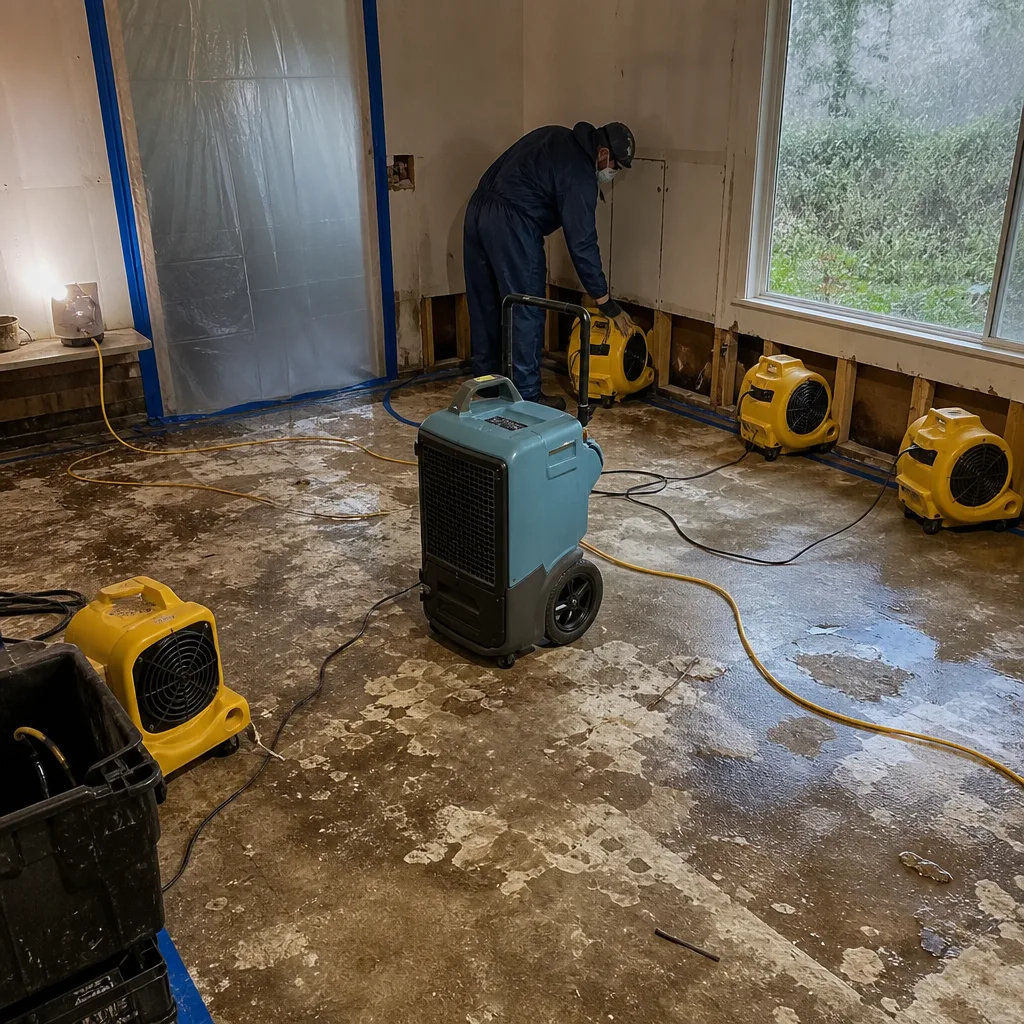
- Deployment of portable drying equipment (Dri-Eaz dehumidifiers, Phoenix air movers, XPOWER axial fans) without structural modification
- Non-structural content cleaning and pack-out
- Carpet and pad removal and replacement in non-structural applications
- Surface mold treatment on intact, non-porous materials where no wall cavity is opened
Mold Remediation: Cal/OSHA Requirements vs. Building Permits
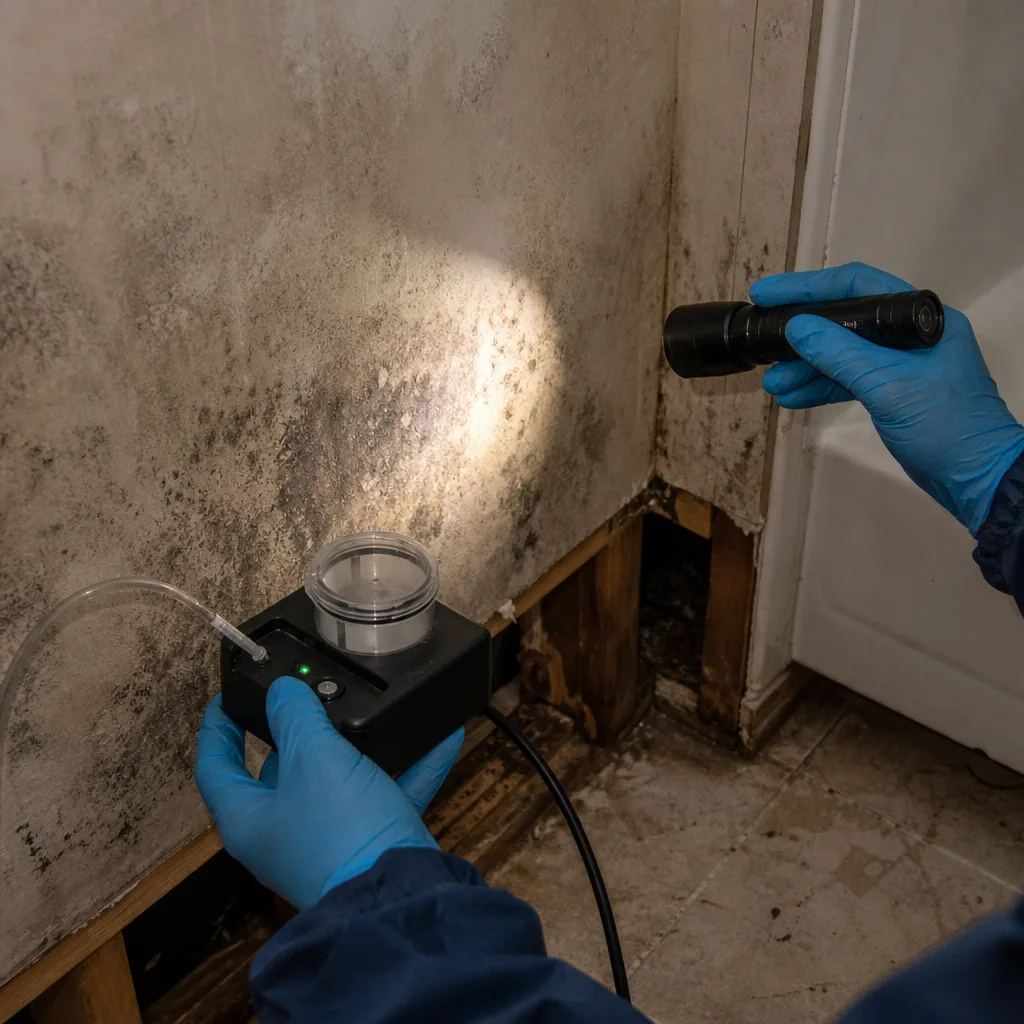
Mold remediation occupies a confusing regulatory space in California. Most jurisdictions, including the City of Vista, do not require a building permit for mold remediation itself. But Cal/OSHA Title 8, Section 5208 creates independent requirements that are, in practice, more stringent than many permit regimes. The documentation gap between what Cal/OSHA requires and what contractors actually produce is where homeowners lose claims.
Cal/OSHA’s Mold Remediation Requirements
Section 5208 applies to any remediation of mold contamination exceeding 10 square feet in an occupied building. The regulation mandates:
- Written mold remediation plan before work begins, including containment strategy and worker protection measures
- Negative air pressure containment for areas exceeding 100 square feet of visible mold
- HEPA filtration during remediation, documented by air-sampling results
- Post-remediation clearance sampling by an independent third party, not the remediation contractor
The third-party clearance requirement is the most frequently violated. We’ve reviewed competitor estimates in Vista where the same contractor proposes to remediate and then “clear” their own work. That violates Cal/OSHA and creates a documentation hole that insurers exploit. Mold remediation in Vista should always include independent clearance documentation.
Where Mold and Building Permits Overlap
The permit trigger isn’t the mold. It’s the repair of the building material that contained it. If remediation requires removing drywall, and that drywall replacement exceeds 100 square feet in a room, the building permit applies to the repair, not the remediation. The critical sequence: permit first, then remediation, then repair, then inspection. A contractor who remediates first and pulls the permit afterward has reversed the sequence. The inspection will fail because the inspector cannot verify what was behind the now-closed wall.
In Vista’s coastal-influenced climate, we see this sequencing error frequently. The marine layer keeps relative humidity elevated through June, and mold behind bathroom drywall is common in homes without continuous exhaust ventilation. Homeowners understandably want the mold gone immediately. Contractors who skip the permit to speed the process create a coverage gap that surfaces years later.
Documentation the Adjuster Will Request
Cal/OSHA compliance documentation that satisfies adjusters includes:
- Initial mold assessment with square-footage measurement and material classification (Category 1, 2, or 3 water source)
- Written remediation plan with containment diagram
- Daily containment verification photos with date stamps
- Air sampling results showing outside reference, containment area, and adjacent areas
- Third-party post-remediation clearance report with laboratory certification
- Chain-of-custody documentation for all samples
At Back to Dry, every mold remediation produces this six-document set as standard deliverable. It’s not an upsell. It’s the documentation that turns a restoration invoice into a payable claim.
Vista and San Diego County Permit Specifics
Vista operates under the City of Vista Building Division for permits within city limits, while unincorporated areas fall to San Diego County Department of Environmental Health. If you’re planning a project, read How to Hire a Damage Restoration Contractor in Vista: A Step-by-Step Guide first. The practical differences matter for timing and inspection scheduling.
City of Vista Building Division
The City of Vista issues permits at 200 Civic Center Drive. For restoration work, the most relevant permit types are:
- Building permit (B-permit): structural repairs, drywall replacement over threshold, subfloor replacement
- Electrical permit (E-permit): any wiring exposure, relocation, or replacement
- Plumbing permit (P-permit): supply line replacement, drain line repair, water heater replacement after flooding
Vista offers same-day over-the-counter permits for straightforward restoration scopes with no plan review required. This applies to most drywall replacement and electrical repair jobs. Structural repairs requiring engineering review trigger plan review, typically 10 business days. In emergency water damage scenarios, Vista will issue an emergency repair authorization allowing work to proceed before permit issuance, provided the formal permit application follows within 72 hours. The emergency authorization must be posted on-site and is subject to inspection.
We’ve processed emergency authorizations in Vista’s downtown corridor and in the residential areas south of Highway 78. The key is immediate documentation: photos of the damage before any material is moved, a written scope describing the emergency work, and a licensed contractor’s signature. Without these three elements, the emergency authorization is denied and work must wait for standard permitting.
San Diego County Unincorporated Areas
Properties in Vista-adjacent unincorporated areas - parts of the Bonsall and Oceanside spheres of influence - use San Diego County’s Online Permitting Portal. The county’s restoration-specific requirement that differs from Vista’s municipal process: any flood damage repair in a Special Flood Hazard Area (SFHA) requires elevation documentation before and after repair. Vista’s FIRM maps show SFHAs along Buena Vista Creek and its tributaries. Homeowners in these zones must document pre-restoration elevation of the lowest floor and post-restoration elevation of any replaced structural elements. This documentation becomes part of the property’s permanent FEMA record.
Inspection Scheduling and Completion Documentation
Vista Building Division schedules inspections with 24-hour notice for standard requests and same-day for emergencies. The inspector issues a signed inspection card or digital sign-off, which becomes your documented completion date. We photograph every inspection card and upload it to the job file within two hours. This timestamp is what your insurer - and a future buyer’s insurer - will reference to establish that restoration was completed to code.
California Building Code Title 24: Sections That Apply to Restoration
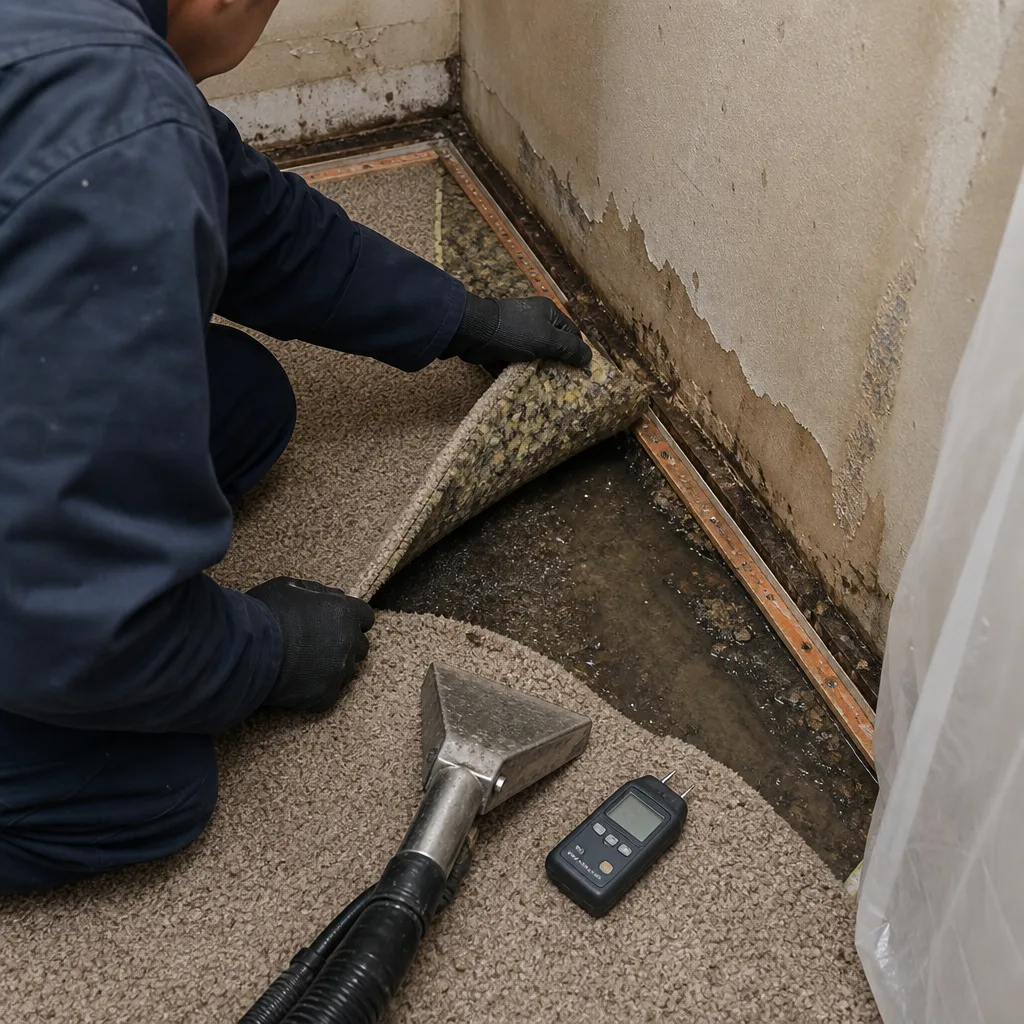
California’s Title 24 contains the specific code sections most frequently cited in post-restoration inspections. Understanding which sections apply to your scope prevents the surprise of a failed inspection after work is complete.
Section R105.1 - Work Requiring a Permit
This is the foundational trigger section. It establishes that construction, alteration, movement, enlargement, replacement, repair, equipment installation, and demolition all require permits. The “repair” category is where restoration work most often falls. A common misconception: repair of “like for like” doesn’t require a permit. Title 24 contains no such exemption. Replacing water-damaged drywall with new drywall is repair, and if it exceeds thresholds, it requires a permit.
Section R302.1 - Exterior Walls
Restoration of exterior walls after water or fire damage must maintain the original fire-resistance rating. In Vista’s wildland-urban interface zones, particularly areas adjacent to the Vista Conservation Area, exterior walls often require one-hour fire-resistance-rated assemblies. A contractor who replaces fire-rated drywall with standard Type X without verifying the original rating has created a code violation that voids the inspection sign-off.
Section R313.1 - Automatic Fire Sprinkler Systems
Any restoration work that disturbs a fire sprinkler system - common in post-fire smoke and water damage scenarios - triggers requirements under NFPA 13D as adopted by Title 24. The system must be restored to full operational status and tested before final inspection. We’ve encountered situations in Vista where a contractor dried and repaired a fire-damaged ceiling but failed to restore sprinkler head coverage patterns. The inspection failed, the certificate of occupancy was withheld, and the homeowner’s temporary housing coverage expired while the rework was completed.
Section R324 - Solar Energy Systems
Vista has significant solar penetration, particularly in newer developments. Roof-mounted solar arrays damaged in storms or fires require electrical and building permits for removal and reinstallation. The reinstallation must comply with current Title 24 standards, which may differ from the original installation code year. A 2015 solar installation removed for fire restoration in 2024 must be reinstalled to 2024 standards, including updated rapid shutdown requirements and potentially upgraded structural attachments.
Section R902.1 - Roof Coverings
Roof restoration after storm or fire damage must use materials approved for the roof’s slope and fire classification. Vista’s climate zone subjects roofing materials to UV degradation and thermal cycling that inland zones don’t experience. Title 24 requires Class A fire-rated roofing in designated wildland-urban interface areas, which includes portions of eastern Vista. A contractor replacing hail-damaged composition shingles with the same product may violate code if the original installation predated the WUI designation and the new installation must comply.
Section P2904 - Dwelling Unit Fire Sprinkler Systems
Separate from R313.1, this section governs residential fire sprinklers in new construction and substantial remodels. Restoration work exceeding 50% of the dwelling’s assessed value in a 12-month period triggers “substantial remodel” classification and may require full sprinkler system installation in jurisdictions that have adopted this provision. Vista has not adopted P2904 for existing dwellings, but San Diego County has in certain unincorporated areas. This discrepancy creates a permit trap for properties near jurisdictional boundaries.
How Final Inspection Sign-Off Protects Your Insurance Coverage
The final inspection sign-off is the most underutilized asset in restoration documentation. It functions as a third-party verification of completed, code-compliant work that resets your property’s insurable condition. Without it, your insurer can treat pre-existing damage as ongoing and deny future claims on the same peril.
The Insurable Condition Reset
Insurance policies cover sudden and accidental damage, not gradual deterioration or pre-existing conditions. When water damage occurs, your home’s insurable condition is compromised until the damage is remediated. The question is: what constitutes remediation? An insurer’s claims manual will reference “completion of repairs to pre-loss condition” or similar language. The final inspection sign-off is the objective evidence of that completion.
We’ve seen this protect homeowners in Vista specifically when subsequent claims arise. A 2019 water damage claim in the Melrose Drive corridor was properly permitted, remediated, and signed off. When a 2023 supply-line break occurred in an adjacent bathroom, the insurer initially attempted to attribute visible mold in the original wall cavity to incomplete 2019 work. The 2019 final inspection sign-off, with its documented moisture readings and material replacement verification, defeated that attempt. The 2023 claim was paid in full.
What the Sign-Off Must Contain
A California final inspection sign-off that protects coverage includes:
- Permit number and issue date, linking to the original permit application
- Inspection date and inspector identification number
- Specific code sections verified during inspection
- Correction notices, if any, with re-inspection dates
- Final approval status with inspector signature or digital authentication
We include a copy of the complete permit packet - application, corrections, approvals - in every job file delivered to the homeowner. This packet travels with the property. When Vista homeowners sell, the permit history appears in title searches. A complete, signed-off permit history increases buyer confidence and prevents sale-price reductions for “unpermitted work.”
The Documentation Chain
The inspection sign-off doesn’t stand alone. Its value depends on the documentation chain that supports it:
- Written scope before work begins (Haven Standard, Clause 1)
- Photo record on every visit, including pre-work, during work, and post-work conditions
- Daily moisture logs with psychrometric data (temperature, relative humidity, vapor pressure differential - the force that drives moisture from materials into the air)
- Material invoices with product specifications matching permit application
- Third-party clearances where required (mold, asbestos, lead)
At DryMark Restoration Vista home, we produce this chain as standard practice. It’s the documentation-first approach that turns restoration invoices into payable claims.
What Happens When Unpermitted Restoration Is Discovered Later
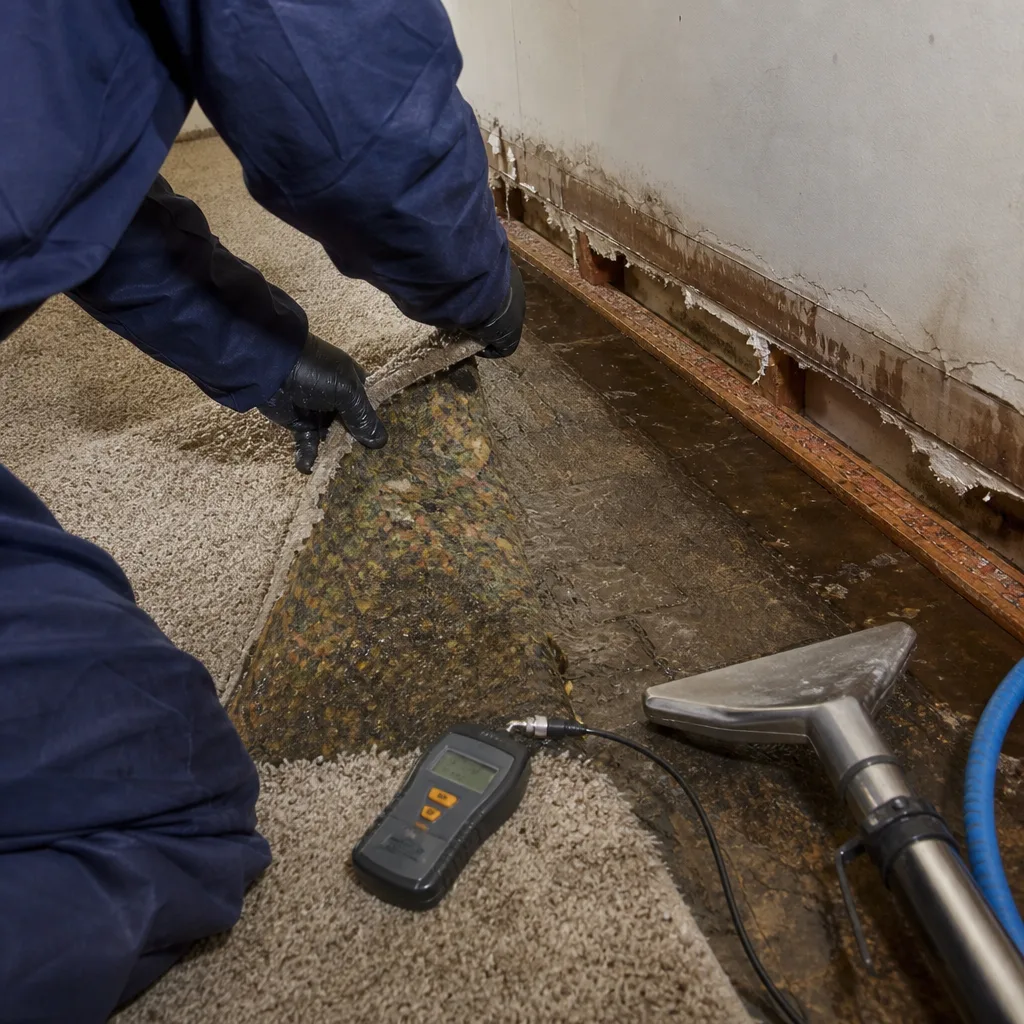
Unpermitted restoration work creates three distinct risks that compound over time: code enforcement, insurance coverage denial, and property sale complications. Learn to spot problems early in Damage Restoration Warning Signs: A Vista Homeowner’s Reference Guide. Each has a specific mechanism and specific consequences in California.
Code Enforcement and Penalties
California Government Code Section 50985 authorizes local jurisdictions to impose penalties for unpermitted work. In Vista, the City can issue a Notice of Violation requiring either removal of the unpermitted work or retroactive permitting with penalties. Retroactive permitting for restoration work is often impossible because the inspector cannot verify what was behind now-closed walls. The “remove and redo” order is the typical outcome, with the homeowner bearing cost.
Penalty structures vary. Vista’s municipal code specifies penalties of 200% of the original permit fee for work commenced without permit, plus daily penalties for continued non-compliance. On a $400 permit, that’s $800 in penalties before any rework cost. For a whole-house restoration with multiple permit types, penalties can exceed $5,000 before a single material is touched.
Insurance Coverage Denial
The coverage gap operates through policy exclusions for “faulty, inadequate, or defective construction.” Unpermitted work is presumptively defective in most policy language. When a subsequent claim occurs, the insurer investigates permit history. Discovery of unpermitted restoration triggers two responses: denial of the current claim to the extent it relates to the unpermitted work, and potential rescission of the policy if the unpermitted work was known to the insured and not disclosed.
The disclosure issue is critical. California insurance applications ask about “any alterations, renovations, or repairs not performed to code.” A homeowner who answers “no” knowing of unpermitted work has committed material misrepresentation. The insurer can rescind the policy ab initio - as if it never existed - and return premiums without paying claims.
Property Sale Complications
California’s Transfer Disclosure Statement (TDS) requires sellers to disclose “any room additions, structural modifications, or other alterations made without necessary permits.” Unpermitted restoration work must be disclosed. Buyers can negotiate price reductions, require escrow holdbacks for permitting costs, or walk from the transaction.
In Vista’s market, where median home prices exceed $700,000, unpermitted work disclosures trigger lender scrutiny. FHA and VA loans require properties to meet minimum property standards, which include code compliance. A $15,000 unpermitted restoration can derail a $700,000 sale. We’ve been called to provide retroactive documentation for sellers who discovered this issue during escrow - documentation that often cannot be produced because the original contractor used no permit, produced no written scope, and left no photo record.
Documentation Standards That Satisfy Adjusters and Inspectors
The documentation that satisfies both building inspectors and insurance adjusters has converged in recent years. Both now expect digital records, timestamped photos, and chain-of-custody verification. Meeting both standards simultaneously is more efficient than meeting either alone.
The Haven Standard Documentation Protocol
Our documentation protocol, developed since 2011 and applied to over 12,000 homes, produces records that satisfy both constituencies:
Before work begins: Written scope with line-item pricing, signed by homeowner and contractor (Haven Standard, Clause 1). Permit application filed and permit number recorded in job file. Pre-work photos with date, time, and GPS stamp showing all affected areas. Moisture readings with meter type, calibration date, and reading locations mapped to room diagram.
During work: Daily drying logs recording temperature, relative humidity, and specific humidity at three points per affected area. Equipment placement photos showing Dri-Eaz, Phoenix, or B-Air units with serial numbers visible. Containment photos for mold remediation showing negative air pressure gauge readings. Material delivery photos with product labels matching permit specifications.
After work: Post-drying moisture readings showing attainment of dry standard (typically within 4% of unaffected reference materials). Final inspection sign-off or digital equivalent. Third-party clearances where required. Photo record of completed work with date stamp. Written warranty (365-Day Done Right Promise under The Haven Standard).
Psychrometric Data and Its Documentation Role
Psychrometrics - the measurement of air and moisture properties - produces the data that proves drying occurred. Key measurements:
- Vapor pressure differential: the difference in moisture pressure between wet materials and the surrounding air, which drives evaporation. Documented in inches of mercury or pascals.
- Grains per pound (GPP): the actual moisture content of air, which determines dehumidifier capacity requirements. Outdoor GPP in Vista typically ranges from 60-80 in winter to 100-120 during monsoon influence.
- Equilibrium moisture content (EMC): the moisture content a material will reach when exposed to specific air conditions. Wood framing EMC in Vista’s climate averages 11-13%.
These measurements, logged daily and graphed, demonstrate to adjusters that drying was scientifically managed, not guessed. They also demonstrate to inspectors that materials were returned to code-compliant moisture levels before enclosure.
Photo Documentation Standards
Our photo record on every visit includes minimum 20 images per affected room: wide context, medium detail, and close-up of each material type. Images include a measurement reference where scale matters. We use software that embeds unalterable metadata: date, time, GPS coordinates, and device identification. This metadata is what makes photos admissible in coverage disputes and what distinguishes professional documentation from homeowner cell phone images.
Common Mistakes to Avoid
- Assuming “like-for-like” replacement needs no permit. California has no general exemption for like-for-like repair. The 100-square-foot drywall threshold and all electrical, plumbing, and structural triggers still apply.
- Letting the contractor pull the permit in their name only. The permit should name the property owner as the responsible party with the contractor as the authorized agent. If the contractor disappears, the permit remains valid and transferable. If the permit is in the contractor’s name alone, it may be abandoned when they leave.
- Starting emergency work before emergency authorization. Vista’s 72-hour emergency authorization window exists for a reason. Work started before authorization, even with the best intentions, is unpermitted work. Document the damage, file the application, then proceed.
- Accepting verbal assurance that “the inspector already saw it.” An inspector’s site visit without formal inspection documentation is not inspection sign-off. The signed inspection card or digital equivalent is the only valid record.
- Failing to disclose unpermitted work when selling. The TDS requires disclosure. Nondisclosure exposes sellers to post-sale litigation and potential rescission of the sale. The statute of limitations for fraud runs from discovery, not from sale date.
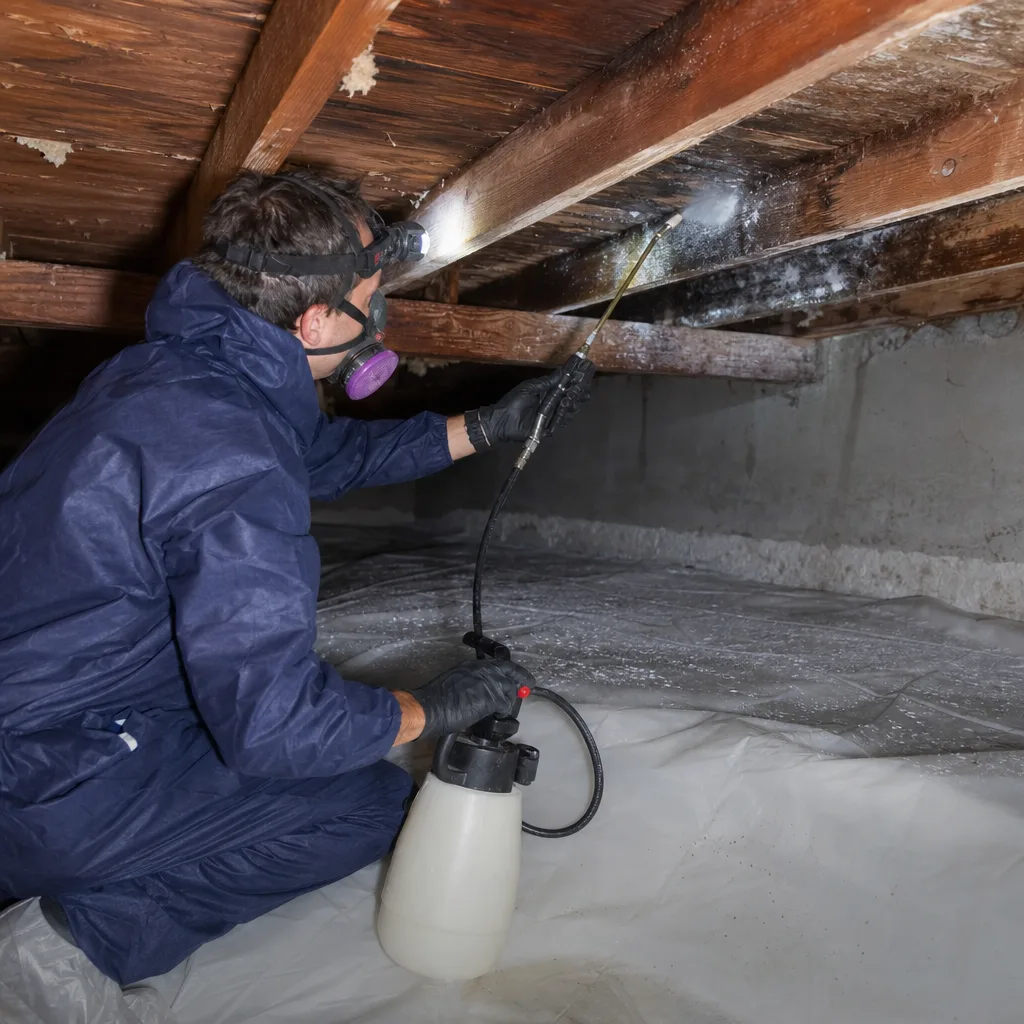
- Using the same contractor for remediation and clearance sampling. Cal/OSHA requires independent third-party clearance. A contractor who offers to “handle everything” including their own clearance is cutting a corner that will cost coverage later.
- Discarding documentation after claim payment. Permit records, inspection sign-offs, and restoration documentation should be retained for the property ownership period plus seven years. These records protect against future coverage disputes and support property basis calculations for tax purposes.
When to Call a Professional
Call a licensed restoration contractor when your damage involves any of these triggers: water affecting structural assemblies, electrical exposure, drywall replacement approaching 100 square feet, mold contamination exceeding 10 square feet, or any fire or smoke damage with potential structural involvement. The permit determination should be made before material is moved, not after.
Water damage restoration in Vista and surrounding areas requires particular attention to permit sequencing because of the multiple trade permits often involved. A supply-line break in a second-story bathroom can trigger building, electrical, and plumbing permits simultaneously. Coordinating inspection sequences so that rough inspections precede cover inspections prevents the costly rework of opened walls.
DryMark Restoration Vista offers free estimates in Vista and can review any competitor’s written estimate at no charge - our Free Second Opinion service. Every estimate includes permit identification and cost, written before any work begins under Haven Standard, Clause 1. Call (760) 539-8990 to schedule documentation-first restoration that protects your claim and your coverage.
Frequently Asked Questions
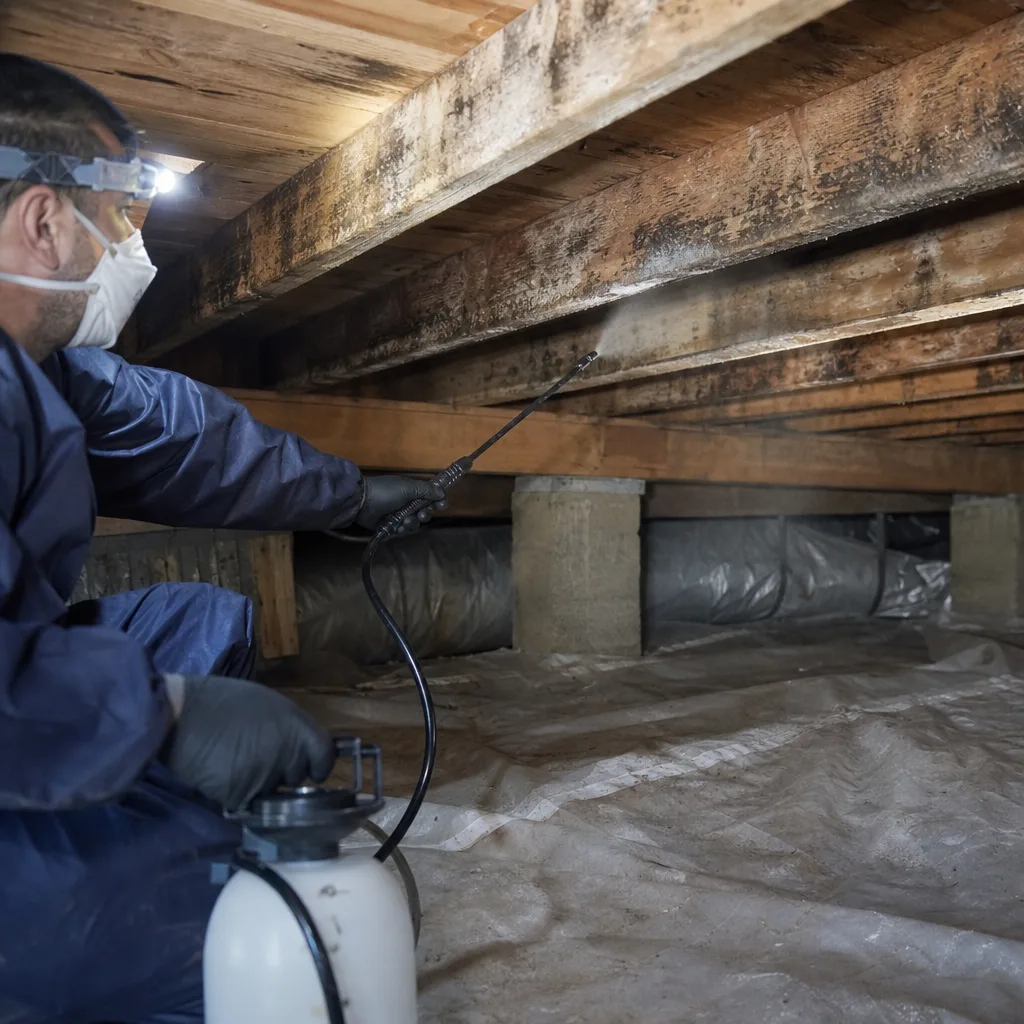
No, mold remediation itself does not require a building permit in Vista or most California jurisdictions. However, if remediation requires removing and replacing drywall, flooring, or other building materials, the replacement work may trigger permit requirements based on square footage or trade involvement. Cal/OSHA regulations independently require written remediation plans, containment documentation, and third-party clearance sampling for mold areas exceeding 10 square feet.
Straightforward restoration permits in Vista are typically issued same-day over the counter at 200 Civic Center Drive. Structural repairs requiring engineering review take 10 business days for plan review. Emergency repair authorizations allowing work to proceed before permit issuance are available with 72-hour follow-up filing. The key is immediate documentation of pre-work conditions to support the emergency request.
Most California homeowners policies cover “reasonable costs” to repair covered damage, which includes permit fees required by law. However, coverage is contingent on proper permitting. Unpermitted work that later requires permitting or rework may not be covered. Document all permit fees in your claim file with copies of permit applications and fee receipts. Photo-document the pre-permit conditions that justified the permit scope.
The homeowner typically bears the consequences: code violation notices, penalties of 200% of permit fees in Vista, potential requirements to remove and redo work, and insurance coverage gaps for future claims. The contractor may face license discipline, but that doesn’t transfer liability from the property owner. Always verify permit status before work begins and request copies of all inspection sign-offs.
Request the final inspection sign-off document from your contractor, then verify it through the City of Vista’s online permit portal or by calling the Building Division with the permit number. The sign-off should include inspection date, inspector identification, and specific code sections verified. Keep this document with your property records permanently. It’s the objective proof that your restoration was completed to code and your insurable condition was reset.
Yes. Insurers investigate permit history for current claims, particularly when damage appears in previously restored areas. Unpermitted work creates a presumption of defective construction that can support denial. Even if the current damage is unrelated, the insurer may argue that pre-existing unpermitted conditions contributed. The only defense is documentation: permits, inspection sign-offs, and restoration records from the prior work. Call (760) 539-8990 if you need help locating or reconstructing documentation for a current claim.
The Bottom Line
California’s permit requirements for damage restoration are specific, granular, and enforceable. The right permit protects your claim, your coverage, and your property value. The wrong permit - or no permit - creates a documentation gap that insurers and buyers will eventually find. In Vista’s climate and regulatory environment, the critical steps are: identify all permit triggers before work begins, sequence permits ahead of remediation and repair, document every inspection sign-off, and retain records for the life of your ownership. The final inspection sign-off is not bureaucratic box-checking. It’s the timestamp that resets your insurable condition and the documentation that closes your claim without future dispute.
Written by Alicia Brennan, Owner at DryMark Restoration Vista, serving Vista since 2011.