
Last updated September 23, 2026
Free visual inspection and a written scope of work before any mitigation begins - photos, moisture readings, and drying logs go in your claim file
The scope we write is the scope we bill. Anything new gets shown to you, in writing, before we touch it.
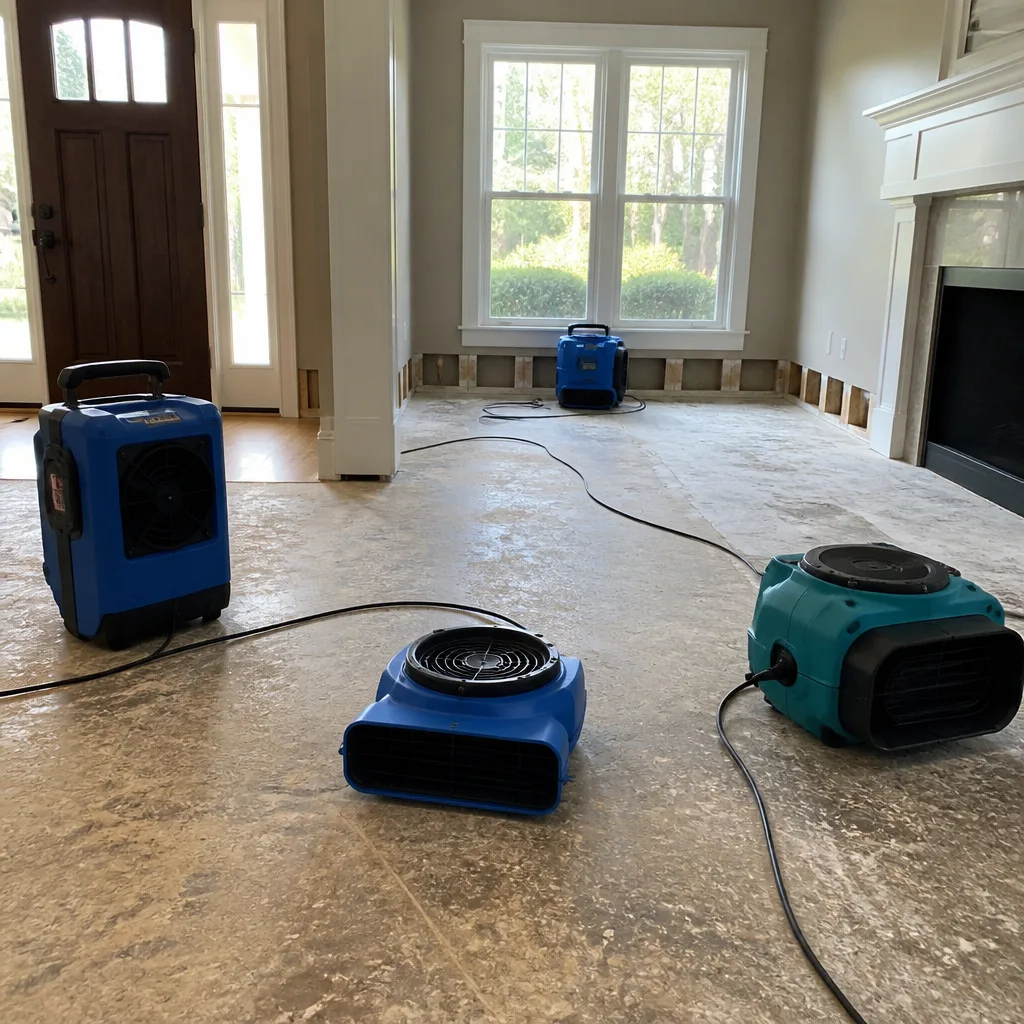

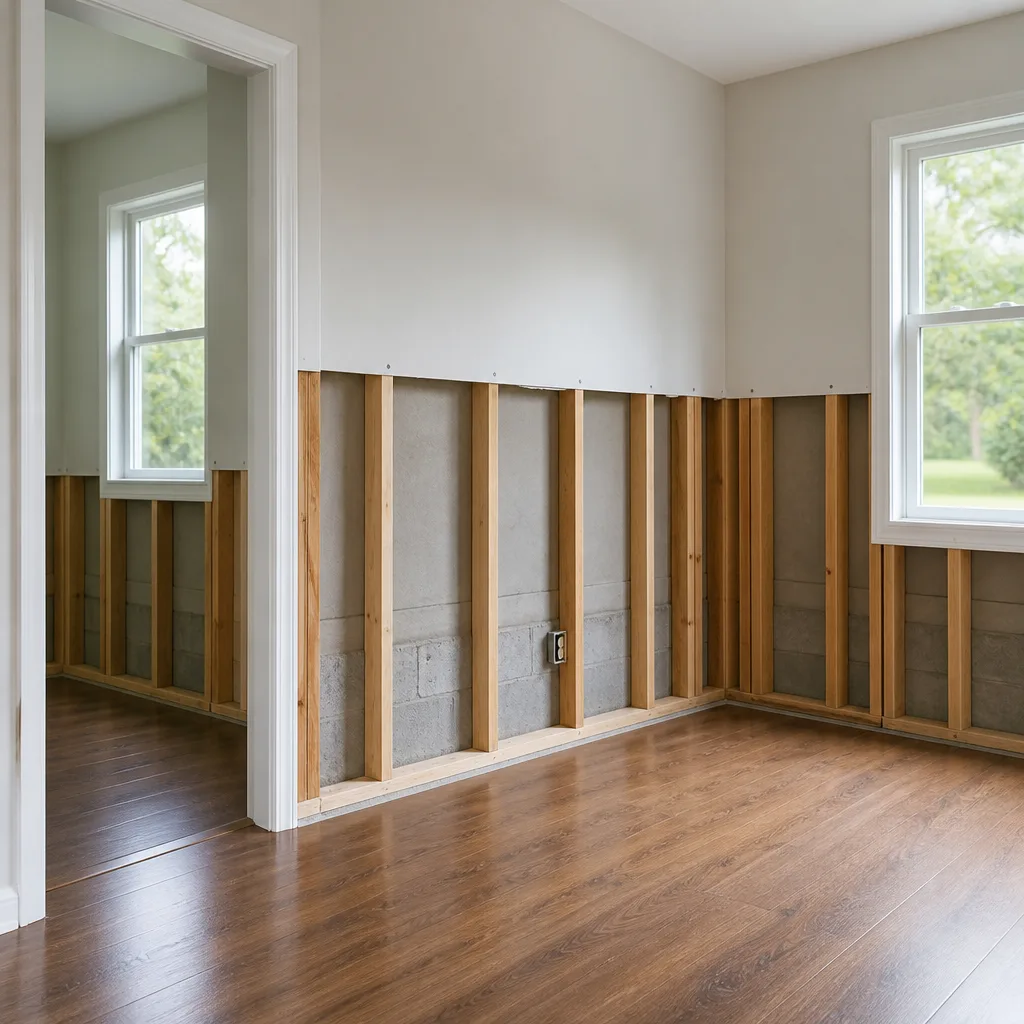

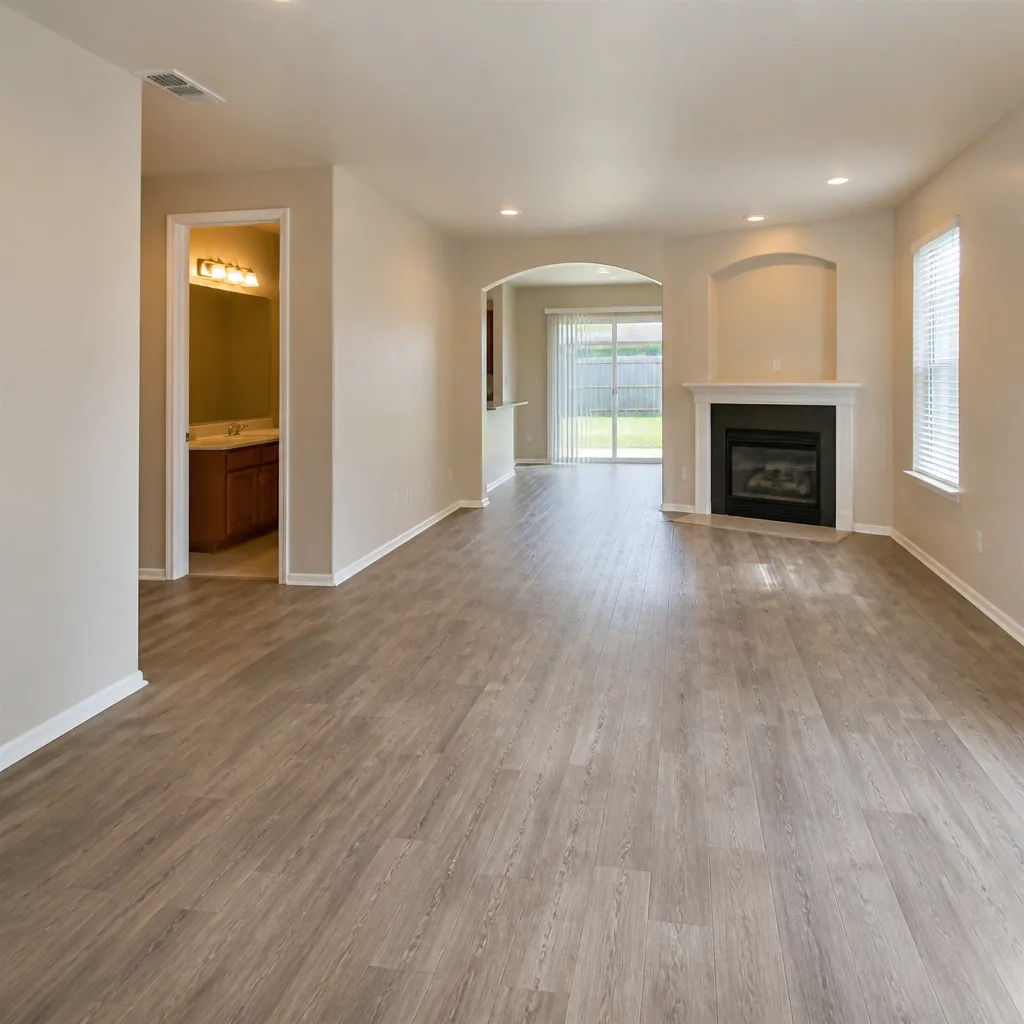
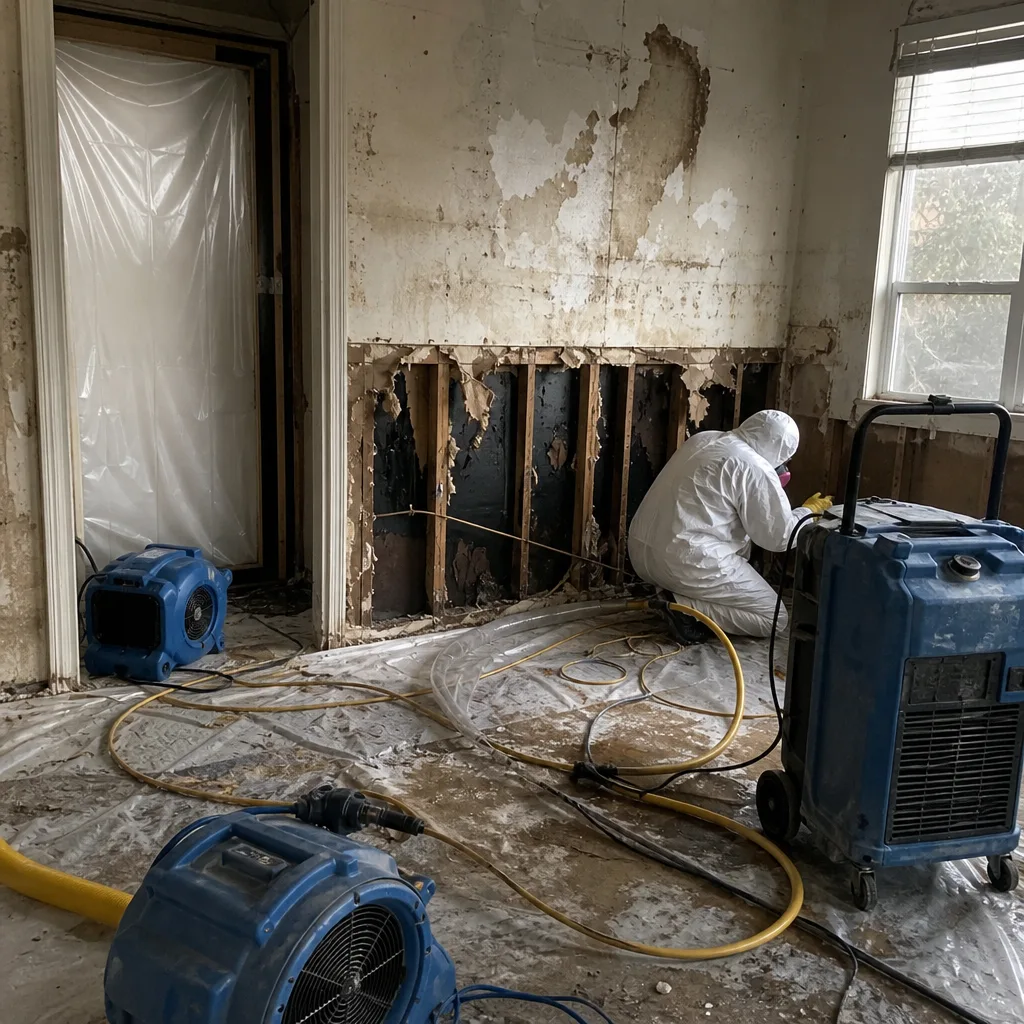 Before
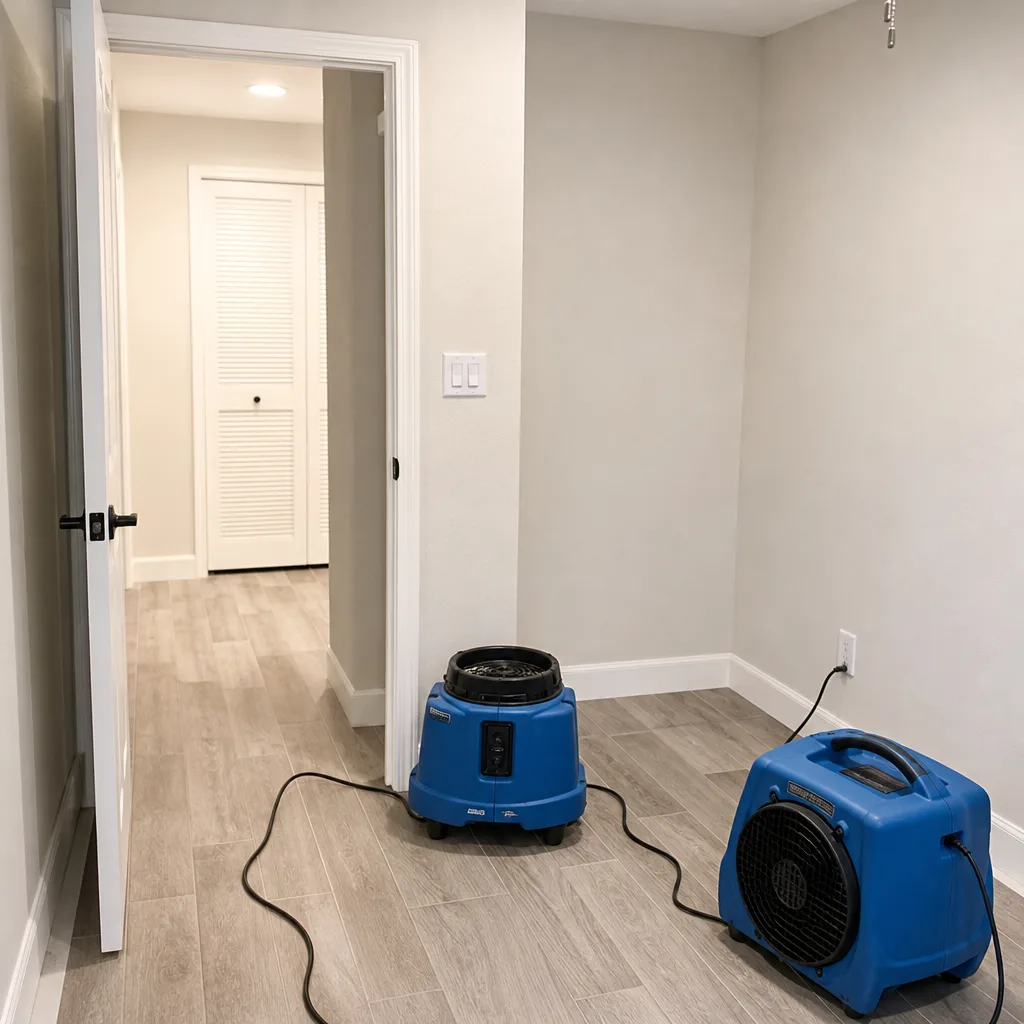 After
After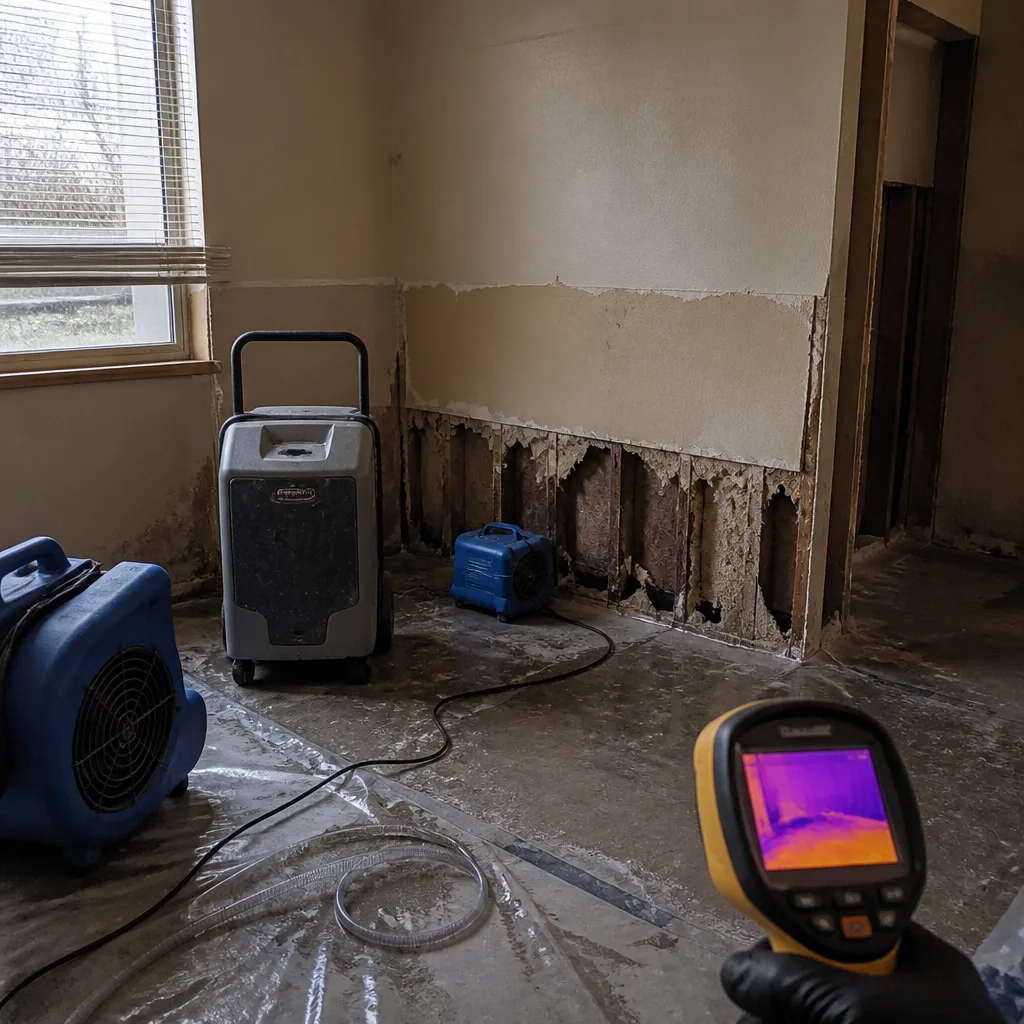 Before
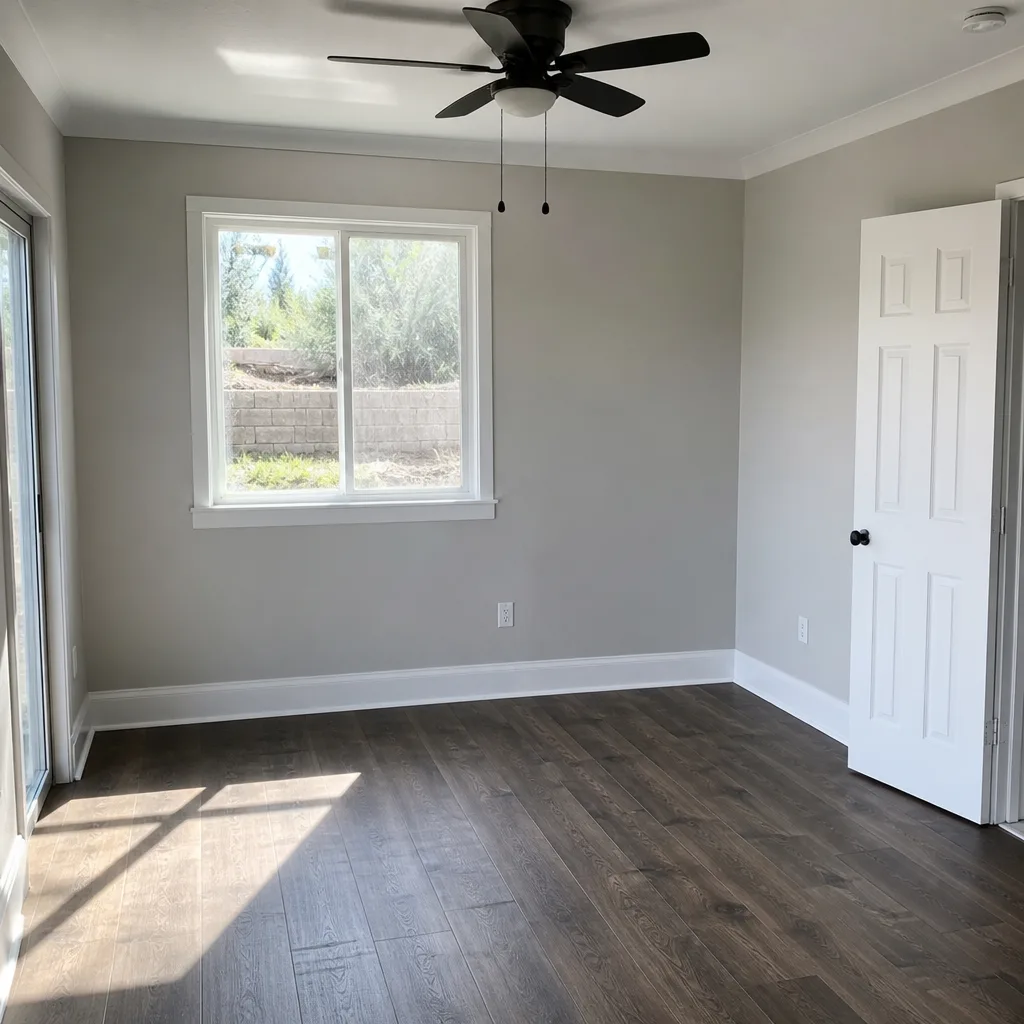 After
After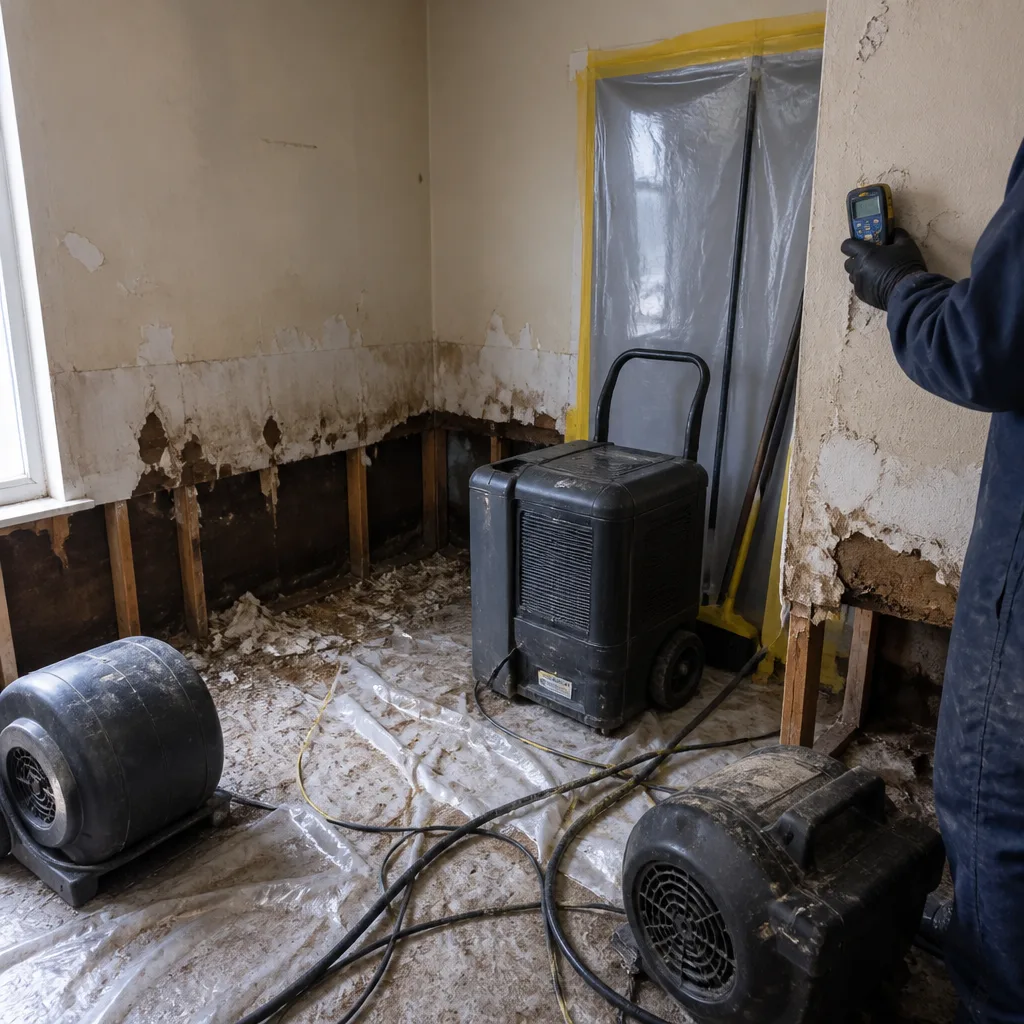 Before
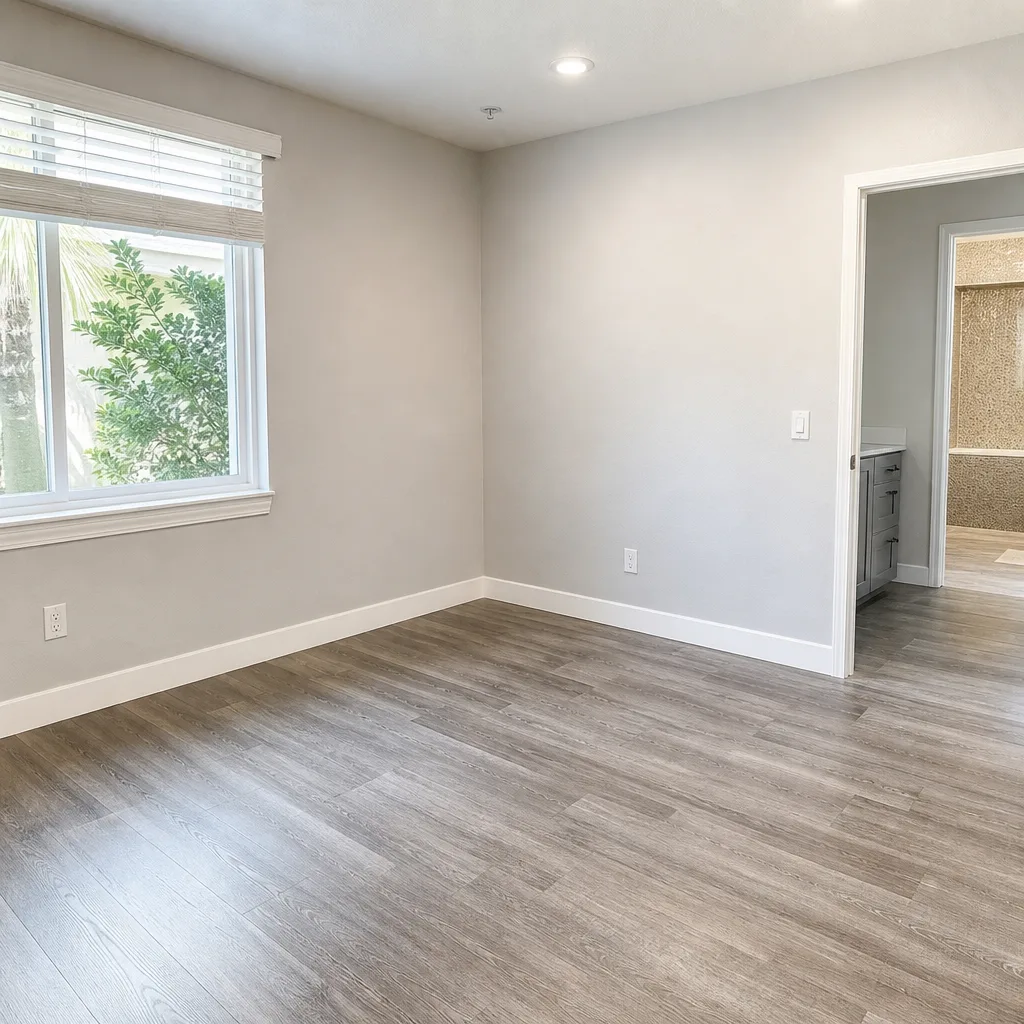 After
AfterHow to Hire a Damage Restoration Contractor in Vista: A Step-by-Step Guide
Most Vista homeowners who call us after a water loss have already signed an authorization form that contains no price cap, no equipment list, and no defined endpoint for drying. In our experience reviewing competitor paperwork across North County San Diego, roughly seven out of ten authorization forms we see are functionally blank checks - and the homeowner signed them while standing in two inches of kitchen water, trusting that “emergency” status meant the pricing would be fair. It rarely is. This guide - along with our Complete Guide to Damage Restoration in Vista - teaches you to evaluate a restoration contractor by their paperwork before anyone touches your drywall, because the quality of the pre-work written scope is the single filter that separates contractors who win insurance claims from those who create supplemental billing nightmares six months later.
Quick Answer
Hiring a damage restoration contractor in Vista starts with demanding a written, line-item scope with a fixed price before any work begins, then verifying that the contractor’s California license classification legally permits the work they propose. Check that their insurance certificate names your property address, review their authorization form for open-ended assignment of benefits clauses, and confirm their drying plan specifies target moisture readings and per-day equipment rates. The contractor who resists any of these steps is not saving you time - they’re protecting their ability to bill without a ceiling.
Table of Contents
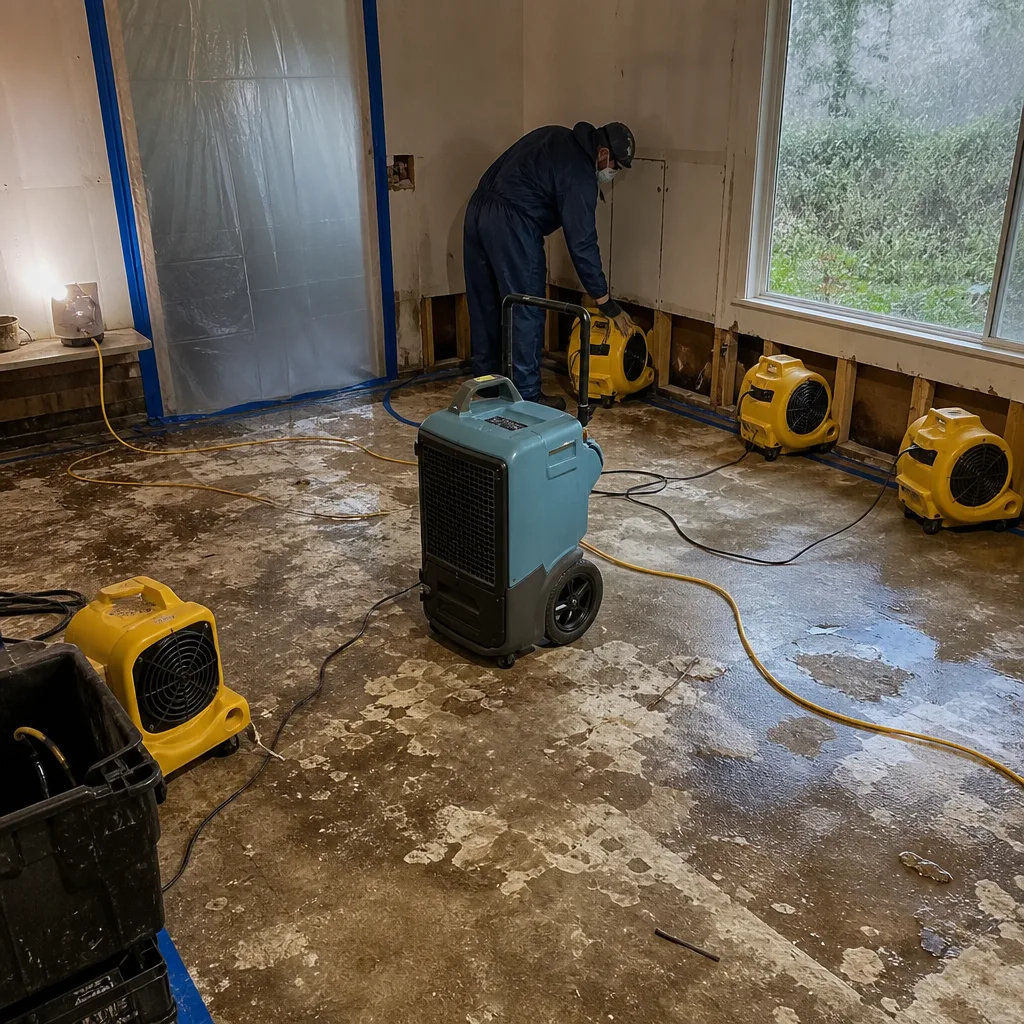
- Why the Written Scope Matters More Than Reviews or Speed
- The Three California License Classifications That Matter for Restoration
- How to Read a Xactimate Estimate Versus a Contractor’s Own Scope
- What a Valid Pre-Work Written Price Must Contain
- Red Flags in Authorization Language
- How to Verify a Contractor’s Insurance Certificate Names Your Property
- Vista-Specific Considerations: Climate, Codes, and Common Loss Types
- Common Mistakes to Avoid
- When to Call a Professional
- Frequently Asked Questions
- The Bottom Line
 Before
 After
AfterWhy the Written Scope Matters More Than Reviews or Speed
The standard advice for hiring any contractor - check reviews, verify license, get three quotes - fails in restoration because it treats the job like a kitchen remodel. Restoration is different. You’re hiring under duress, often with active water migration or mold amplification, and the work begins before you have time to comparison-shop thoroughly. The contractor who arrives fastest is not necessarily the contractor who documents well enough to get your claim paid.
We’ve reviewed thousands of claim files since 2011, and the pattern is consistent: the jobs that require supplemental billing, the ones where homeowners call us six months later asking why their insurer denied $14,000 in equipment charges, all share one trait. The original contractor provided a one-page authorization with a signature line and a promise to “work with your insurance.” No line-item equipment. No per-day rates. No moisture target. No written price before work began.
Water damage restoration in Vista follows the same IICRC S500 standards as anywhere else, but the local market has its own documentation culture. Some North County contractors have built business models around rapid response followed by open-ended billing. Their paperwork is designed to get a signature, not to create a defensible claim file. The reviews may be glowing - the homeowner won’t know there’s a problem until the Explanation of Benefits arrives.
The written scope is your protection. It forces the contractor to define the work before emotions run high and before water keeps moving through your subfloor. A proper scope includes: affected square footage by room, material classification of wet surfaces (Category 1, 2, or 3 water), equipment type and count with per-day rates, target moisture content for each material class, and a fixed total or not-to-exceed price. If the contractor tells you this level of detail is “impossible before we start,” that is precisely when you need it most. Haven Standard, Clause 1 exists because we have never encountered a loss where a written price could not be established before work began - and we have handled losses from single-room overflows to multi-unit flood events in Vista since 2011.
The Three California License Classifications That Matter for Restoration
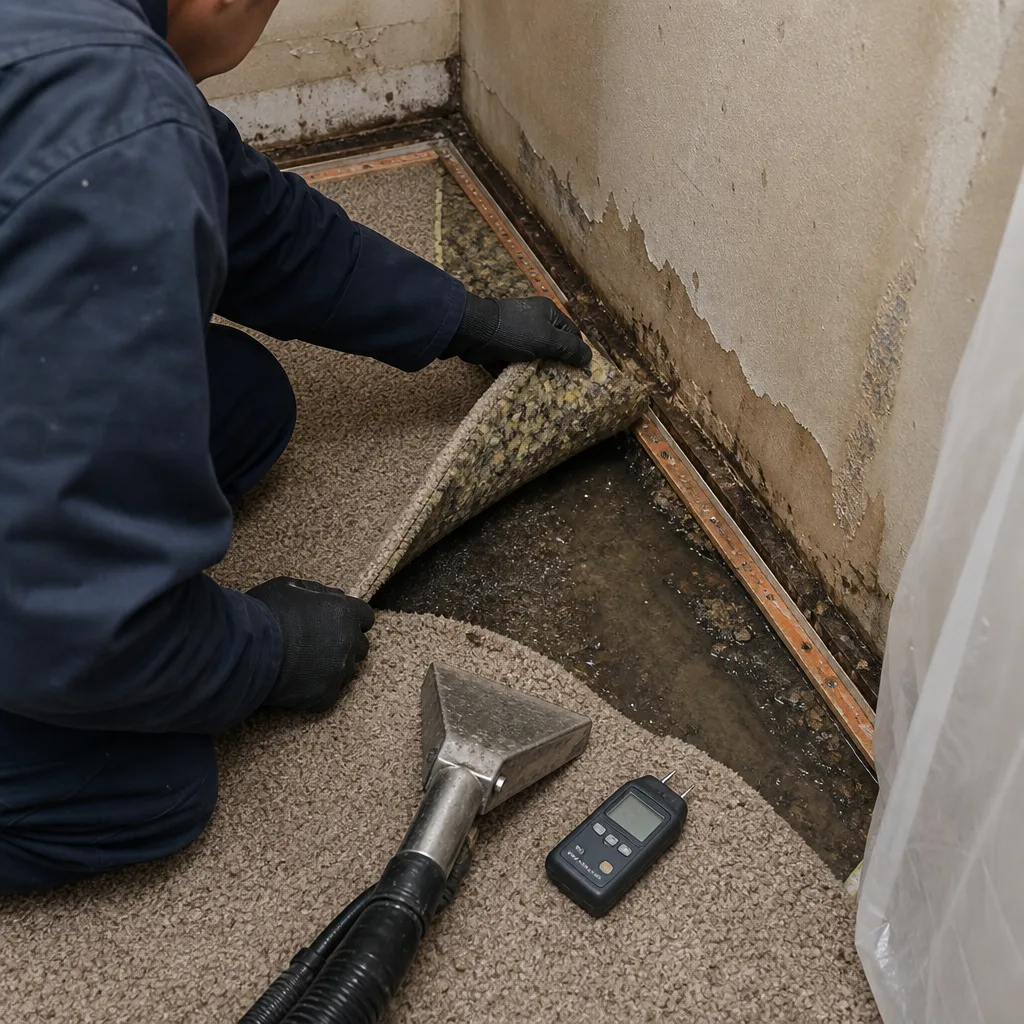
California contractors’ licenses are not interchangeable, and restoration work frequently crosses classification boundaries. A contractor performing work outside their licensed classification is performing illegally, and their insurance may not cover the loss. Here are the three classifications relevant to most Vista restoration scenarios:
B-General Building Contractor. This is the broadest classification and the most common among restoration companies. A B-licensed contractor can perform work involving two or more unrelated trades on a single project. For a typical water loss, this might include drywall removal, insulation replacement, and flooring installation. However, a B contractor cannot perform plumbing, electrical, or HVAC work as standalone trades - they must subcontract licensed specialists or hold additional classifications. If your restoration scope includes rewiring a flooded electrical panel or replacing a failed water heater, verify who holds the C-10 or C-36 license for that portion.
C-61/D-64 (Non-Specialized). This limited specialty classification permits specific restoration activities including water extraction, drying, and cleaning. Some Vista-area companies operate under this classification for mitigation-only work, then subcontract reconstruction to B-licensed firms. There is nothing improper about this arrangement, but it must be disclosed in writing. If your contractor holds only a C-61/D-64, they cannot legally perform structural repairs, and their estimate should clearly separate mitigation from reconstruction with named subcontractors for the latter.
Asbestos Certification (CAC or HAZ). Homes in Vista built before 1980 frequently contain asbestos-containing materials (ACM) in flooring mastics, popcorn ceilings, and pipe insulation. Disturbing these materials without proper certification violates California Code of Regulations Title 8, Section 1529. Any contractor proposing demolition in a pre-1980 home must provide their CAC certification number or subcontract to a certified asbestos abatement contractor. We have encountered B-licensed contractors in Vista who performed demolition without ACM testing, exposing homeowners to liability and health risk. Ask for the certification. If they hesitate, stop the conversation.
To verify any license, use the California State License Board’s license check tool. Enter the license number from the contractor’s paperwork - not their business card - and confirm the status is “Active,” the classification matches the work proposed, and the workers’ compensation coverage is current if the contractor employs anyone.
How to Read a Xactimate Estimate Versus a Contractor’s Own Scope
Most insurance carriers in California use Xactimate, the industry-standard pricing software, to estimate restoration costs. Many Vista contractors also use Xactimate to prepare their scopes. The fact that a contractor uses Xactimate does not mean their estimate matches the carrier’s. Understanding the difference protects you from balance billing.
Xactimate prices are derived from localized cost data, updated quarterly, based on actual contractor bids and material costs in the San Diego market. The software generates line-item costs for each activity: water extraction, equipment setup, daily equipment rental, demolition, disposal, and reconstruction. Each line item includes labor, material, equipment, and overhead/profit.
When a contractor provides a Xactimate estimate, request the Xactimate PDF with line-item detail, not a summary page. Here’s what to compare:
- Line-item count. A legitimate Xactimate estimate for a moderate water loss in a Vista single-family home typically contains 40-80 line items. A summary with six categories - “mitigation,” “dryout,” “rebuild” - is not a Xactimate estimate; it is a contractor’s internal summary, and you cannot verify it against carrier pricing.
- Equipment daily rates. Xactimate lists specific equipment types: LGR dehumidifier, air mover, air scrubber, etc. Each has a published daily rate for the San Diego market. If your contractor’s “drying equipment” line item lacks equipment type and count, you cannot verify whether the total aligns with Xactimate or exceeds it by 200%.
- Overhead and profit (O&P). Xactimate applies 10% overhead and 10% profit to trades where the contractor performs three or more trades. Some contractors add O&P manually; some omit it and later claim the carrier “doesn’t pay it.” Neither approach helps you. The written scope should state whether O&P is included and at what percentage.
- Depreciation. On reconstruction, carriers often depreciate materials based on age. Xactimate calculates this automatically. If your contractor’s scope shows full replacement cost with no depreciation note, ask whether they will collect the recoverable depreciation from the carrier or bill you for the difference.
When the contractor’s numbers don’t match the carrier’s estimate, the gap is not automatically the carrier’s fault. Common discrepancies we see in Vista:
- Scope differences. The contractor included rooms the carrier did not, or omitted rooms the carrier identified. Walk both estimates room by room with the contractor and adjuster present.
- Line-item substitutions. The contractor used a higher-grade material code than the carrier. Each Xactimate code corresponds to a specific material specification. Ask the contractor to read the material description for their code aloud, then compare to the carrier’s.
- Regional pricing variance. Xactimate updates San Diego pricing quarterly, but rapid material cost changes can create temporary gaps. If the contractor claims this, ask for the Xactimate price list effective date and the specific line items in dispute.
Our Free Second Opinion on Any Written Estimate exists precisely for this scenario. Bring us a competitor’s Xactimate estimate or their internal scope, and we will review it against current San Diego pricing at no charge. We have identified $3,000-$8,000 discrepancies in competitor estimates that the homeowner would have paid out of pocket.
What a Valid Pre-Work Written Price Must Contain
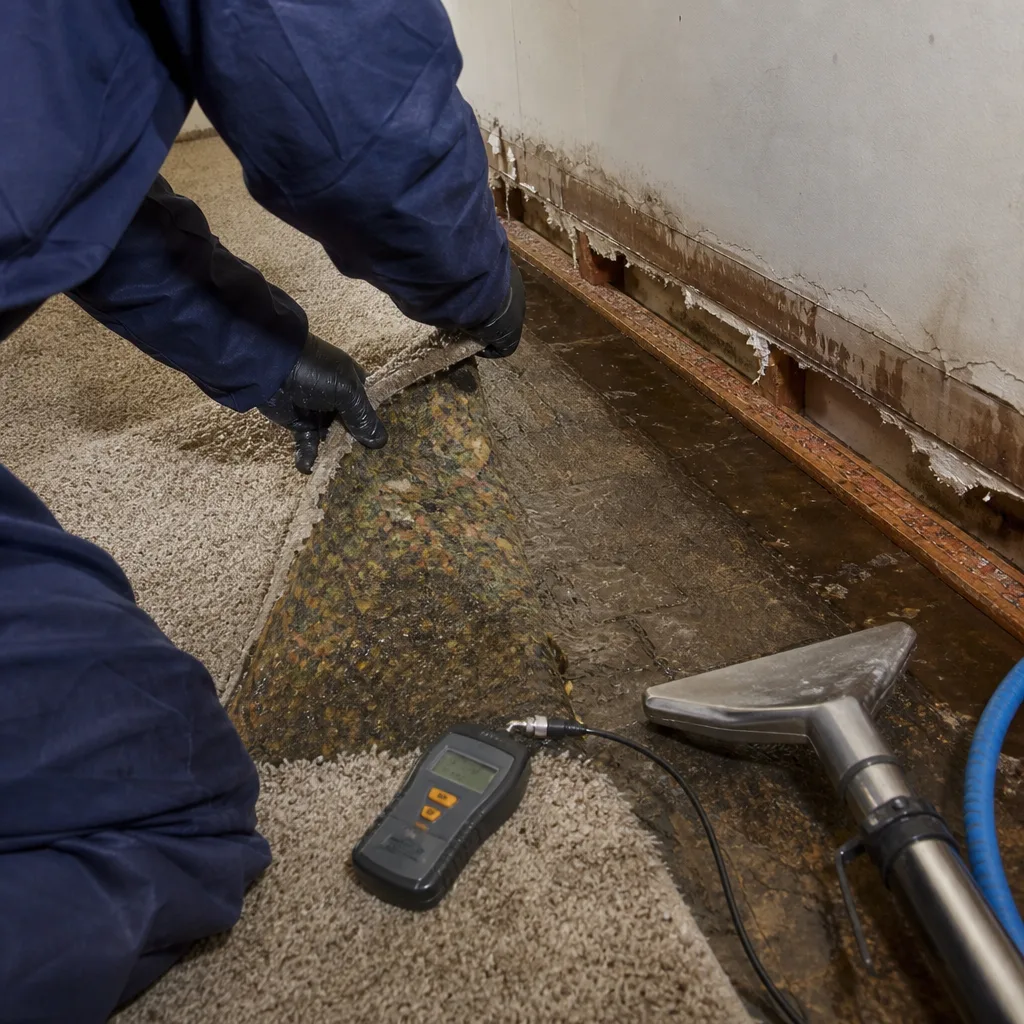
Haven Standard, Clause 1 requires a written price before any work starts, every time, with no exceptions. This is not a marketing preference; it is the documentation standard that prevents the supplemental billing cycles we see destroy homeowner finances. Here is what that written price must include to be defensible to an insurer and protective of your interests:
Line-item equipment with per-day rates. Every dehumidifier, air mover, air scrubber, and specialty drying system must be listed by manufacturer and model, with a daily rental rate and anticipated duration. For example: “Dri-Eaz LGR 7000XLi dehumidifier, $38/day, estimated 4 days.” This permits you to verify the rate against Xactimate or market pricing, and it prevents the common tactic of billing “equipment” as a lump sum without supporting detail.
Defined moisture target for job completion. A drying job without a target is a job that can continue indefinitely. The written scope must specify the target moisture content for each affected material class, typically expressed as a percentage of moisture content (MC%) for wood or equilibrium moisture content (EMC) for gypsum. For example: “Subfloor oak: target ≤12% MC; drywall: target ≤0.5% above dry standard per IICRC S500.” The contractor should establish dry standard readings from an unaffected area of your home at the start of the job, document them, and reference them in the scope.
Per-visit documentation commitment. The scope should state how often the contractor will monitor the job and what documentation you receive. Our standard is daily drying logs with psychrometric data - temperature, relative humidity, and specific humidity readings - plus photo documentation on every visit. Psychrometric data measures the air’s capacity to absorb moisture; specific humidity tells us whether the dehumidifiers are actually removing water vapor or just circulating air. Without this data, you cannot verify that drying is progressing.
Material classification and disposal. The scope must classify water damage by category (1, 2, or 3) and affected materials by class (1-4). Category 3 water - sewage or ground surface water - requires different handling and disposal protocols than Category 1. Class 4 materials, such as plaster or dense hardwoods, require specialized drying techniques and extended timelines. If your scope lacks these classifications, the contractor has not performed a proper assessment.
Total price or not-to-exceed ceiling. The written price must be either a fixed total or a not-to-exceed amount based on defined variables. “Time and materials” with no cap is not a written price under Haven Standard, Clause 1. If the contractor claims unforeseen conditions may increase the price, the scope should define what conditions trigger a change order and how that change order will be documented and approved before additional work proceeds.
DryMark Restoration Vista home provides this documentation on every job. Our written scopes average 4-6 pages for a standard residential water loss, and we review them with the homeowner before any equipment is placed.
Red Flags in Authorization Language
The authorization form is where most homeowners surrender control. These documents are drafted by restoration company attorneys, not by consumer advocates, and they are designed to maximize billing flexibility. Here are specific clauses that should trigger immediate revision or rejection:
Open-ended assignment of benefits (AOB). An AOB transfers your insurance claim rights to the contractor, allowing them to bill your insurer directly and, in some cases, sue your insurer in your name. California permits AOBs in restoration, but they must be limited in scope and duration. A valid AOB specifies the exact work authorized, the maximum dollar amount, and a termination date. If the AOB states “all proceeds from any and all insurance claims related to the loss” without limitation, do not sign. We have seen Vista homeowners discover months later that their contractor had filed supplemental claims they never authorized.
‘Emergency rates’ not pegged to a published price list. Some contractors charge 1.5x or 2x “emergency rates” for after-hours or holiday response. This is not inherently improper, but the multiplier must be defined in a published price list provided before the emergency occurs. If the contractor mentions emergency rates for the first time while standing in your flooded living room, the rate is whatever they decide. Ask for their standard and emergency rate schedules in writing before any work begins. If they cannot produce them, the rate does not exist in any verifiable form.
Direction to pay / irrevocable instructions. These clauses direct your insurer to pay the contractor directly, bypassing you entirely. While convenient, they remove your ability to review the final invoice for accuracy before payment. If the contractor overbills or bills for work not performed, you have already lost leverage. A better arrangement: the contractor bills you, you review against the written scope, and you forward to your insurer for reimbursement. This preserves your rights and creates a documentation trail.
Waivers of lien without payment verification. California mechanics lien law protects contractors’ right to payment, but some authorization forms require you to waive lien rights before work is complete or before you’ve verified your insurer has paid. Never waive lien rights until you have a final invoice, a certificate of completion, and confirmation from your insurer that payment has been issued or denied.
Vague scope descriptions. “Dry structure to industry standards” or “perform necessary mitigation” is not a scope. It is a blank check. Every activity must be defined with measurable outputs: square feet of affected area, number of equipment units, target moisture readings, and number of monitoring visits. If the authorization references an attached scope, verify the attachment is present, numbered, and signed by both parties.
How to Verify a Contractor’s Insurance Certificate Names Your Property
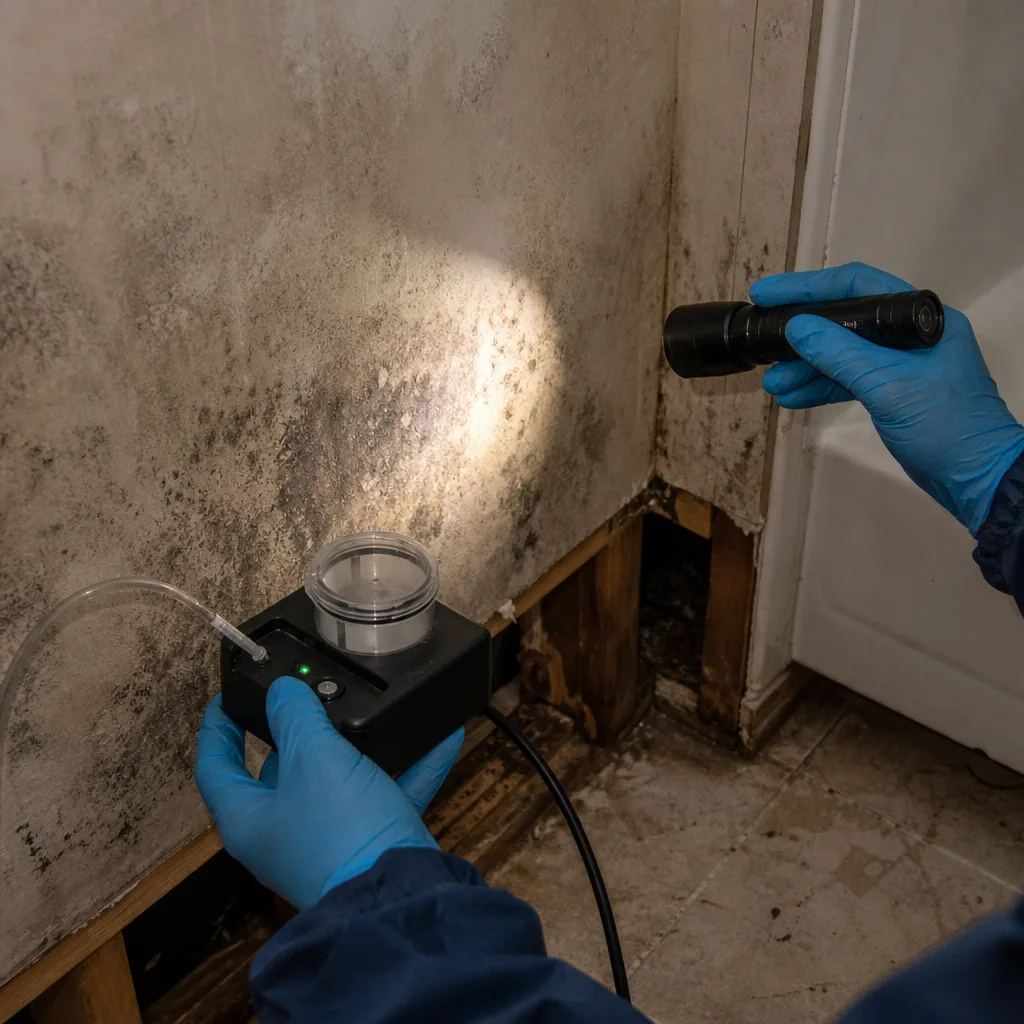
General liability and workers’ compensation certificates are standard requests, but most homeowners don’t know what to look for beyond the expiration date. Here’s the specific verification process:
- Request the certificate directly from the contractor’s insurance agent or broker. Do not accept a PDF from the contractor alone. Call the agent using contact information from the insurance company’s website, not from the certificate itself, and request confirmation that coverage is active. This prevents the common fraud of altered certificates.
- Verify general liability limits. For residential restoration in Vista, minimum adequate coverage is $1 million per occurrence and $2 million aggregate. However, the critical detail is whether the policy includes “completed operations” coverage. Some contractors carry liability only for active work; once they leave your property, coverage ends. Completed operations extends to defects or failures that manifest after the crew departs. If your scope includes reconstruction, completed operations is essential.
- Check for “your work” exclusions. Some liability policies exclude damage caused by the contractor’s own work product. A contractor who floods your home during drying system setup, then discovers their policy excludes “work performed by the named insured,” has no coverage for the damage they caused. Ask the agent directly: “Does this policy contain a your-work exclusion, and if so, how does it apply to water damage mitigation?”
- Verify workers’ compensation for all employees. California requires workers’ compensation for any contractor with employees. Uninsured workers on your property create direct liability for you if they are injured. The certificate should list the contractor’s FEIN and show no lapse in coverage. If the contractor claims all workers are “independent contractors,” this is likely misclassification under California AB5, and you should consult your insurer before proceeding.
- Request additional insured status for your property address. This is the step most homeowners miss. Ask the contractor to have their insurer issue a certificate naming you and your property address as additional insured for the specific project. This provides direct coverage under their policy for claims arising from their work at your location. The certificate should state your name, your property address in Vista, and the project dates. If the contractor refuses this request, their insurance is not structured to protect you - it is structured to protect them.
We provide current certificates of insurance with additional insured endorsements on every Vista job upon request. Our general liability includes completed operations coverage, and our workers’ compensation policy covers every uniformed technician who enters your home.
Vista-Specific Considerations: Climate, Codes, and Common Loss Types
Vista’s climate and housing stock create specific restoration challenges that a generic contractor may not address properly in their scope; see our Seasonal Damage Restoration Care for Vista: Year-Round Homeowner’s Guide for additional context. Understanding these factors helps you evaluate whether a contractor has actually assessed your situation or applied a template.
Marine layer moisture and delayed discovery. Vista’s proximity to the coast means morning marine layer humidity frequently exceeds 80% from May through August. A contractor who sets drying equipment without accounting for exterior humidity will struggle to reach target moisture levels, extending the job and increasing equipment rental costs. Proper scopes for Vista include dehumidification capacity sized for local conditions, not inland desert standards. We size our Dri-Eaz and Phoenix dehumidifier deployments using psychrometric calculations that factor Vista’s typical 65-85% morning humidity during peak season.
Slab-on-grade construction with radiant heating. Many Vista homes built between 1960 and 1990, particularly in neighborhoods like Shadowridge and Vista Valley, use slab-on-grade foundations with embedded radiant heating tubes. Water losses in these homes require careful assessment: moisture migrates horizontally under the slab, and aggressive demolition can sever heating lines that are no longer manufactured. A contractor proposing extensive slab-area demolition without thermal imaging to locate heating tubes has not performed adequate assessment. We use infrared cameras to map radiant loops before any concrete work.
Wildfire smoke intrusion from regional fires. Vista’s position downwind from inland fire zones means smoke damage claims spike during Santa Ana wind events, even when no local fire threatens the property. Smoke particulate - particularly PM2.5 and volatile organic compounds from structural combustion - penetrates HVAC systems and settles in porous materials. Fire and smoke damage restoration in Vista requires HEPA air scrubbing, duct cleaning with source removal equipment, and surface testing for char and soot residue. A contractor who proposes “airing out” the house with fans is not performing restoration; they are redistributing contamination.
County of San Diego permit requirements. Restoration work that involves structural repair, electrical, or plumbing requires permits from the County of San Diego or the City of Vista, depending on jurisdiction. Reconstruction in unincorporated Vista areas falls under county inspection; work within city limits requires city permits. A contractor who proposes to “handle permits later” or suggests you “don’t need them for insurance work” is exposing you to code violations and potential claim denial. Our scopes specify which permits are required, who will obtain them, and the inspection schedule before reconstruction begins.
Hard water and appliance failures. Vista’s municipal water supply, sourced from the San Diego County Water Authority, has moderate hardness (approximately 270 ppm as CaCO3). This contributes to accelerated failure in water heaters, washing machine hoses, and refrigerator supply lines - three of the most common loss sources we see in Vista homes. When a contractor assesses a water loss, they should identify the source appliance and document its age and condition. This information supports your claim and helps prevent recurrence. We document source appliances with photos and serial numbers as standard practice.
Common Mistakes to Avoid
- Signing authorization before reading the scope attachment. In Vista’s competitive restoration market, some contractors arrive with a clipboard and urgency, separating the authorization form from the scope “for your convenience.” The scope is never separate from the authorization. Read both, together, before signing anything.
- Assuming the insurance adjuster vetted the contractor. Adjusters recommend contractors based on response speed and claim volume, not documentation quality. The adjuster’s interest is claim closure; your interest is complete restoration with no supplemental billing. These interests overlap but are not identical.
- Accepting “we’ll bill insurance” as a pricing strategy. This phrase means the contractor has not given you a written price. Haven Standard, Clause 1 exists because “we’ll bill insurance” is how $40,000 mitigation bills happen on $15,000 losses. Demand the written scope regardless of who pays.
- Neglecting to photograph the loss before the contractor arrives. Your photos establish the pre-mitigation condition for your claim. Walk through with your phone, date-stamped, room by room, before anyone moves furniture or extracts water. If the contractor’s documentation later conflicts with your memory, your photos resolve the dispute.
- Choosing the first contractor who answers at 2 a.m. Emergency response matters, but the contractor who answers live at 2 a.m. and the contractor who documents properly are not always the same. In Vista, we provide 24/7 live phone coverage with no voicemail, and we still deliver a written scope before work begins. Speed and documentation are not mutually exclusive.
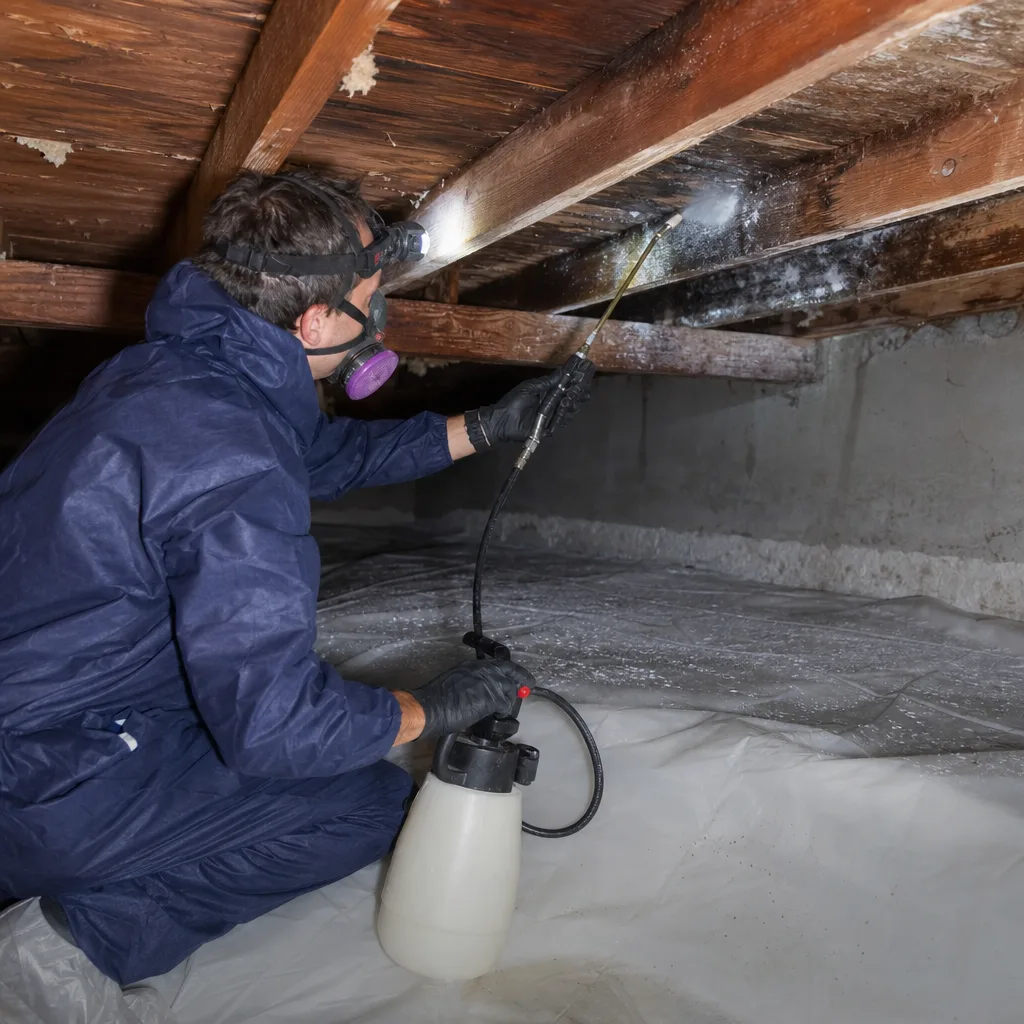
- Failing to verify mold remediation certification separately. Mold remediation in Vista requires specific training and, for projects over 100 square feet, a C-61/D-64 or asbestos certification depending on material disturbance. A water damage contractor who “also does mold” without showing mold-specific training credentials is not qualified. Ask for IICRC Applied Microbial Remediation Technician (AMRT) certification or equivalent.
- Ignoring the reconstruction scope until mitigation is “done.” Some contractors specialize in mitigation and treat reconstruction as an afterthought. By the time you discover their reconstruction estimate is 40% above market, your home is stripped to studs and you have no leverage. Request the full mitigation and reconstruction scope before authorizing any work, or confirm in writing that you are free to select a different contractor for reconstruction.
When to Call a Professional
Not every water spot requires a restoration contractor. A small overflow from a sink, caught within minutes, with no migration to walls or flooring, can often be addressed with extraction and drying by the homeowner, followed by monitoring for 48 hours. But certain scenarios in Vista demand immediate professional assessment:
Water that has reached wall cavities, subflooring, or ceiling spaces; any water loss originating from a drain line, toilet, or exterior source (Category 2 or 3); visible mold growth or a musty odor indicating hidden amplification; fire or smoke damage of any scale, given the complexity of particulate remediation; and any loss where your insurer has already assigned an adjuster, as documentation requirements escalate significantly once the claim is active.
DryMark Restoration Vista offers free estimates in Vista, and you can explore more guides & resources on our blog. Our assessment includes moisture mapping with pin and non-invasive meters, a written scope with line-item pricing, and a photo record before any work is proposed. Call (760) 539-8990 to schedule. For active water losses, we provide 24/7 live dispatch with no voicemail - a real person answers every call, every hour, because water does not wait for business hours.
Frequently Asked Questions
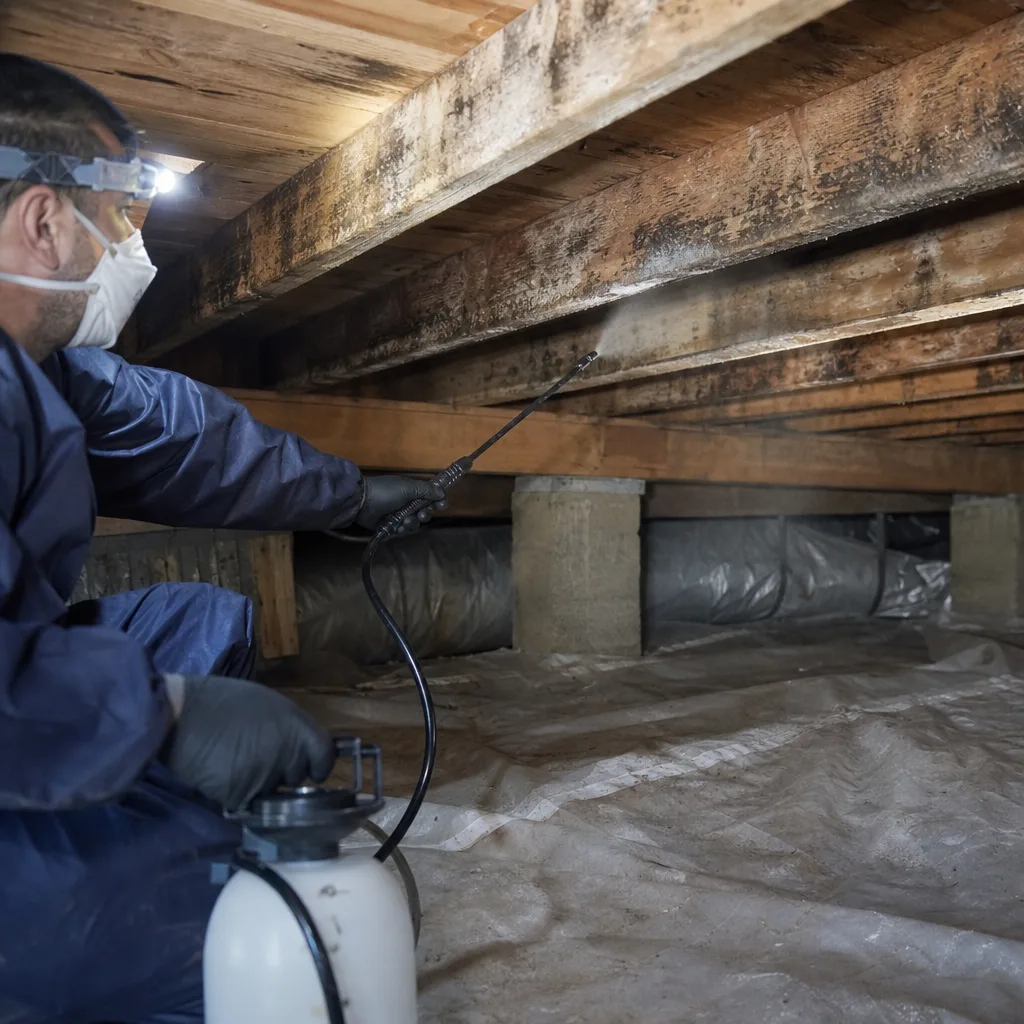
Typical residential water damage mitigation in Vista ranges from $1,800 for a contained single-room dryout to $8,500 for a whole-house extraction with extensive Class 4 material drying, with reconstruction adding $15-$45 per square foot depending on finish level. The critical factor is not the total but the documentation: a contractor who provides line-item equipment rates and a defined moisture target before work begins will almost always cost less than one who bills retrospectively. Call (760) 539-8990 for a written estimate - assessments are free.
Most standard homeowner policies in California cover sudden and accidental water damage, subject to your deductible and policy limits, but coverage depends heavily on documentation quality. The insurer pays what they can verify: photos, moisture logs, and a written scope that matches the loss. Contractors who provide vague invoices create coverage gaps that become your out-of-pocket cost. We document to IICRC, RIA, and IFA standards specifically to close these gaps and produce payable claims.
For active water losses, DryMark Restoration Vista dispatches within 60-90 minutes during normal coverage hours and maintains 24/7 live phone answering with no voicemail. However, speed of arrival should never substitute for quality of documentation. The contractor who arrives in 30 minutes with no scope is not preferable to the contractor who arrives in 90 minutes with a written plan. Ask about both response time and documentation commitment when you call.
California does not regulate mold remediation by square footage alone, but IICRC S520 standards define remediation as necessary when visible mold growth exceeds 10 square feet or when hidden mold is suspected based on moisture history and odor. “Cleaning” without source removal and moisture correction is temporary and may spread spores. We perform air and surface sampling when indicated, but our primary assessment tool is moisture mapping: find the water source, eliminate it, and the mold problem becomes solvable. Call (760) 539-8990 for a mold assessment with written scope.
You retain final responsibility for your claim, but a qualified contractor should handle direct adjuster communication as part of their service. We provide photo-documented scopes, daily drying logs, and line-item Xactimate estimates that adjusters can review without repeated site visits. This reduces your administrative burden and accelerates claim resolution. We do not accept assignment of benefits without written limits, and we keep you copied on all adjuster correspondence so you maintain visibility.
Stop the water source if safe to do so; turn off electricity to affected areas at the breaker if water has reached outlets or switches; remove small valuables and documents from the affected area; and photograph everything before moving or extracting. Do not enter standing water over ankle depth, operate electrical equipment in wet areas, or attempt to remove saturated drywall or insulation yourself - these activities carry injury risk and may compromise your claim documentation. Our live dispatcher will guide you through immediate steps when you call (760) 539-8990.
The Bottom Line
The contractor you hire after a loss in Vista will determine whether your insurance claim is paid without dispute or becomes a six-month supplemental billing nightmare. The filter that separates these outcomes is not speed, reviews, or rapport - it is the quality of the pre-work written scope. Demand line-item equipment with per-day rates, defined moisture targets, documented photo records on every visit, and a fixed or not-to-exceed price before anyone touches your property. Verify California license classification matches the work proposed, confirm insurance certificates name your address, and read every authorization clause for open-ended billing authority. The contractor who resists these steps is not protecting your interests. The contractor who provides them without prompting has already demonstrated the documentation discipline that wins claims.
Written by Alicia Brennan, Owner at DryMark Restoration Vista, serving Vista since 2011.