
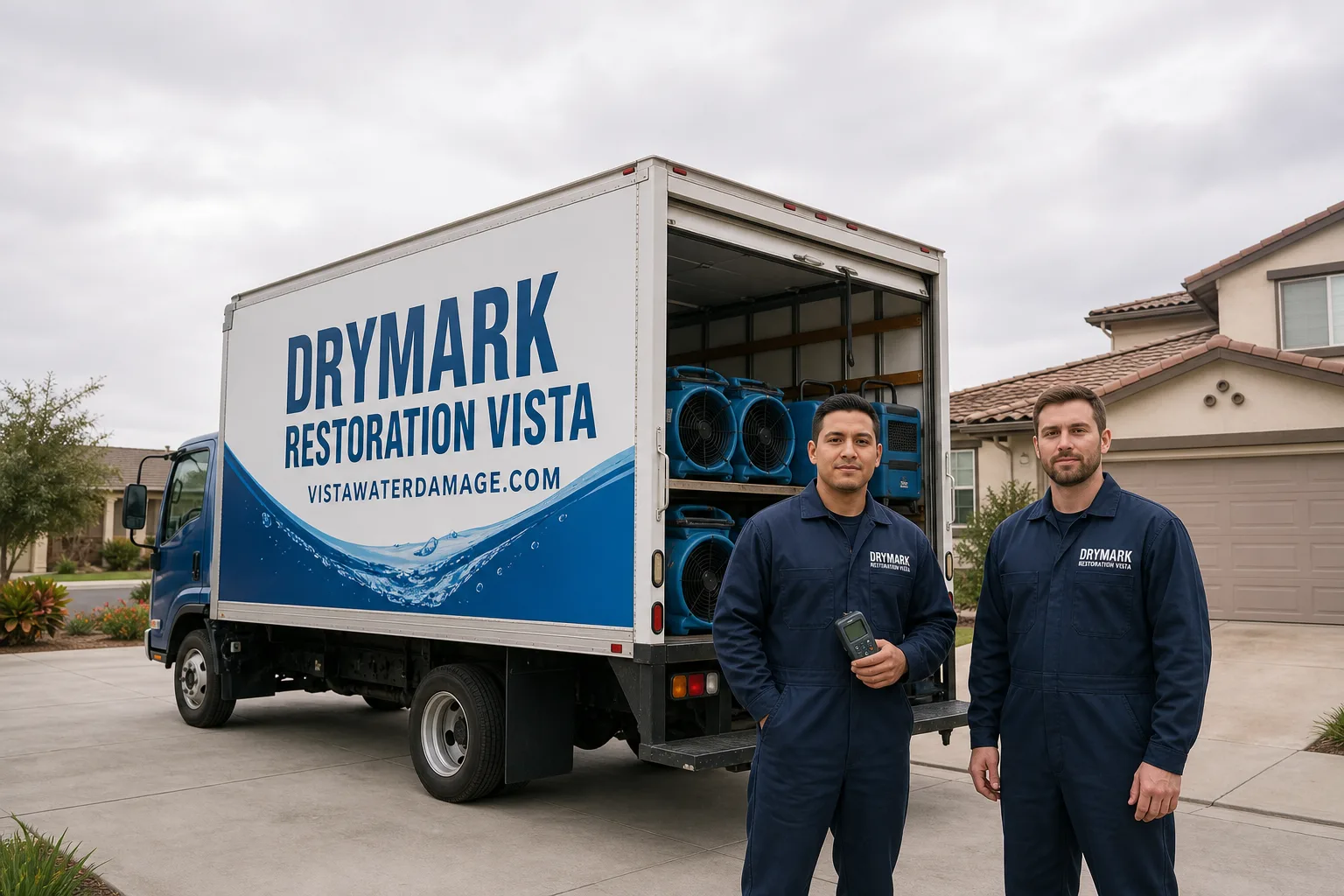
Free visual inspection and a written scope of work before any mitigation begins - photos, moisture readings, and drying logs go in your claim file
The scope we write is the scope we bill. Anything new gets shown to you, in writing, before we touch it.
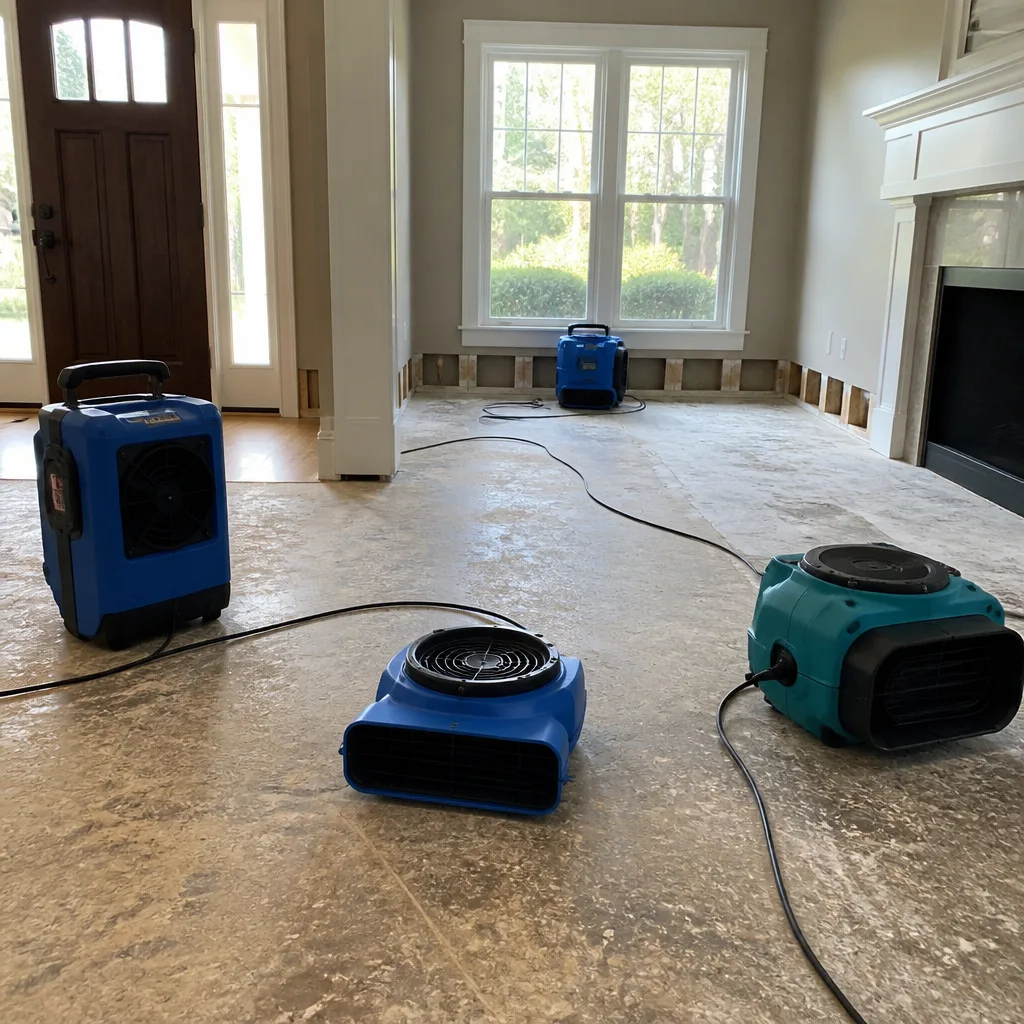

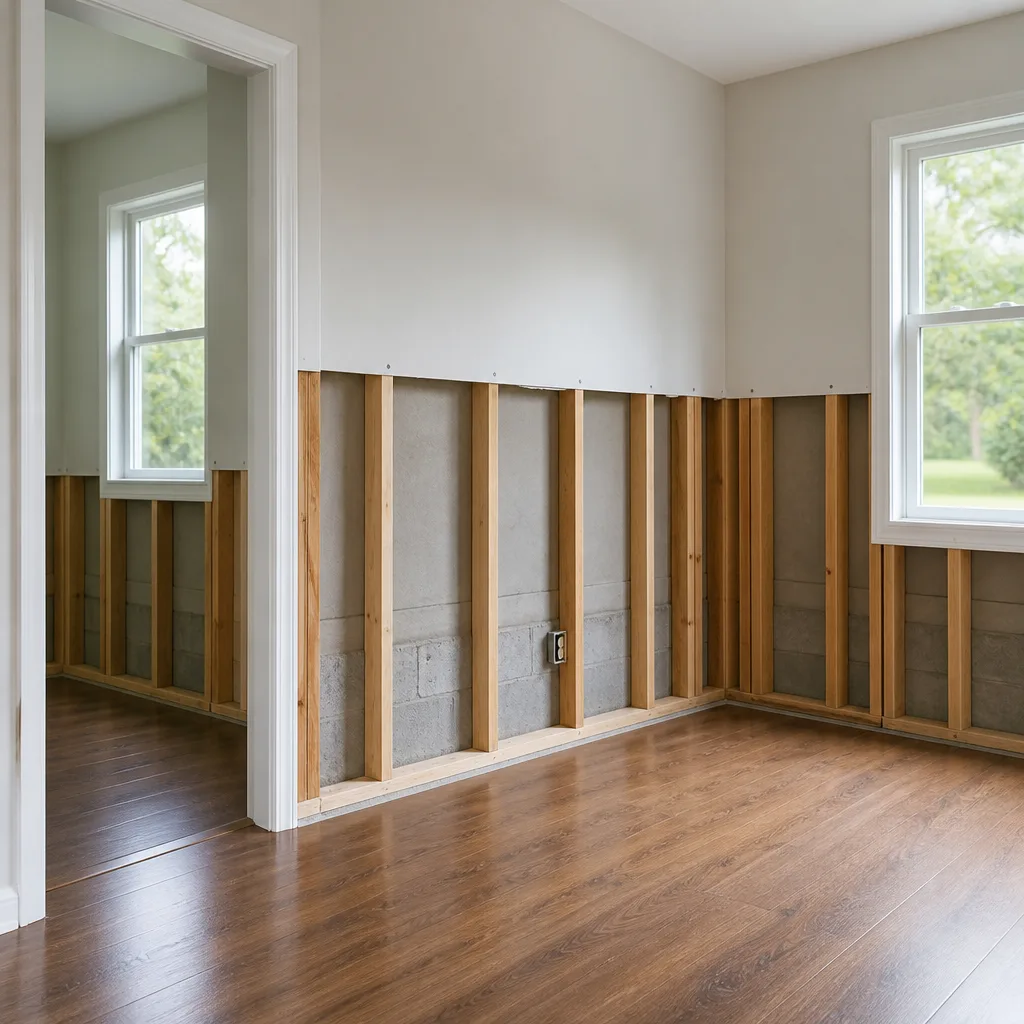
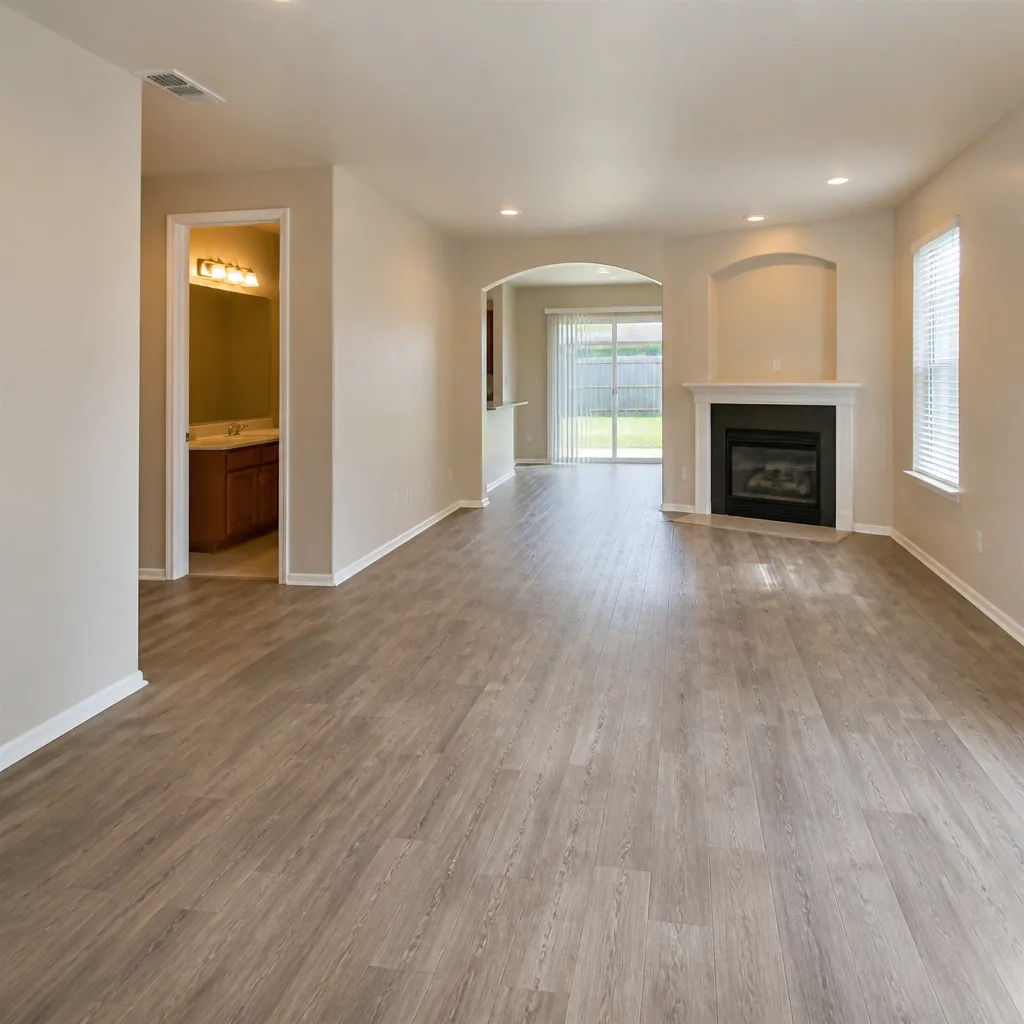
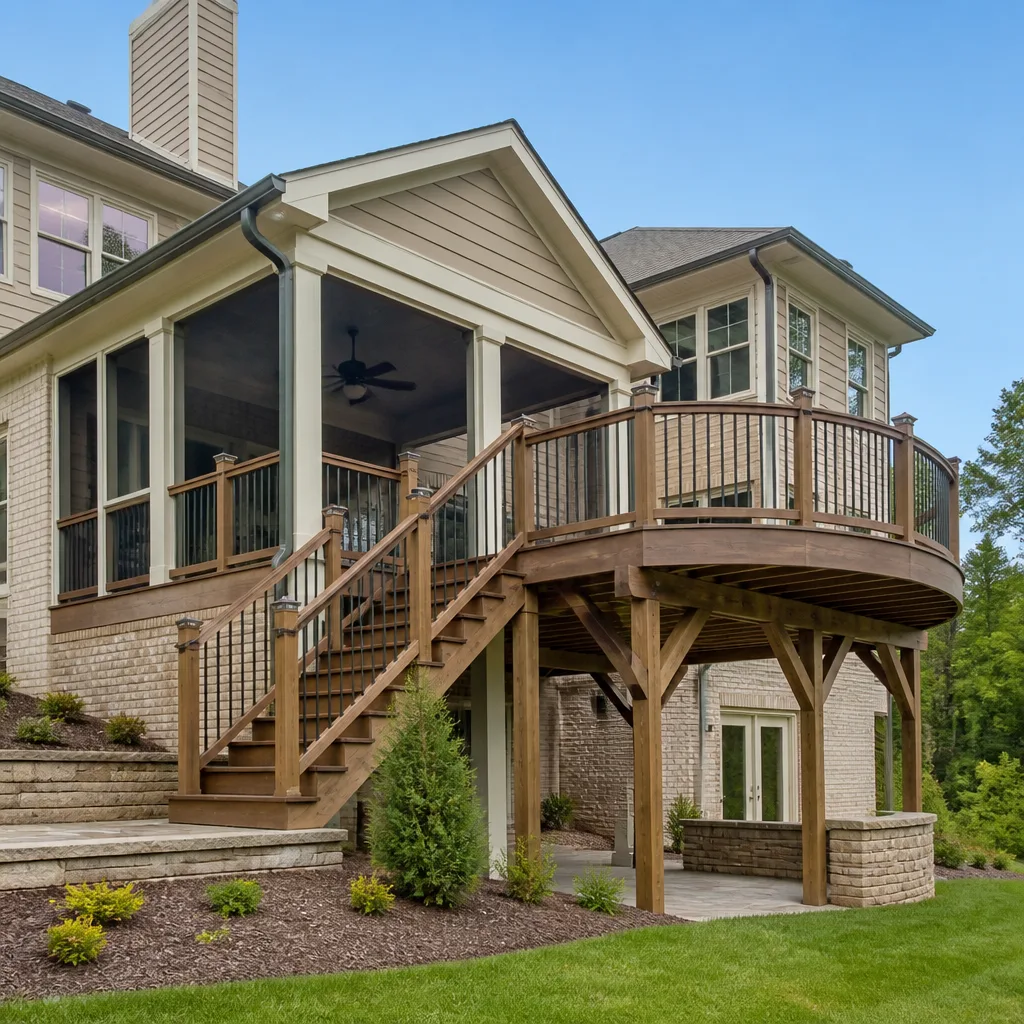
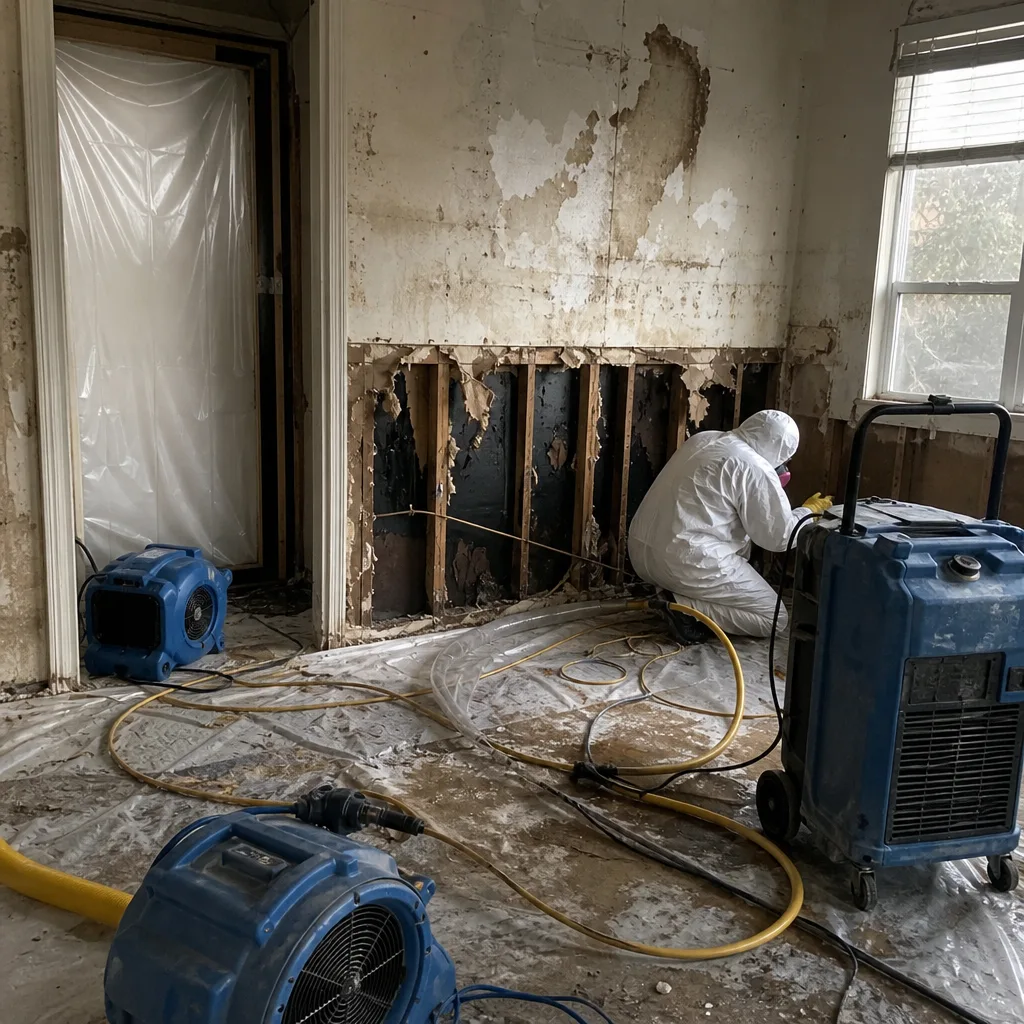 Before
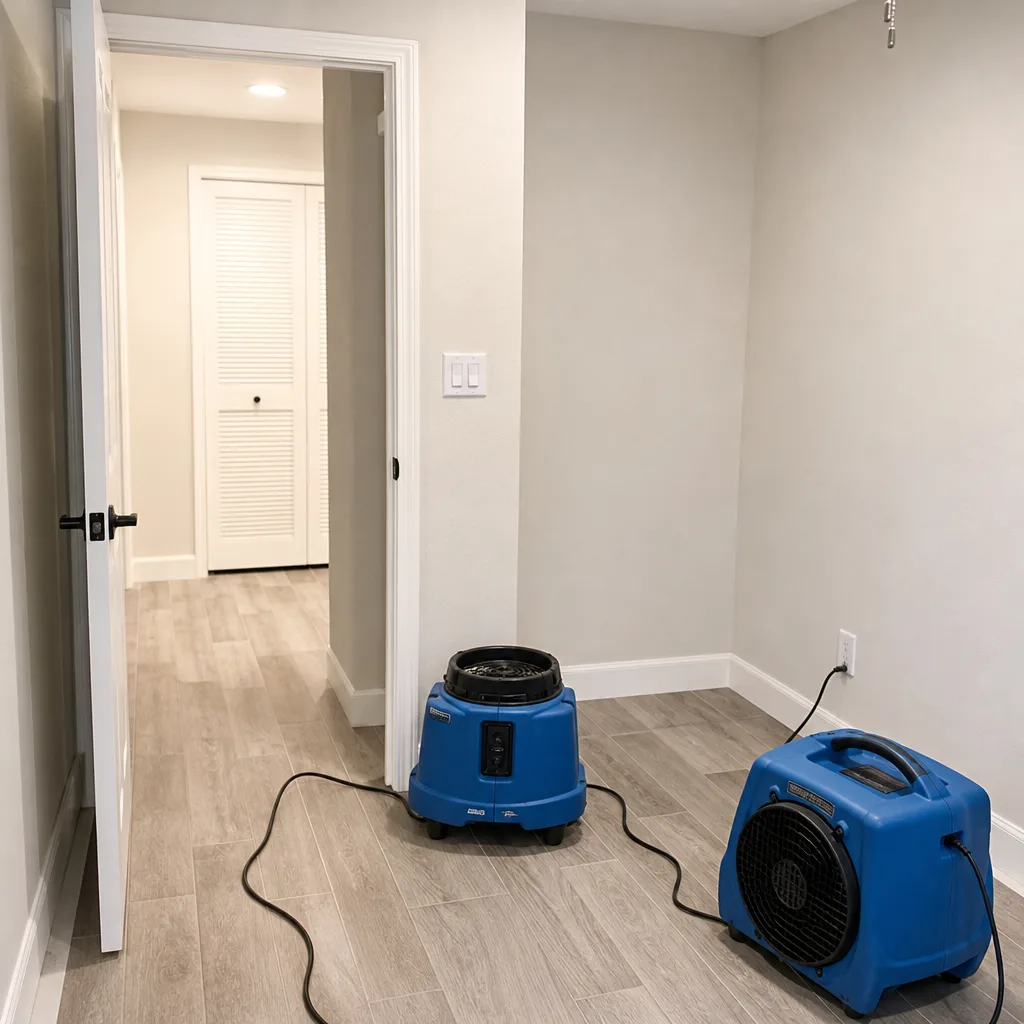 After
After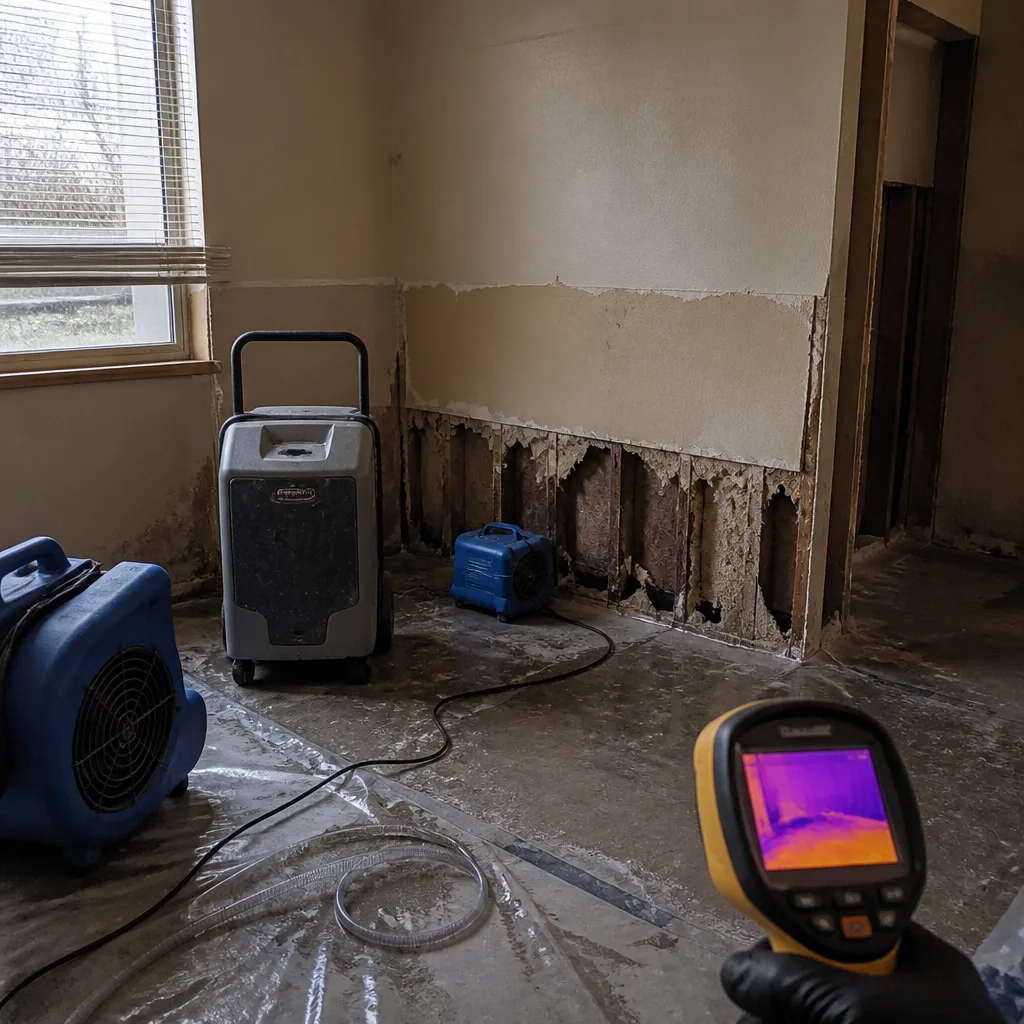 Before
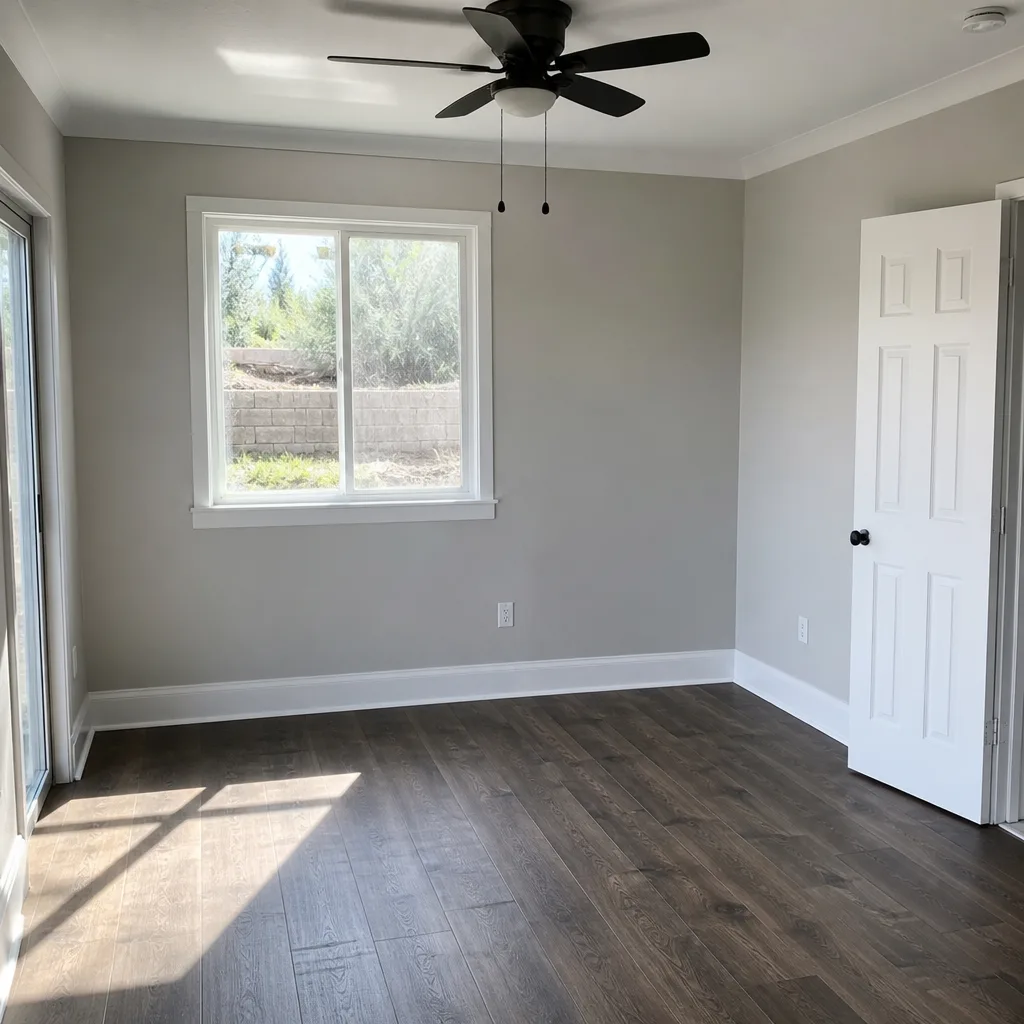 After
After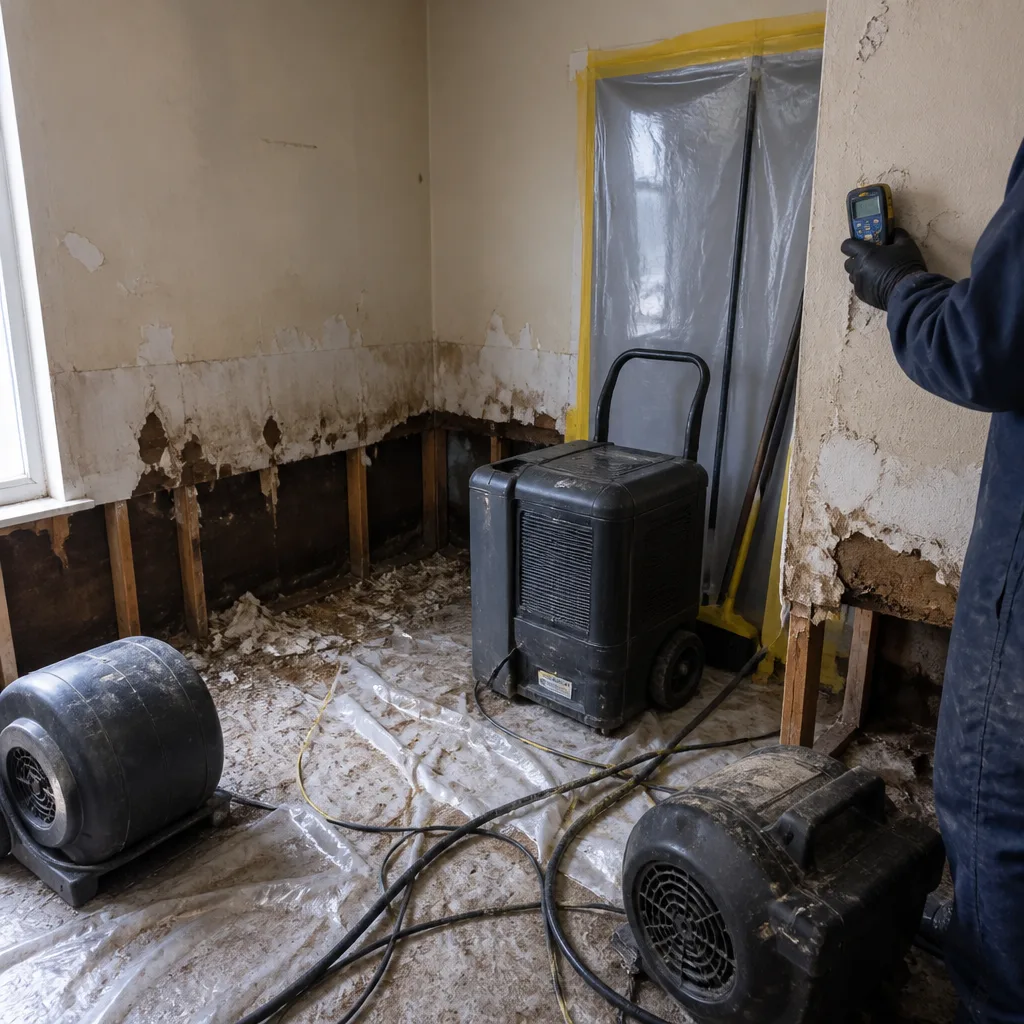 Before
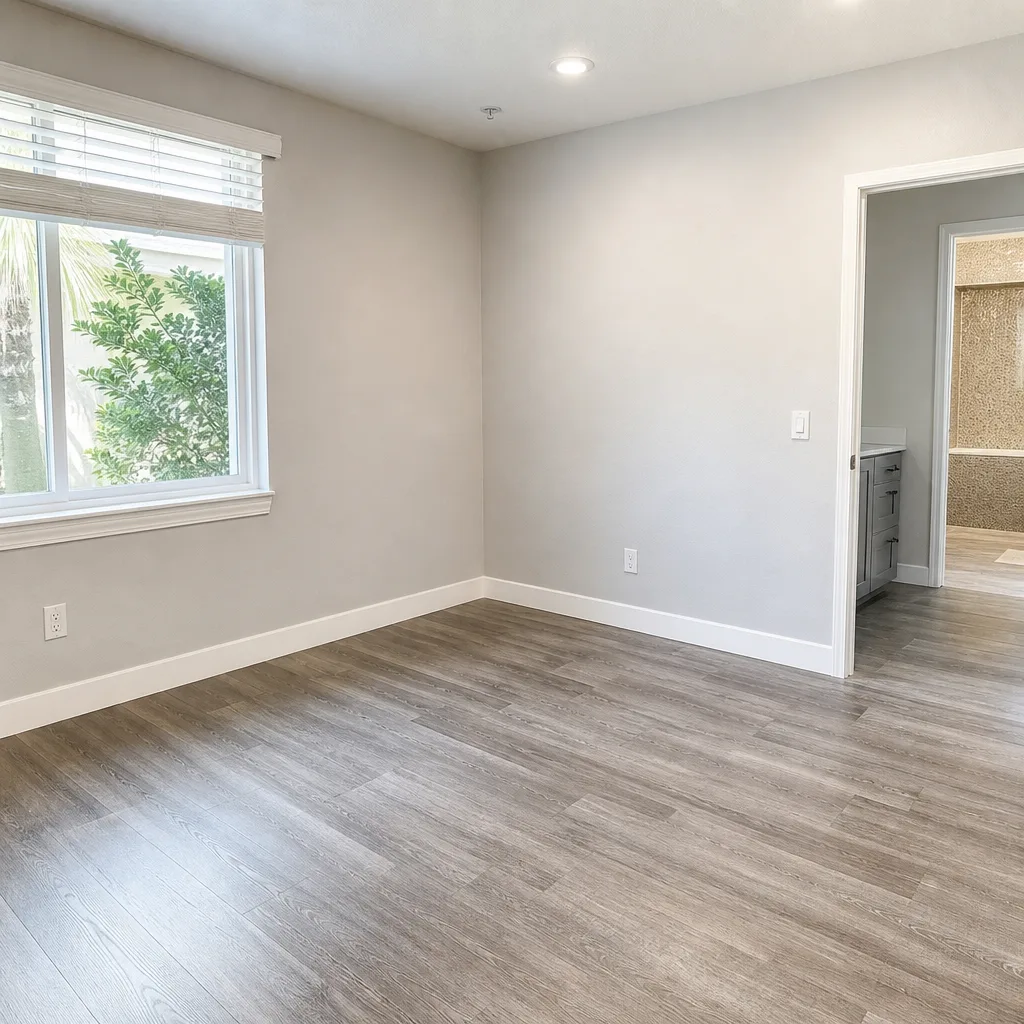 After
AfterHow Much Does Storm & Disaster Restoration Cost in Vista?
Storm & Disaster Restoration in Vista typically costs between $2,800 and $12,500 for standard residential property damage, depending on the scope of water intrusion, debris removal, and structural drying required. Minor localized flooding or wind damage repairs often fall on the lower end, while extensive reconstruction following severe storm events can exceed $20,000. Because every property has different moisture absorption rates and structural vulnerabilities, we provide a written price before any work begins, adhering to Haven Standard, Clause 1.
When you need immediate assistance, call us at (760) 539-8990. We provide 24/7 live responses to guide you through the initial containment of storm damage.
Storm & Disaster Restoration Cost Breakdown (2026)
Pricing for restoration is rarely a flat fee because no two storm events impact a building envelope in the same way. We base our estimates on the IICRC, RIA, and IFA standards, ensuring that our documentation supports your insurance claim. Below are typical ranges for services in the Vista market:
| Service Component | Estimated Cost Range |
|---|---|
| Emergency Water Extraction & Containment | $850 - $2,400 |
| Structural Drying (Equipment Rental & Monitoring) | $1,200 - $4,500 |
| Debris Removal & Site Cleanup | $600 - $1,800 |
| Mold Remediation (if water intrusion is prolonged) | $1,500 - $5,000+ |
| Reconstruction & Repairs | $2,500 - $15,000+ |
These numbers represent the cost to restore a property to its pre-loss condition. Factors that shift these costs include the square footage affected, the porosity of the materials involved, and the duration of the moisture exposure. We utilize professional-grade drying systems from Dri-Eaz, Phoenix, XPOWER, B-Air, and Injectidry to minimize the need for invasive reconstruction. By documenting the psychrometric data-measuring the vapor pressure differential between the affected materials and the surrounding air-we often reduce the overall cost by stopping the damage before it spreads to structural studs or subflooring.
What Affects Storm & Disaster Restoration Pricing in Vista
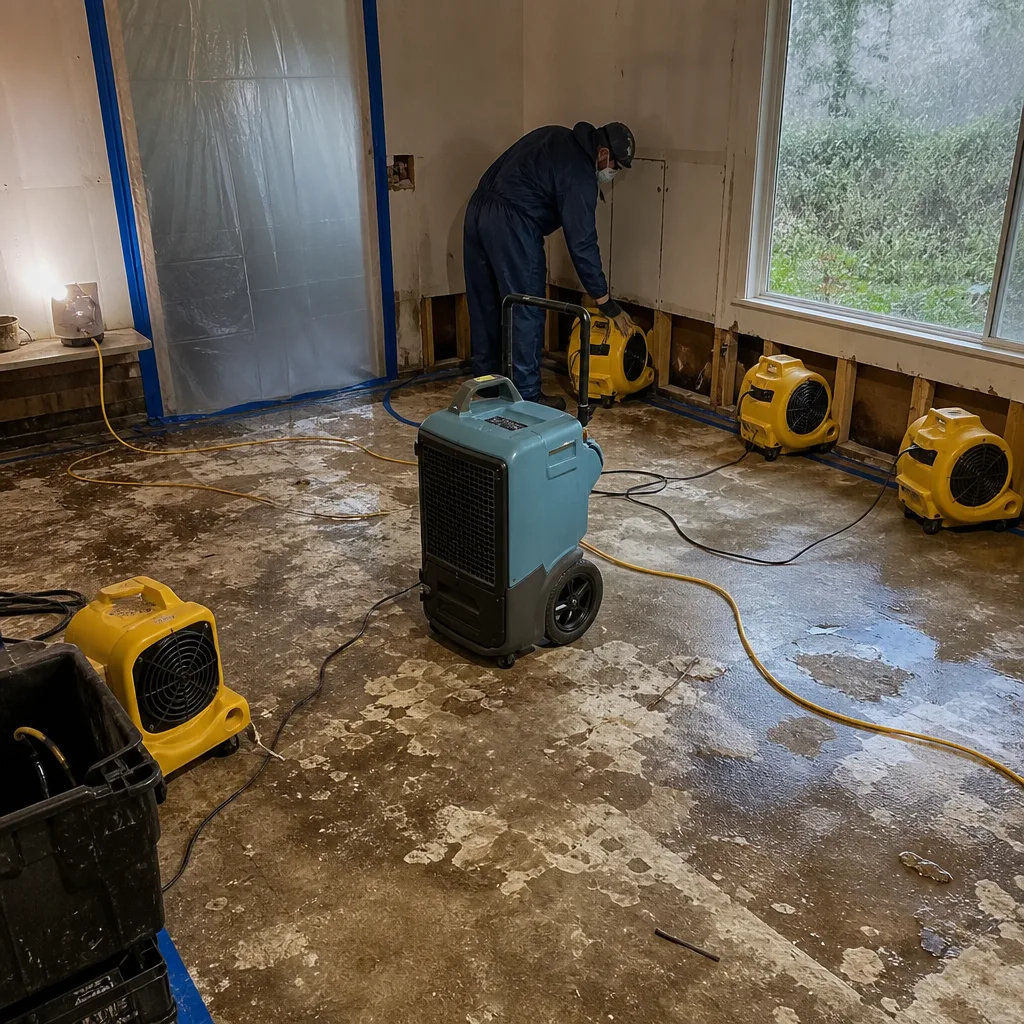
In Vista, geography and local construction styles dictate how water and wind interact with your property. Understanding these variables helps you anticipate potential costs and necessary mitigation steps.
- Material Porosity: Materials like unsealed concrete, drywall, and hardwood flooring absorb water at different rates. If storm water sits on porous materials in homes near the Buena Vista Park area, the drying time increases, which influences the total equipment rental duration.
- Structure Age: Older homes in Vista often lack modern moisture barriers. When a storm hits, water can penetrate deeper into the framing of these properties, requiring more intensive drying and potential mold remediation compared to newer builds.
- Severity of Intrusion: The difference between a minor roof leak and a full structural breach is significant. We categorize damage based on the contamination level of the water, which dictates the safety protocols and cleaning agents required under IICRC guidelines.
- Access and Logistics: Properties with difficult access, such as hillside homes in Vista with steep driveways or restricted entry points, may require additional labor hours for equipment transport and debris removal.
- Time to Mitigation: The “clock” starts the moment water touches your property. By acting quickly, you prevent secondary damage like mold growth and material degradation, which keeps the total project cost lower.
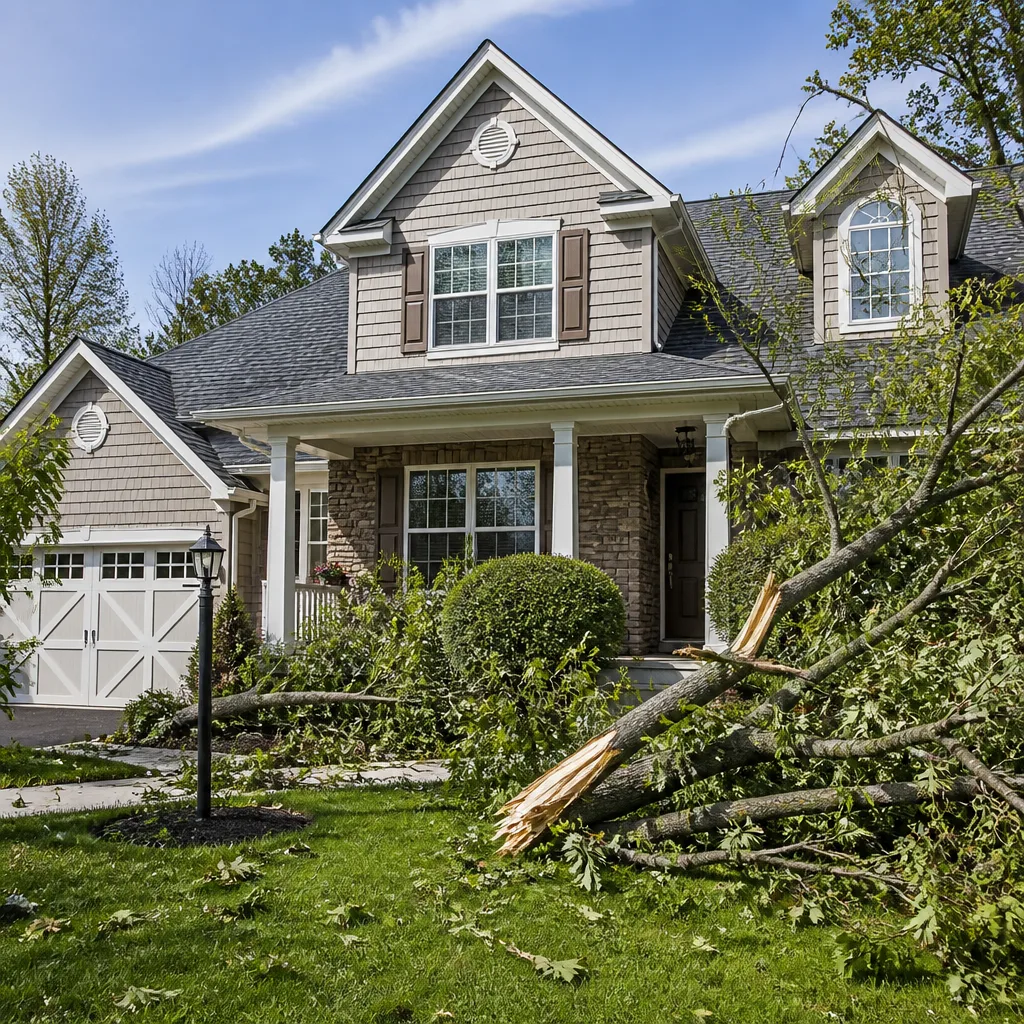
Safety Warning: If your home has sustained structural damage, such as a compromised roof, sagging ceiling, or exposed electrical wiring, do not enter the affected area. High-tension materials and electrical hazards are common after storms. Contact a professional immediately to assess the scene.
 Before
 After
AfterHow to Save on Storm & Disaster Restoration
Saving on restoration costs is primarily about documentation and speed. Insurance companies are more likely to approve claims that are supported by clear, itemized records. We focus on providing the evidence needed to ensure your claim is processed correctly.
1. Document Everything Immediately: Take photos and videos of the damage before moving anything. This record establishes the “before” state for your insurance adjuster. Our team adds to this by providing a professional photo record on every visit, which serves as a standard deliverable for our clients.
2. Request a Second Opinion: If you have already received a quote from another contractor, we offer a free second opinion. Bring their estimate to us, and we will review it at no charge to ensure you are getting a fair price and a proper scope of work.
3. Use the 365-Day Done Right Promise: We stand behind our work with a written warranty. If it is not done right, we make it right. This ensures you do not pay twice for the same repair due to poor workmanship or missed moisture pockets.
4. Get a Written Price Upfront: Never authorize work without a signed scope. Under Haven Standard, Clause 1, we deliver a written price before any work begins, with no scope-creep additions once the crew is inside. This prevents surprise billing and gives you full control over your budget.
If you have questions about your specific situation, call (760) 539-8990. We are here to help you understand the damage and the path to restoration.
FAQs - Storm & Disaster Restoration Cost
How much does emergency water extraction cost in Vista?
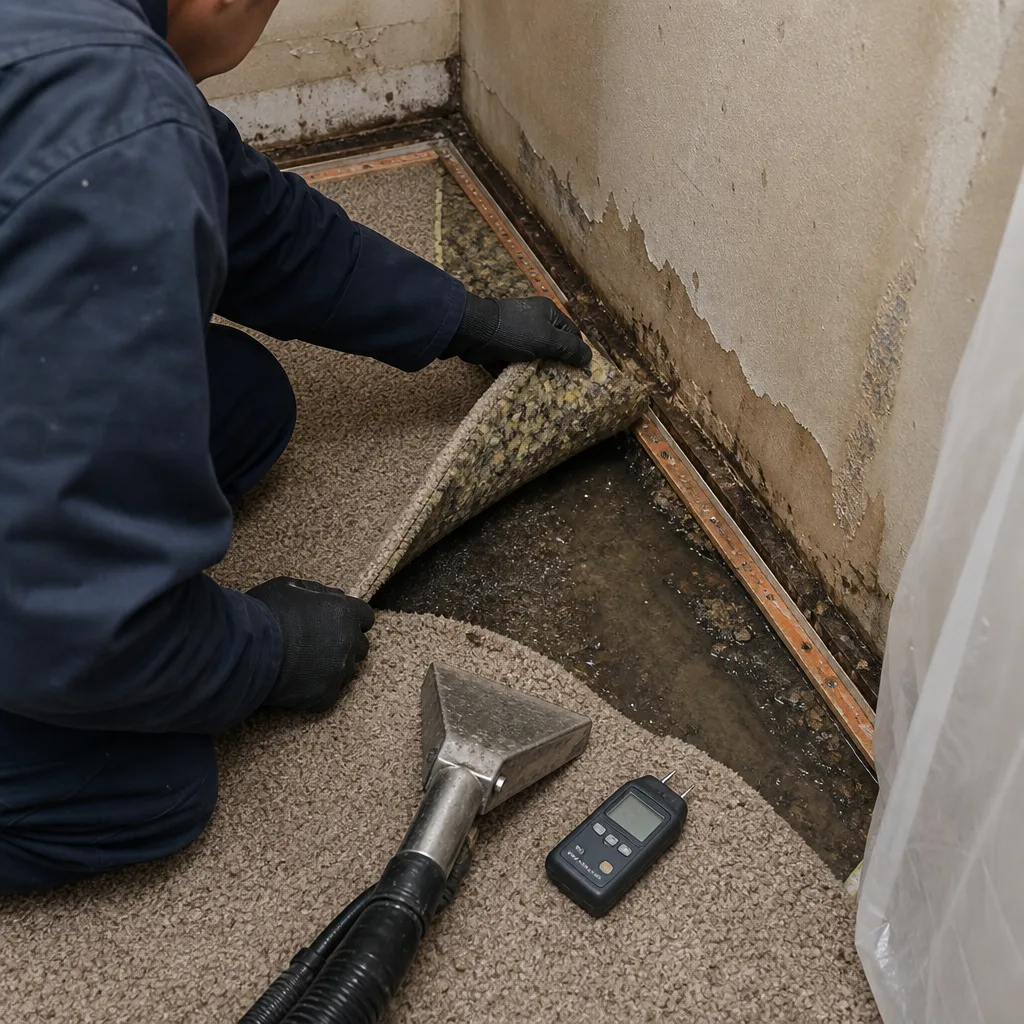
Emergency water extraction typically costs between $850 and $2,400, depending on the volume of water and the accessibility of the area. This service includes the immediate removal of standing water to prevent further saturation of your flooring and sub-structures. Call (760) 539-8990 for an exact quote based on your home’s layout.
Is it cheaper to repair or replace storm-damaged flooring?
Repairing is usually cheaper, costing roughly $400 to $1,200 for spot drying and treatment, whereas replacing a full room of flooring can range from $3,000 to $10,000+. We use specialized drying equipment like Injectidry systems to save hardwood and subflooring whenever possible, which is almost always more cost-effective than full replacement. Call us to inspect your floors before you rip them out.
Does insurance cover storm and disaster restoration?
Most homeowner insurance policies cover water damage caused by sudden and accidental events, such as a storm, but coverage depends on your specific policy terms. We help by providing the detailed, documented photo record and moisture logs required by adjusters to process your claim. Call (760) 539-8990 to discuss how we can assist with your documentation.
How long does the restoration process take?
The structural drying phase usually takes 3 to 5 days, while full reconstruction can take anywhere from 1 to 4 weeks depending on the extent of the damage. We provide a clear timeline in our initial written scope so you know exactly when your home will be back to normal. Call us today for a site assessment.
What is the benefit of a professional photo record?
A professional photo record provides undeniable evidence of the damage, the drying process, and the final result, which is critical for insurance reimbursement. We include this on every visit as a standard deliverable, not an upsell, to ensure your claim is paid without a fight. If you need help documenting your loss, call (760) 539-8990 for a free estimate.
Pricing reflects the Vista market as of 2026. Back to Dry Restoration offers free estimates - call (760) 539-8990. Written by Alicia Brennan, Owner at Back to Dry Restoration, serving Vista since 2011.
What Our Customers Say
"The crew was licensed and every name was on the paperwork. Small thing when strangers are in your house for five days."
- Duncan A."They photographed behind the baseboards before removing anything. That documentation is the only reason the claim covered the wall cavity."
- Noreen S."Daily moisture readings, written down, room by room. When the adjuster questioned the drying time they sent the log and the conversation ended."
- Constance E.