
Last updated September 23, 2026
Free visual inspection and a written scope of work before any mitigation begins - photos, moisture readings, and drying logs go in your claim file
The scope we write is the scope we bill. Anything new gets shown to you, in writing, before we touch it.
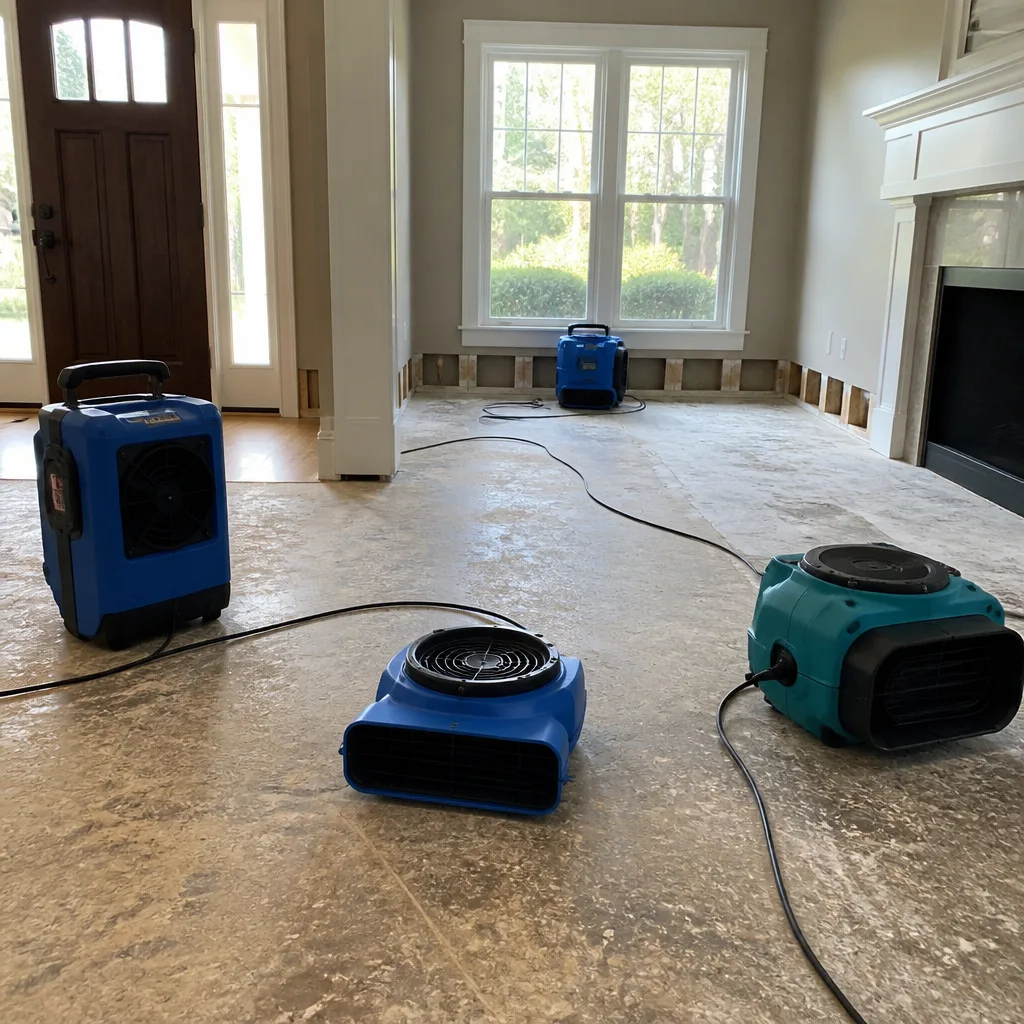
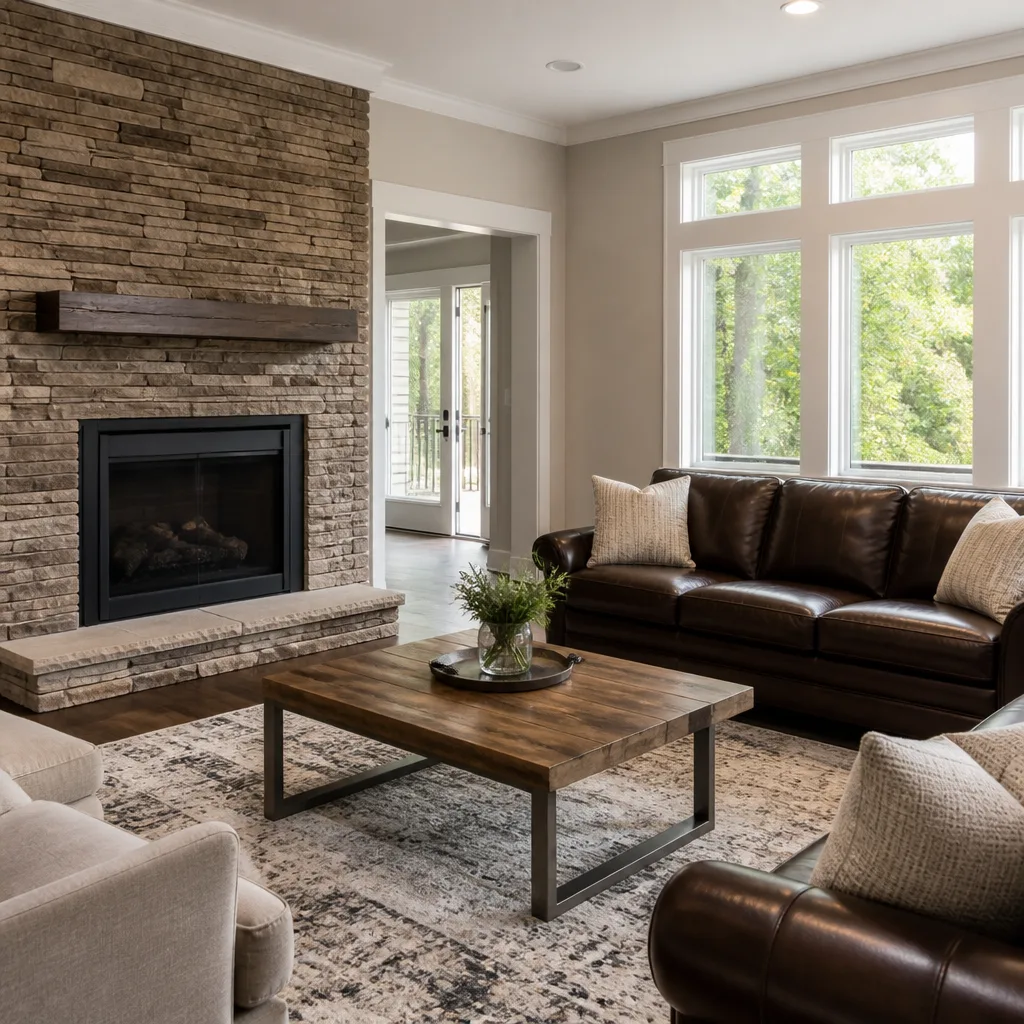
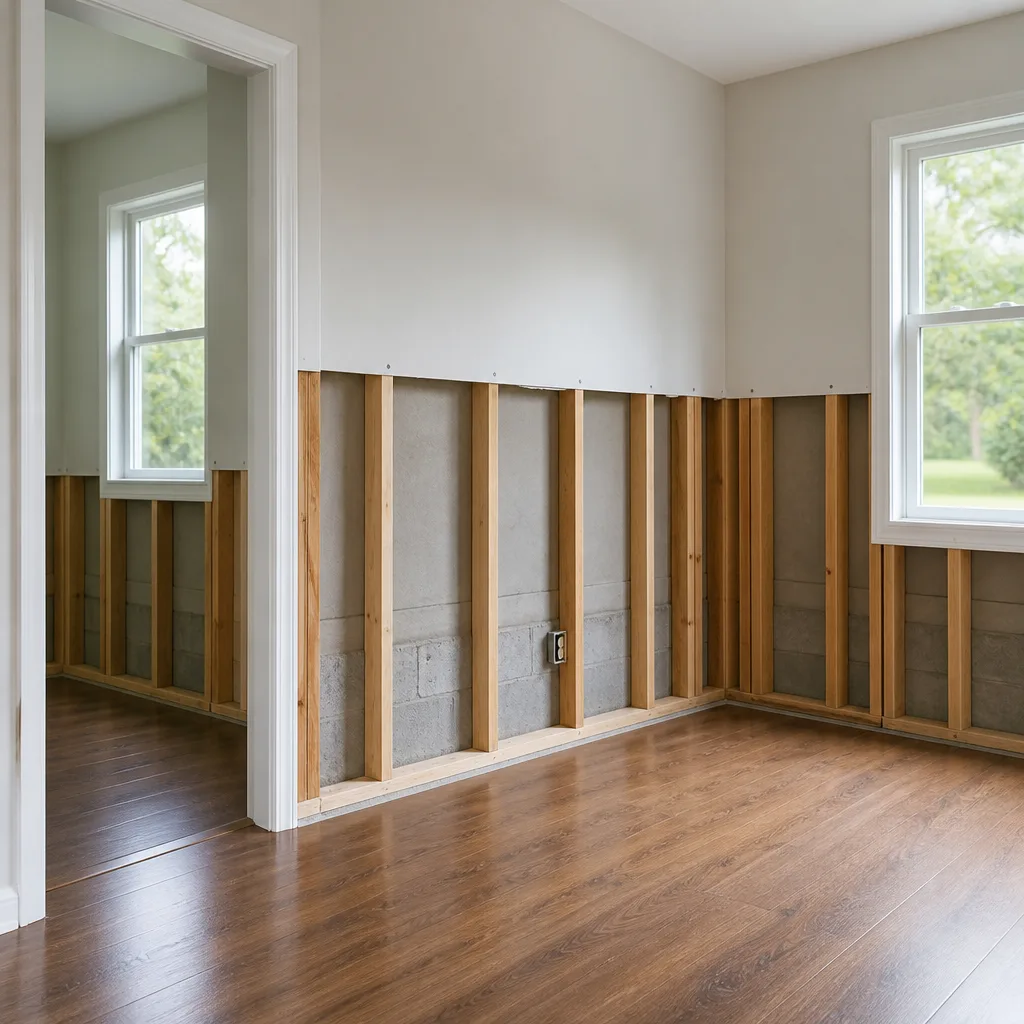
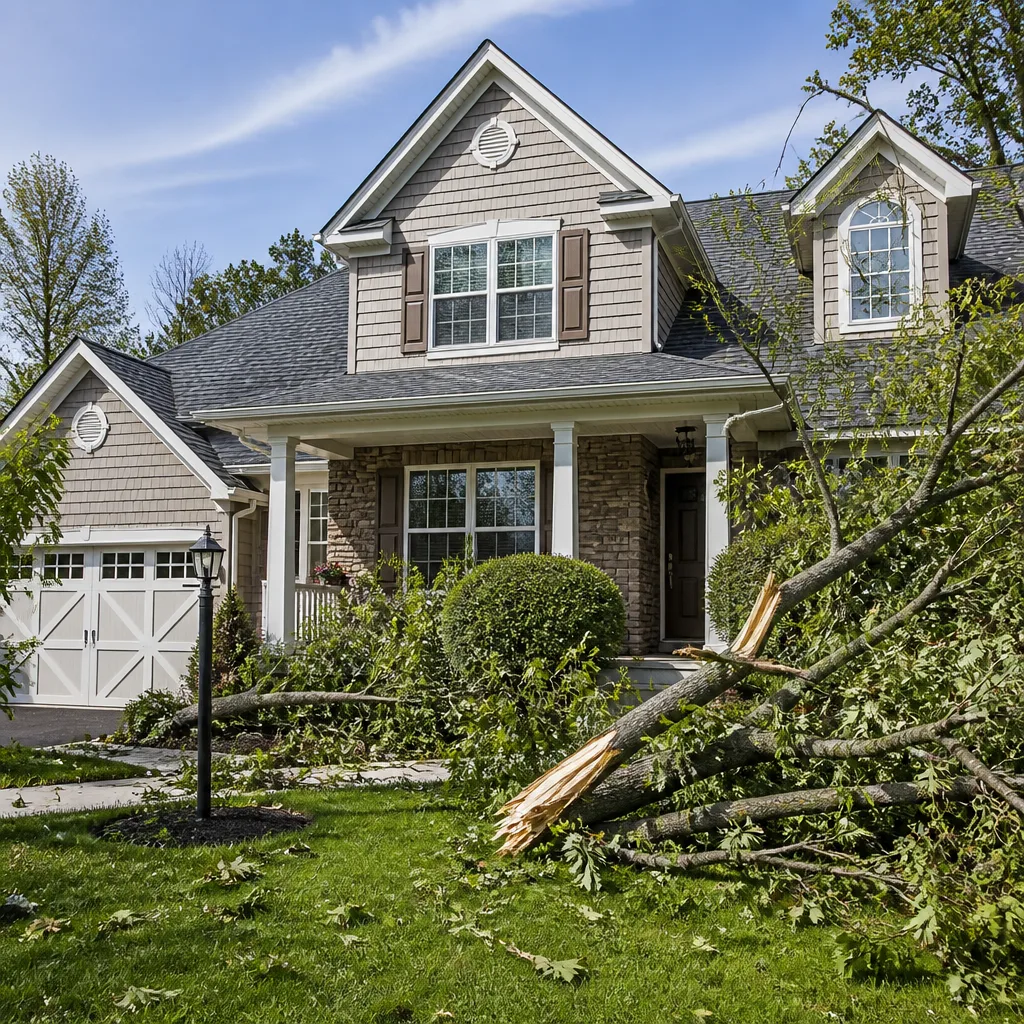
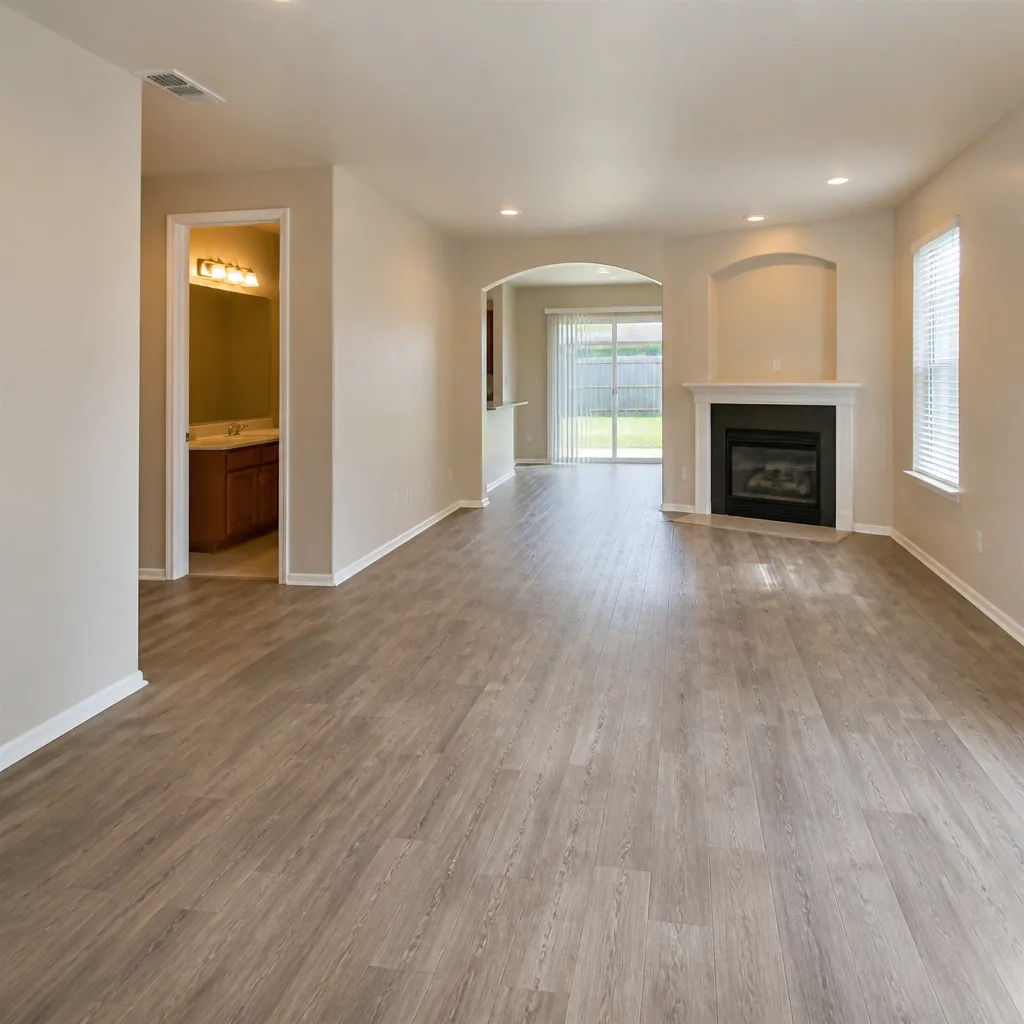
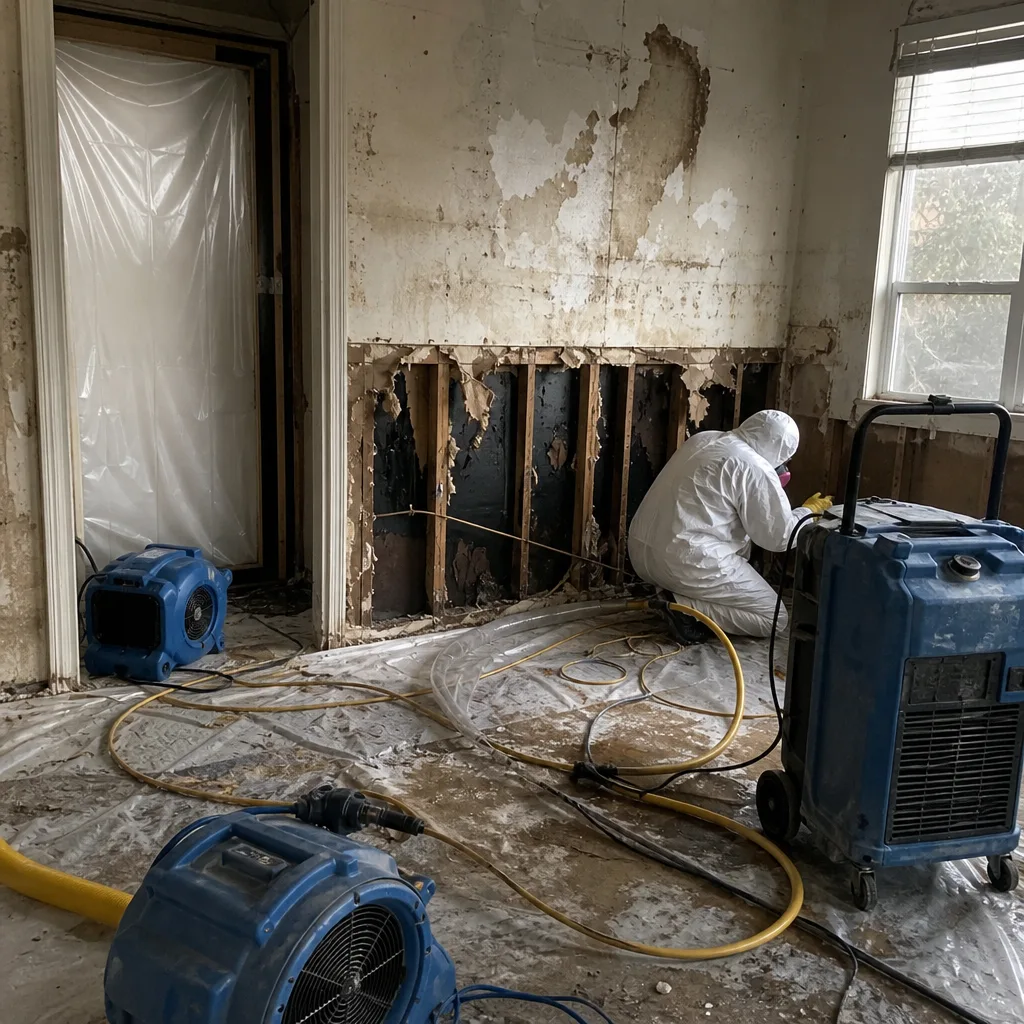 Before
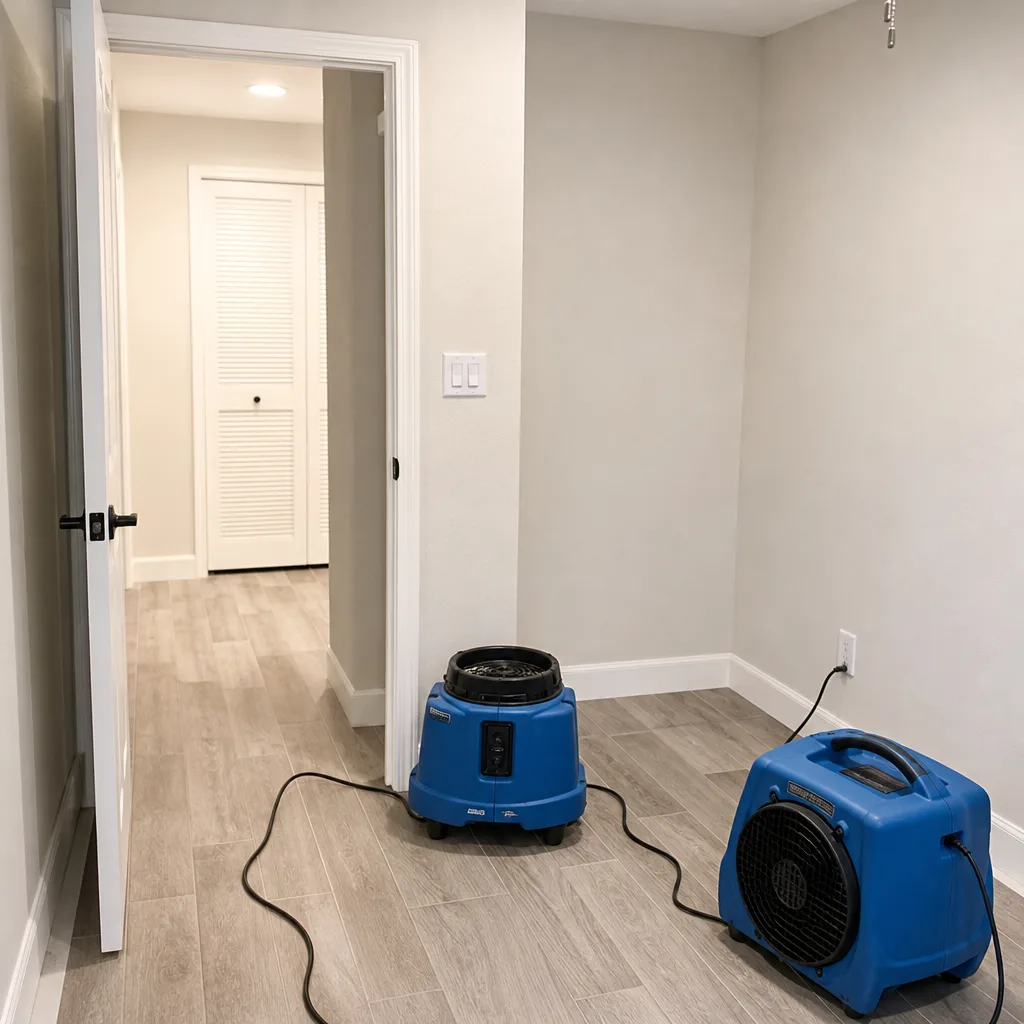 After
After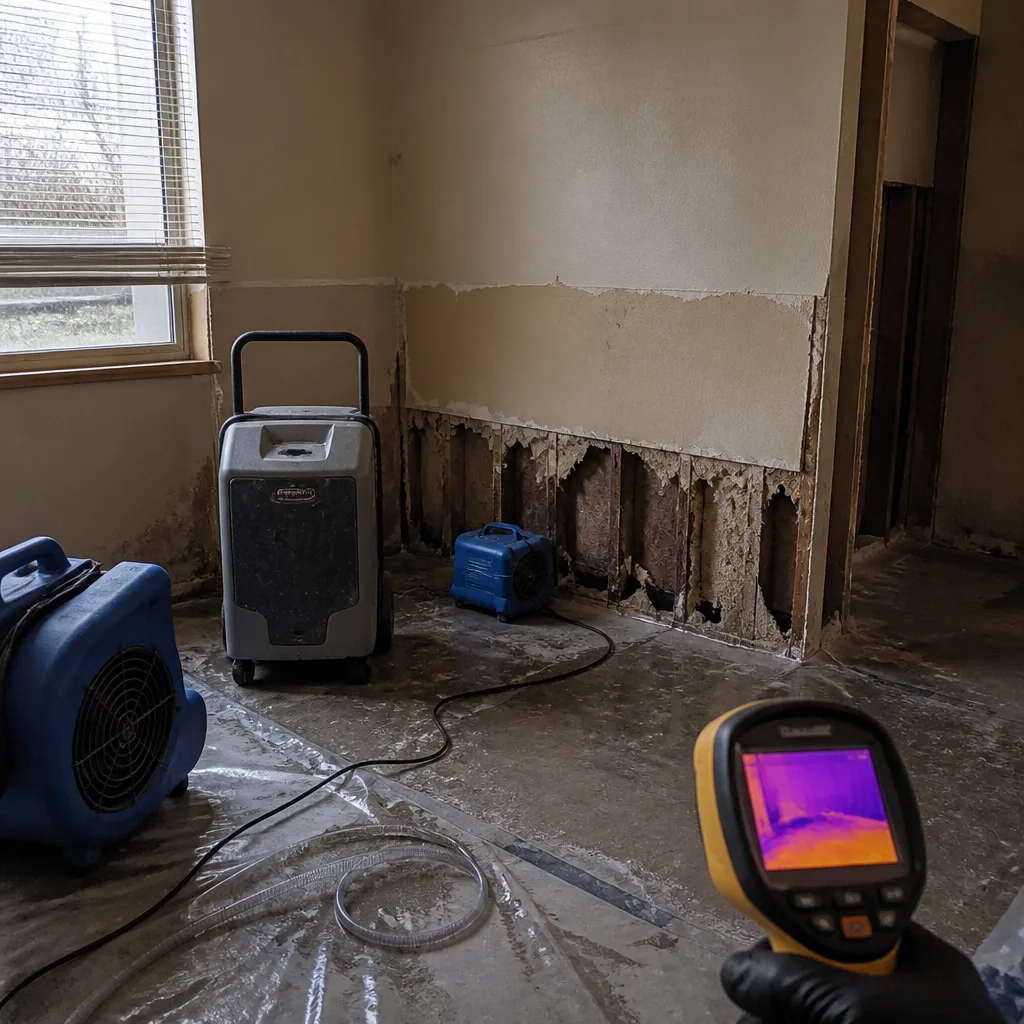 Before
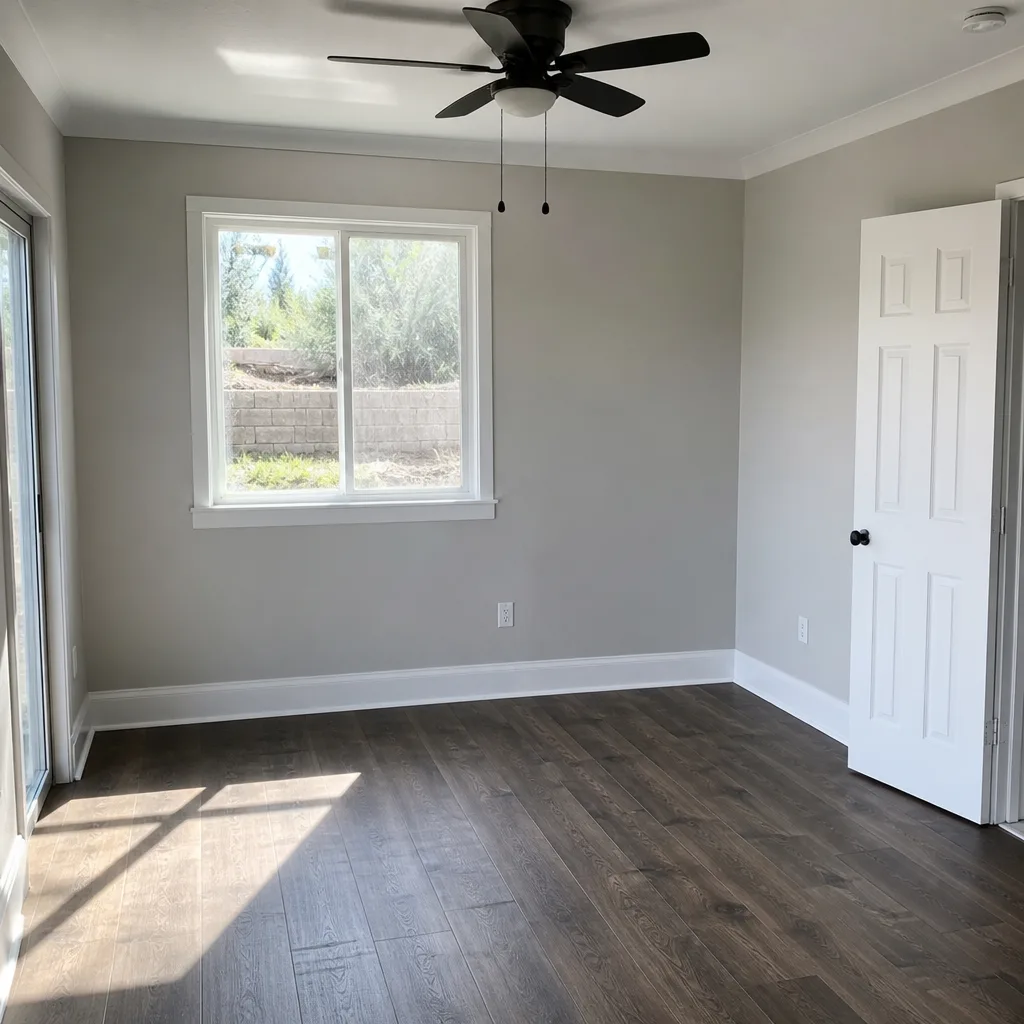 After
After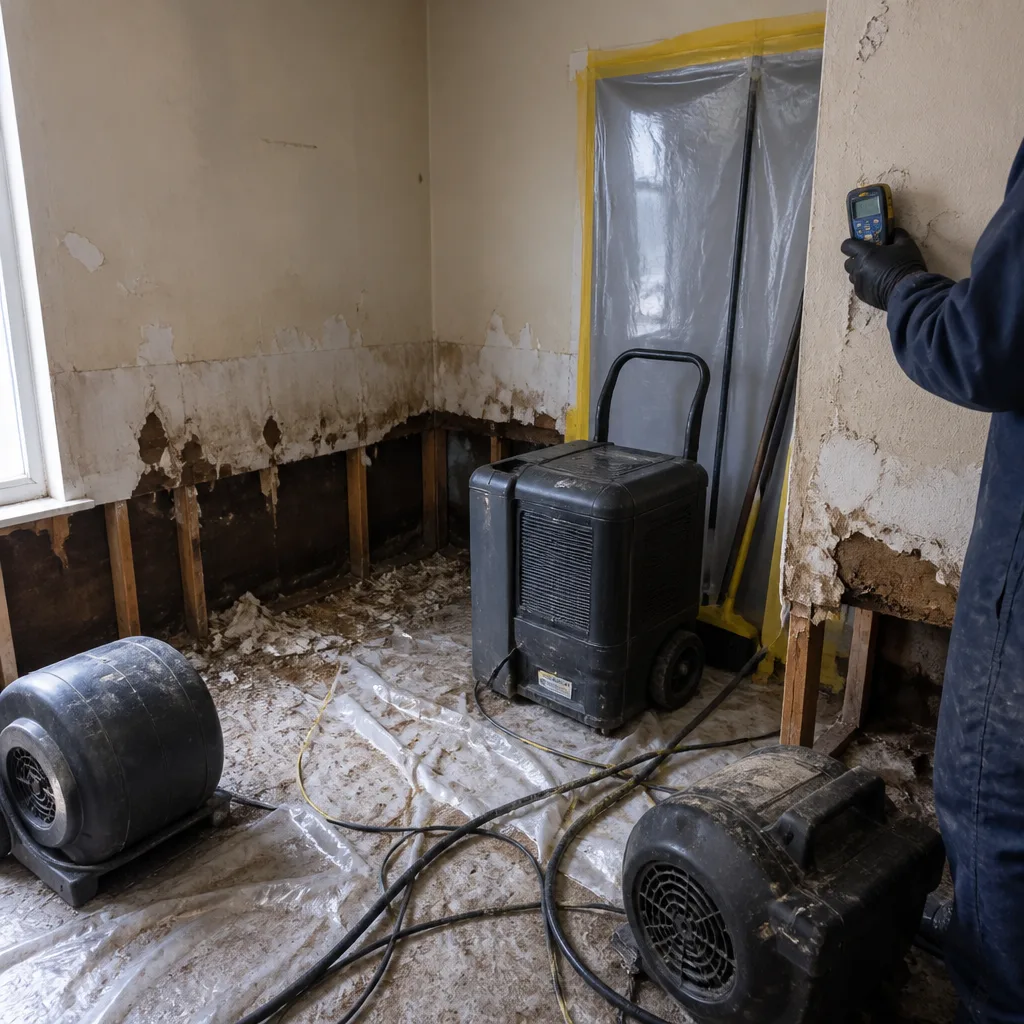 Before
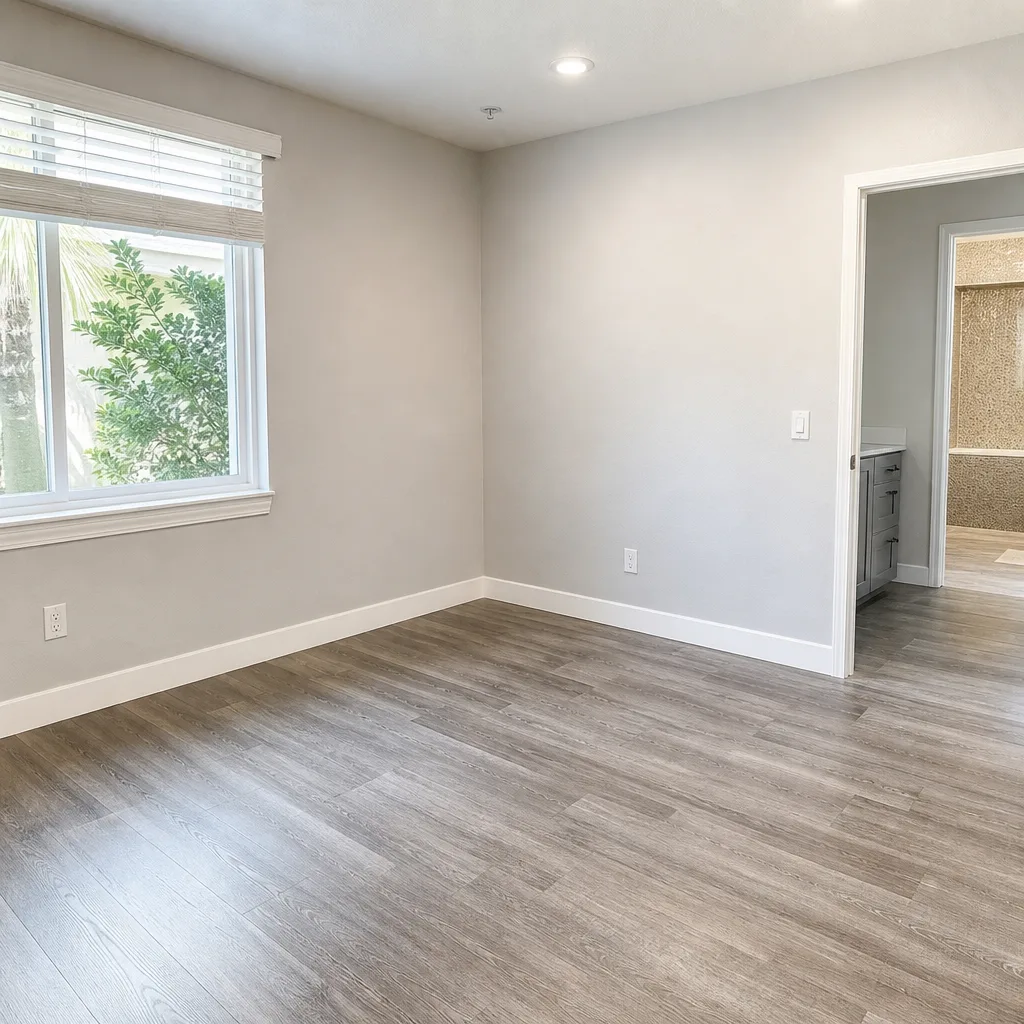 After
AfterDIY vs Professional Damage Restoration: The Vista Homeowner’s Decision Guide
A Vista homeowner who extracts standing water with a shop-vac and fans, then paints over the affected drywall, has not just done incomplete restoration. They have created a written record of pre-existing, undisclosed damage that an insurer can use to deny a future claim on that same wall. In our experience serving Vista since 2011, this scenario plays out more often than most homeowners realize, especially in the older neighborhoods near downtown and the moisture-prone areas along Buena Vista Creek where slab foundations and original plumbing converge. This guide will show you exactly where the DIY line ends and professional documentation begins, what California law requires, and how to protect your claim regardless of which path you choose. For how to hire a damage restoration contractor in Vista, see our step-by-step guide.
Quick Answer
DIY damage restoration is appropriate only for Category 1 water on non-porous surfaces under 10 square feet, provided you photograph and moisture-map every step. For everything else, including any Category 2 or 3 water, mold above 10 square feet, fire or smoke damage, or work requiring a building permit, California law and standard insurance policy language require licensed professional documentation to IICRC S500 standards. Without that documentation, your insurer can classify the damage as pre-existing and deny future claims on the same area.
Table of Contents
- What “Documentation” Actually Means in Restoration
- Where DIY Genuinely Makes Sense
- California Requirements That Remove the DIY Option
- The Cost Comparison That Actually Matters
- How to Use Professional Clearance to Validate DIY Work
- Vista-Specific Risks: Climate, Soil, and Building Stock
- Common Mistakes to Avoid
- When to Call a Professional
- Frequently Asked Questions
 Before
 After
AfterWhat “Documentation” Actually Means in Restoration
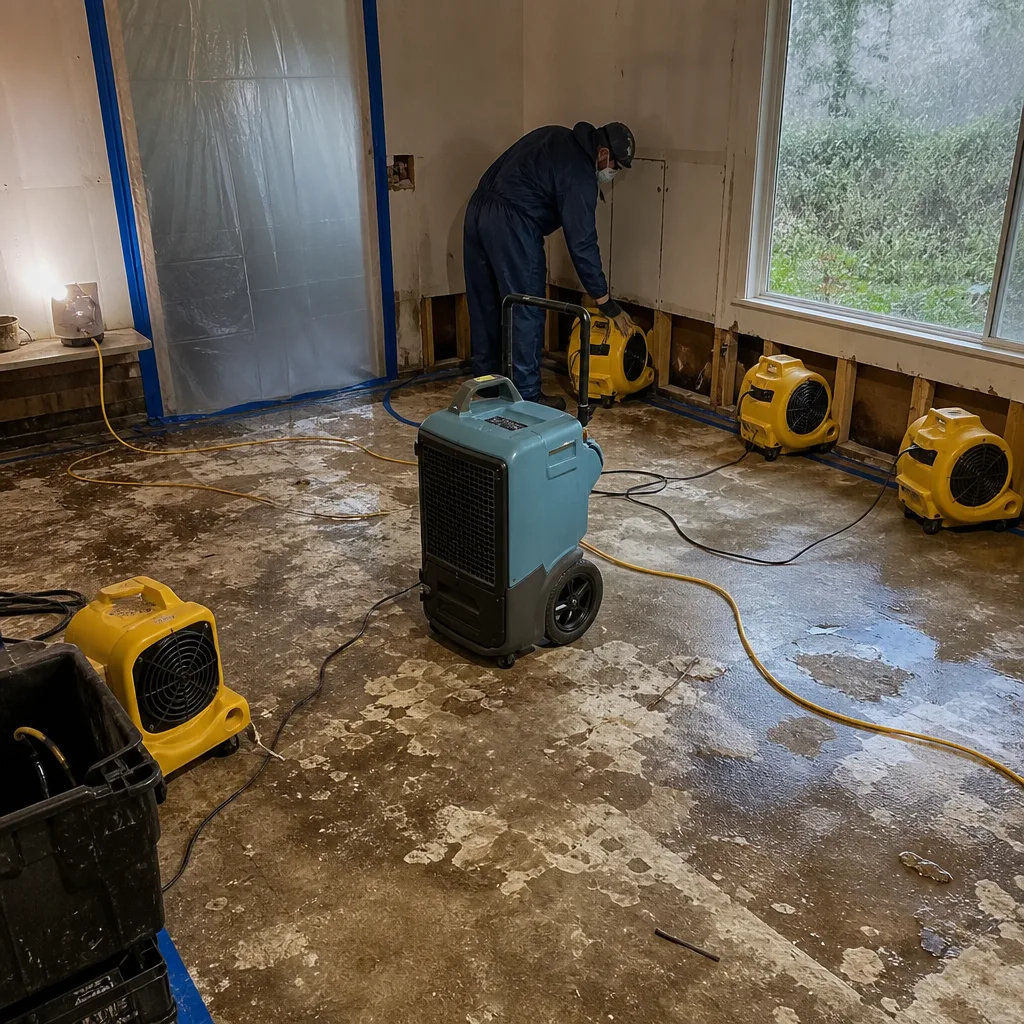
When insurers evaluate a water damage claim, they do not ask whether the carpet feels dry. They ask for a moisture map, a daily drying log, and a final clearance reading showing the structure reached “dry standard,” defined as equilibrium moisture content within 4% of a known dry reference for that material type in that geographic region. These are not suggestions. They are the outputs of IICRC S500, the standard reference guide for professional water damage restoration, and without them, your claim is vulnerable.
Here’s what professional documentation includes:
- Moisture mapping: A room-by-room grid showing baseline moisture content, daily readings, and final clearance, measured with calibrated pin and pinless meters and recorded to the tenth of a percent.
- Daily drying log: Psychrometric data (temperature, relative humidity, vapor pressure differential) collected at each dehumidifier and air mover, documenting that the drying environment was controlled and effective.
- Photo record: Date-stamped images of every affected area, every piece of equipment placement, and every material removal, with the technician’s name and license number associated.
- Written scope of work: A line-item description of what was done, what materials were removed, what was installed, and what remains to be monitored, signed by the contractor and the homeowner before work begins.
- Final clearance report: A standalone document certifying that the structure has returned to dry standard, suitable for submission to an insurer, a property manager, or a real estate disclosure.
Psychrometric data, for those unfamiliar, is simply the measurement of how air holds moisture. Vapor pressure differential is the force that drives moisture from wet materials into the drier air. A professional-grade dehumidifier from Phoenix or Dri-Eaz does not just blow air; it manipulates these variables to pull bound water out of wood framing and concrete. The daily log proves this happened. A homeowner with a fan from a hardware store has no such proof.
In Vista’s inland climate, where summer humidity can drop below 40% and winter marine layer pushes it above 80%, the drying environment changes daily. A professional adjusts equipment based on these shifts. A DIY approach typically sets a fan and forgets it, which can mean secondary damage in February or over-drying and cracking in August, which is why we recommend seasonal damage restoration care for Vista year-round. Neither outcome is documented, and neither is defensible to an insurer.
The Water Damage Restoration in Vista page details how our crews produce these documents on every job. But the principle applies regardless of who you hire: if the work cannot be documented to this standard, it does not count as restoration for insurance purposes.
Where DIY Genuinely Makes Sense
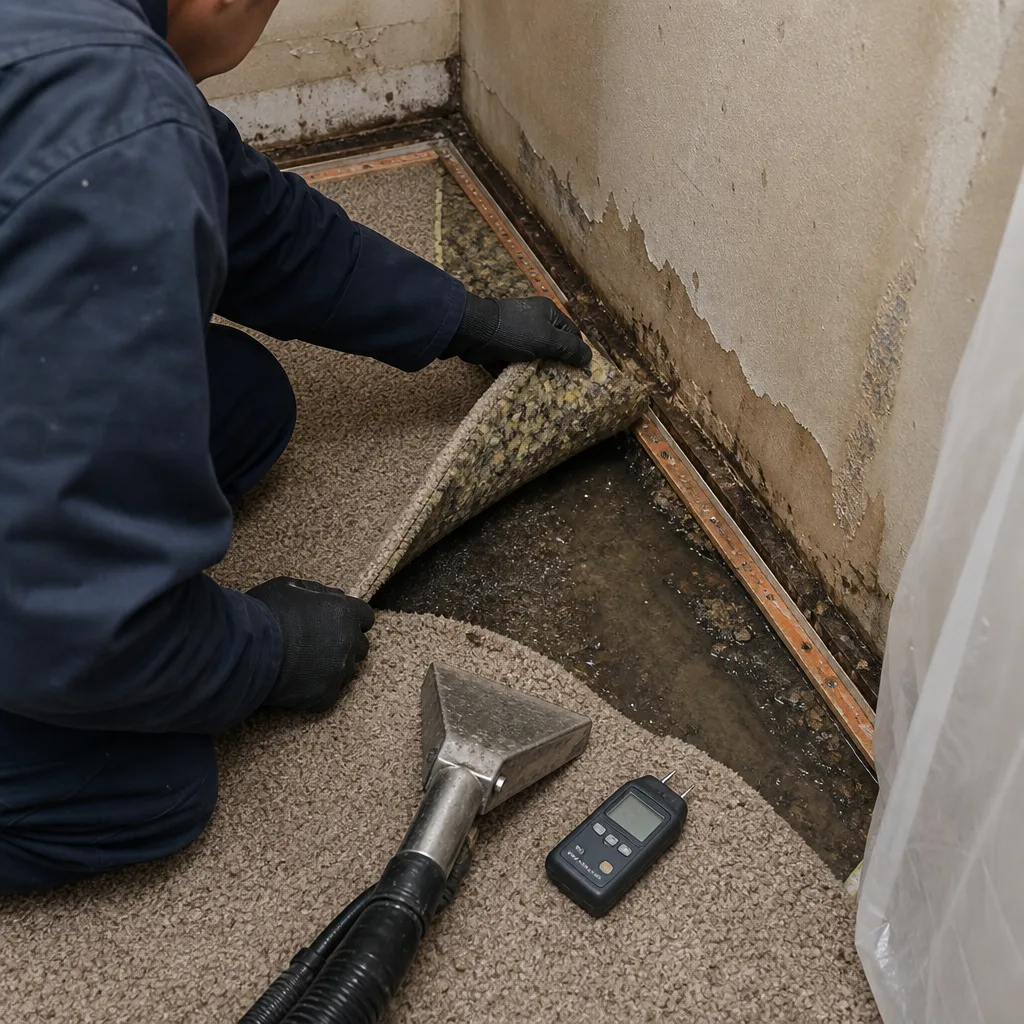
There is a narrow corridor where DIY is not only acceptable but rational. It requires all of the following conditions:
- Category 1 water only: Clean water from a burst supply line, rainwater intrusion through a closed window, or overflow from a sink with no contaminants. Category 2 (gray water, such as dishwasher discharge) and Category 3 (black water, including sewage or groundwater) require professional handling under California Health and Safety Code.
- Non-porous materials only: Tile, sealed concrete, metal, glass, or synthetic materials that do not absorb water into their structure. Carpet, pad, drywall, baseboard, and unfinished wood are porous and require professional drying documentation.
- Less than 10 square feet of affected area: This is the threshold where California’s mold regulations begin to require licensed remediation, and it is also the point at which moisture can migrate into wall cavities or subflooring without visible indication.
- No structural involvement: The water has not reached wall cavities, insulation, subflooring, or the ceiling of the level below.
- Immediate availability of time and equipment: You can begin extraction within minutes, not hours, and you have or can rent a wet/dry vacuum, fans, and a dehumidifier adequate to the space.
Even within this corridor, documentation protects you. Here’s what a prudent homeowner should produce:
- Photograph the water source, the standing water, and every affected surface before touching anything. Include a timestamp, either from your phone’s camera or by holding a printed newspaper in frame.
- Measure and record the dimensions of the affected area. Note the material type: “12” x 18″ ceramic tile, 1/4″ grout lines, concrete subfloor.”
- Extract all standing water. Photograph the extraction process and the result.
- Place air movement and dehumidification equipment. Photograph placement, model numbers, and settings.
- Take moisture readings with a pinless meter if available, or purchase an inexpensive moisture meter from a hardware store. Record readings at 6-hour intervals for 48 hours.
- Photograph readings and equipment in place at each interval.
- Continue until moisture readings stabilize at or below 12% for wood, 0.5% for concrete, or manufacturer specifications for other materials.
- Compile all photos, readings, and notes into a single dated file. Store it with your insurance documents.
This level of documentation is rare among DIY efforts, but it is the minimum that distinguishes restoration from concealment. If you are not willing to produce it, you are not doing DIY restoration. You are doing DIY risk accumulation.
The DryMark Restoration Vista home page explains our full service approach, but we also offer Free Second Opinion on Any Written Estimate if you have done DIY work and want a professional moisture clearance to validate it.
California Requirements That Remove the DIY Option
California law and standard insurance policy language explicitly prohibit DIY approaches in several restoration scenarios. These are not recommendations. They are legal and contractual barriers.
Sewage contamination (Category 3 water): California Health and Safety Code Section 17920.3 and OSHA standards require licensed contractors with specific training and personal protective equipment for any sewage backup or groundwater intrusion. The pathogens in black water, including E. coli, hepatitis A, and rotavirus, require antimicrobial treatment and controlled disposal that a homeowner cannot legally perform. Your standard homeowners policy almost certainly contains a “professional remediation” clause for Category 3 losses, meaning self-remediation voids coverage for that event and potentially future events on the same property.
Mold above 10 square feet: The California Department of Public Health and the Structural Pest Control Board regulate mold remediation. While the 10 square foot threshold is guidance rather than strict statute, it triggers the point at which a licensed contractor must assess the full scope, including hidden growth in wall cavities. Insurers routinely deny claims where mold was “self-remediated” without professional containment, negative air pressure, and post-remediation verification. The Mold Remediation in Vista page details our protocol, but the critical point is this: DIY mold removal on a visible patch, without documentation of airborne spore counts and clearance sampling, leaves you exposed to future liability and claim denial.
Work requiring a building permit: Any structural repair, electrical replacement, plumbing modification, or reconstruction of fire-damaged framing requires a permit from the City of Vista Building Division. Permits require licensed contractor involvement. Unpermitted work must be disclosed in any real estate transaction and can trigger insurer cancellation or non-renewal.
Fire and smoke damage: Beyond the obvious structural concerns, smoke residue contains acidic compounds that continue degrading surfaces long after the visible soot is gone. Professional documentation includes soot sampling, pH testing, and detailed scope of cleaning and sealing. No DIY approach produces this record, and insurers treat undocumented fire damage as incomplete restoration with potential for ongoing deterioration.
Asbestos and lead: Homes in Vista built before 1980 have elevated probability of asbestos-containing materials and lead-based paint. Disturbing these during unsupervised demolition is a federal violation under EPA RRP rules and creates personal liability exposure that no homeowners policy covers.
The Haven Standard, Clause 1, requires a written price before work begins on every job. This is not merely customer service. It is the documentation that permits direct insurance billing and protects the homeowner from scope-creep additions. A DIY approach has no written scope, no price, and no protection.
The Cost Comparison That Actually Matters
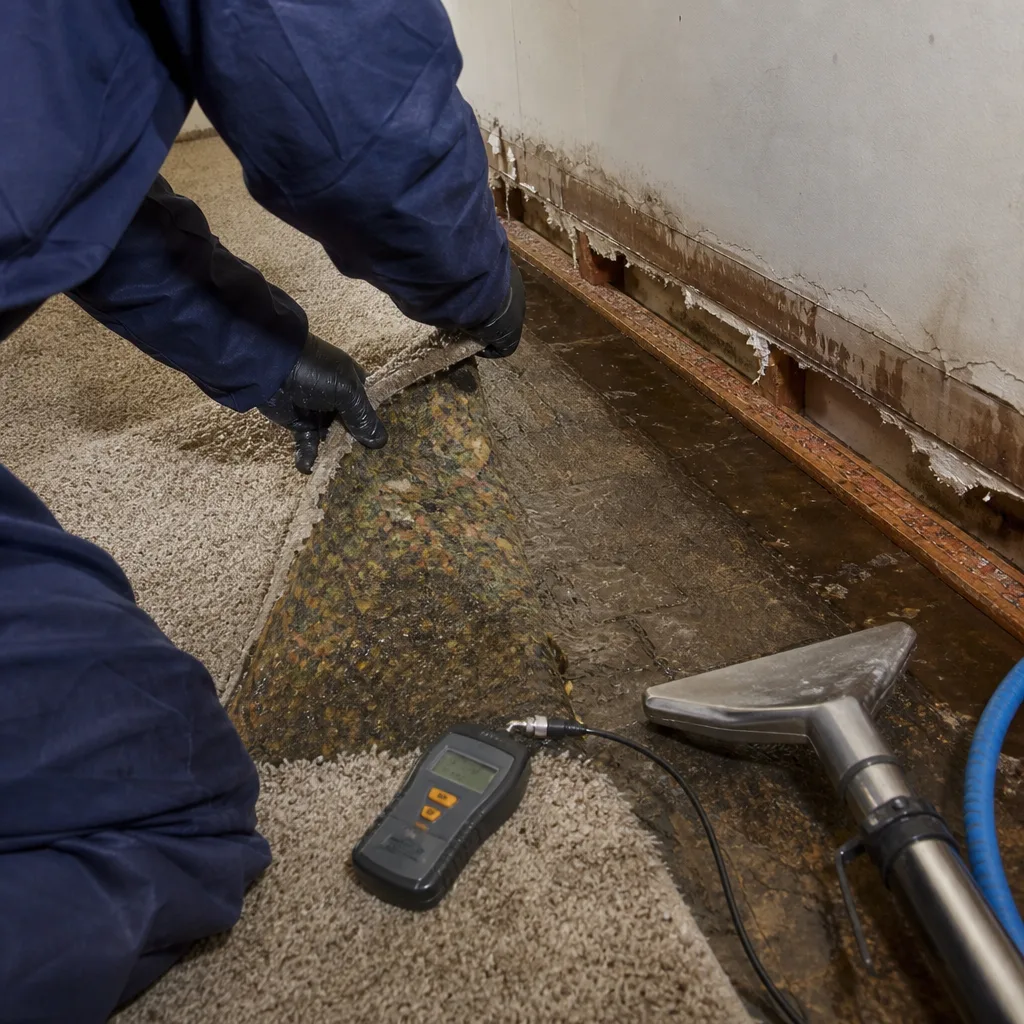
Most DIY-versus-professional comparisons focus on the wrong numbers. They compare the $89 daily rental of a dehumidifier against a $2,400 professional drying bill. This comparison is meaningless because it omits the documentation value that determines whether the insurer pays.
The relevant comparison is:
| Scenario | Out-of-Pocket Cost | Insurance Recovery | Net Position | Future Claim Risk |
|---|---|---|---|---|
| DIY extraction, no documentation | $200-$400 (equipment, supplies) | $0 (claim denied for lack of proof) | -$200 to -$400 | High: future claims on same area can be denied as pre-existing |
| DIY extraction, professional clearance only | $200-$400 + $350-$600 clearance | $0-$2,000 (partial, disputed) | $0 to +$1,000 | Moderate: clearance helps, but no drying log for full claim |
| Professional restoration, fully documented | $500-$1,000 deductible | $2,400-$8,000+ (full policy limits) | +$1,400 to +$7,500 | Low: complete documentation chain, future claims protected |
These figures are representative for Vista’s market based on our experience since 2011. Actual claims vary by policy, coverage limits, and adjuster interpretation. But the pattern is consistent: documentation drives recovery, not the presence or absence of visible damage.
A professional drying bill of $2,800, fully documented with moisture maps, drying logs, and final clearance, typically yields insurance payment of $2,800 plus additional coverage for repairs. The same damage, self-remediated with a shop-vac and fans, yields $0 and creates a coverage gap that the insurer can invoke for years.
The 365-Day Done Right Promise under The Haven Standard exists because documentation gaps surface months later, when trim pops off a wall that was never fully dried or mold appears behind a cabinet that was never moved. Our promise is not marketing. It is a contractual acknowledgment that restoration documentation must survive long-term scrutiny.
How to Use Professional Clearance to Validate DIY Work
There is a legitimate hybrid approach that preserves cost savings and documentation integrity: perform the extraction and initial drying yourself, then hire a licensed professional solely for moisture clearance and documentation.
This approach works only when the initial conditions meet the DIY corridor described above, and it fails when the damage is more extensive. But for the homeowner who wants to minimize out-of-pocket cost while protecting insurance coverage, here is the protocol:
- Complete DIY extraction and drying as described in the earlier section, with full photo and measurement documentation.
- Before declaring the job complete, contact a licensed restoration contractor for a moisture clearance inspection. In Vista, this typically costs $350-$600 depending on square footage and number of readings required.
- The contractor performs non-invasive and invasive moisture testing, produces a moisture map, and issues a clearance report certifying dry standard or identifying remaining moisture.
- If clearance is achieved, the report becomes part of your insurance file, protecting future claims.
- If clearance is not achieved, the contractor provides a written scope for remaining work, with a price before any additional work begins under Haven Standard, Clause 1.
This hybrid approach has two critical limitations. First, it does not produce the daily drying log that full professional restoration includes, so it may not support a claim for the initial water damage event itself. It protects future claims but may not recover the initial loss. Second, if the DIY drying was inadequate and secondary damage has developed, the clearance inspection will reveal it, and the cost of remediation may exceed what full professional handling would have cost initially.
We have performed hundreds of these clearance inspections in Vista. In roughly 40% of cases, the DIY drying was adequate and we issued clearance. In the remaining 60%, we found elevated moisture in wall cavities, under cabinets, or in subflooring that the homeowner had no ability to detect. The most common miss: water that traveled along the bottom plate of a wall and pooled in an adjacent room, invisible from the point of origin.
Our Free Second Opinion on Any Written Estimate applies to clearance scopes as well. If another contractor has quoted remediation after your DIY effort, we will review it at no charge.
Vista-Specific Risks: Climate, Soil, and Building Stock
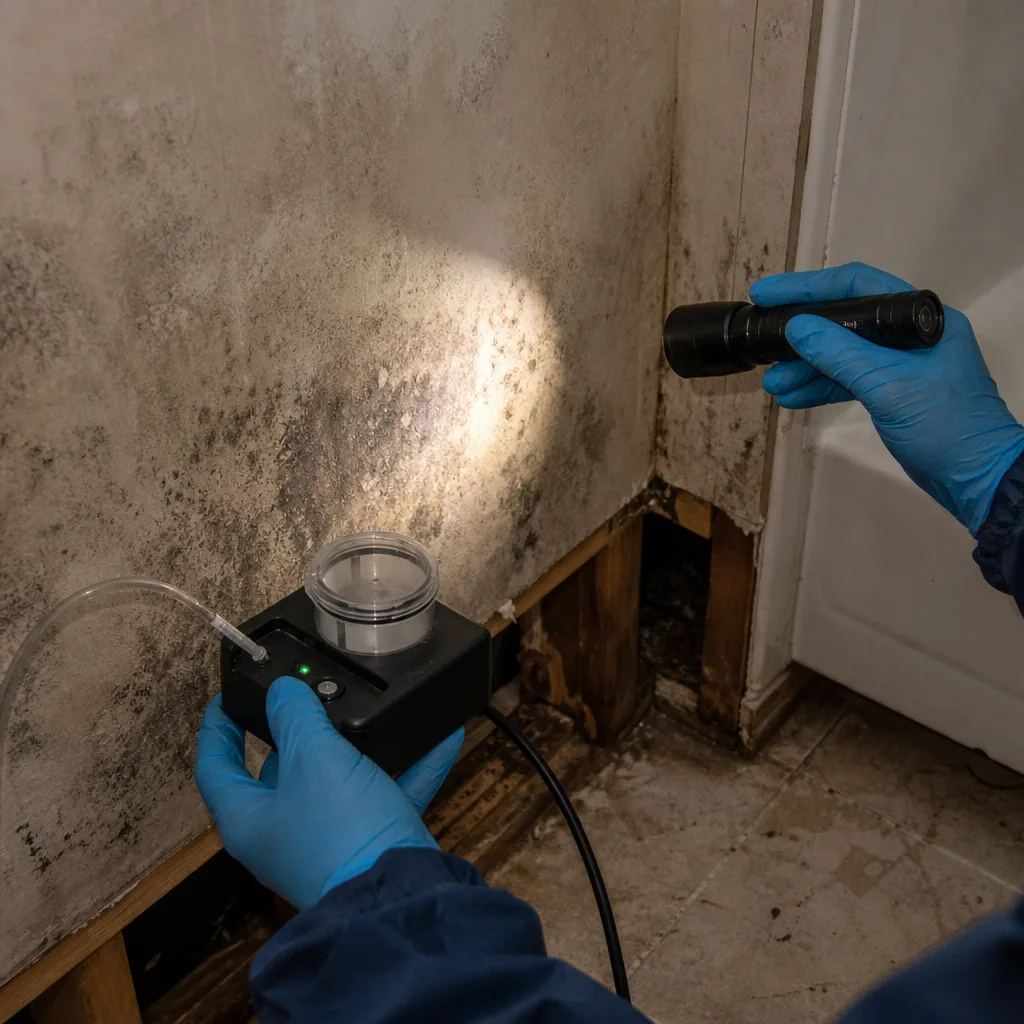
Vista’s geography creates restoration scenarios that differ from coastal San Diego or desert Riverside, and these differences affect the DIY-versus-professional calculation.
Marine layer influence: Vista sits at the inland edge of the coastal marine layer, which means morning humidity regularly exceeds 80% from May through July. A homeowner running a consumer dehumidifier rated for 30 pints per day is fighting an atmospheric moisture load that professional equipment, such as an XPOWER or B-Air commercial dehumidifier rated at 130+ pints per day, handles as baseline. The marine layer also means that exterior walls dry more slowly than interior calculations would predict, extending the risk window for hidden moisture.
Expansive clay soils: The soils in Vista’s older neighborhoods, particularly around the downtown grid and the areas east of Emerald Drive, contain significant clay content. When saturated, these soils expand; when dried, they contract. Water damage that reaches a slab foundation can create differential settlement that cracks tile, separates baseboard, and opens wall joints. The moisture that causes this is not visible, and the damage manifests months later. Professional documentation of slab moisture conditions, using calcium chloride testing or in-situ relative humidity probes, is the only defense against insurer denial of the resulting structural claim.
Age and construction type: Vista’s housing stock includes significant pre-1980 construction with galvanized steel plumbing, ungrounded electrical, and original lath-and-plaster or early drywall. These materials respond differently to water than modern construction. Galvanized pipes fail catastrophically when corroded, often at joints inside walls. Lath-and-plaster holds moisture longer than drywall but shows damage later. A homeowner unfamiliar with these material behaviors cannot accurately assess whether drying is complete.
Wildfire and Santa Ana exposure: Vista’s position in the fire-weather corridor means that smoke damage from regional wildfires is a recurring risk, even for homes not directly threatened by flame. Smoke intrusion through attic vents and window seals creates residue that DIY cleaning cannot fully remove. The Fire & Smoke Damage Restoration in Vista page covers professional protocols, but the key point for this guide is that smoke damage documentation requires particulate sampling and pH testing that no homeowner can perform.
Seasonal temperature swings: Summer highs in Vista reach the mid-90s, winter lows the mid-40s. These swings affect material expansion and contraction, drying rates, and the performance of adhesives and sealants used in repairs. Professional restoration accounts for these variables in equipment selection and drying schedules; our water damage restoration maintenance checklist for Vista homeowners covers what DIY approaches typically do not.
Common Mistakes to Avoid
- Painting over water-stained drywall without moisture verification. The stain is not the damage; it is the visible indicator of moisture that may still be present in the wall cavity. Painting traps moisture, creates mold conditions, and produces a documented record of concealment that insurers use to deny claims.
- Using household bleach on mold. Bleach does not penetrate porous materials and can actually feed mold by adding moisture. It also produces no documentation of remediation scope or clearance, leaving the homeowner exposed to future liability.
- Assuming carpet feels dry means the pad and subfloor are dry. Carpet pad holds moisture for weeks and wicks it into baseboard and wall framing. A moisture meter reading of the carpet surface is meaningless without subfloor verification.
- Waiting for the insurance adjuster before starting extraction. Most policies require “reasonable and necessary” mitigation to prevent further damage. Waiting 48 hours for an adjuster visit, while water migrates and mold colonizes, can reduce your recovery by thousands of dollars. Document everything and begin extraction immediately, or hire a professional who will.
- Accepting a contractor’s verbal scope without a written price before work begins. This violates Haven Standard, Clause 1, and exposes you to scope creep, disputed billing, and insurance non-payment. Every legitimate contractor in Vista will provide a written scope and price for signature before equipment is placed.
- Discarding damaged materials before photographing and inventorying them. Insurance claims require proof of loss. A water-logged carpet in the driveway is evidence; a driveway with no carpet is a coverage gap. Photograph everything before removal, and retain samples if possible.
- Failing to document the source and cause of damage. Insurers distinguish between sudden and accidental damage (covered) and long-term maintenance issues (excluded). A burst pipe is sudden; a slow leak under a sink that went unaddressed for months is maintenance. Your documentation must establish the timeline and cause, or the insurer will default to exclusion.
When to Call a Professional
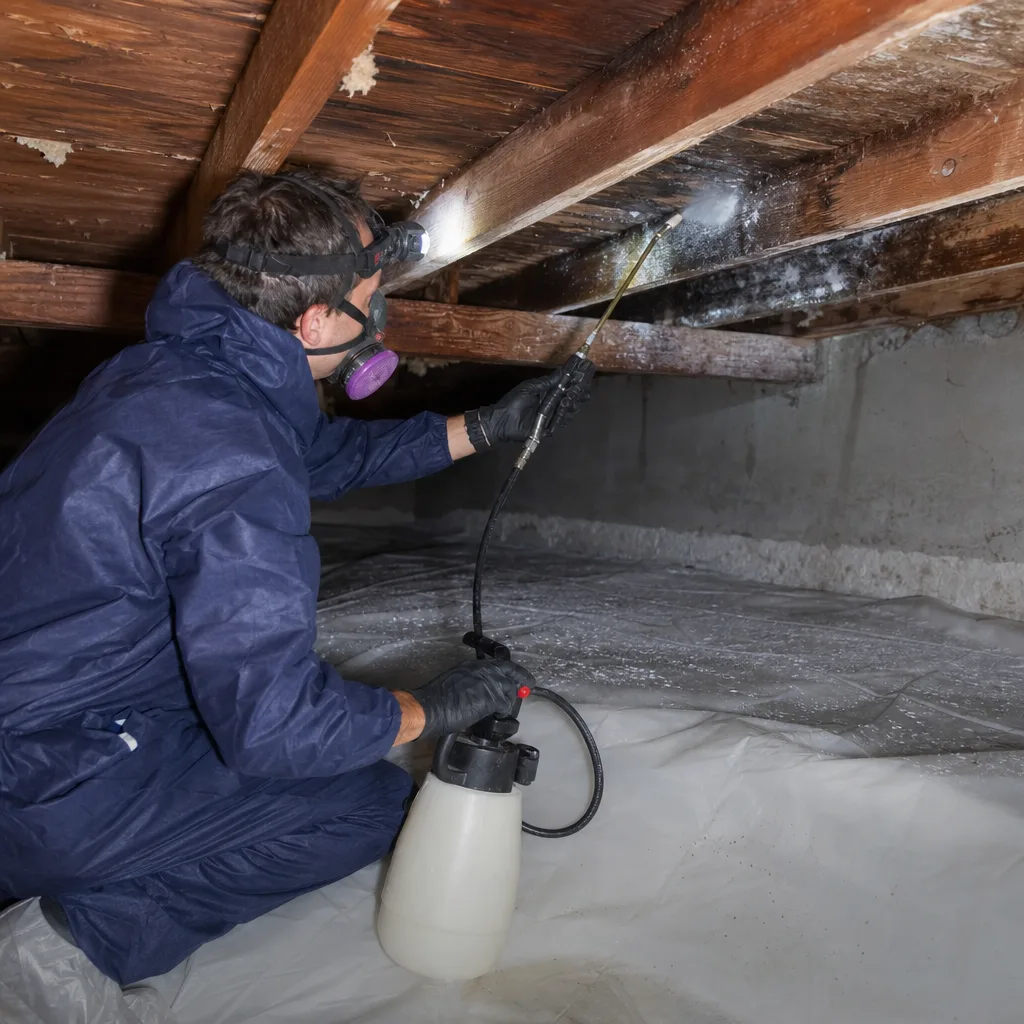
Call a licensed restoration contractor immediately when: water is Category 2 or 3; visible mold exceeds 10 square feet; damage involves structural elements, electrical systems, or gas lines; a permit is required; the water source is unknown or recurring; or you need the work documented for insurance submission. In Vista’s climate, with its marine layer humidity and expansive soils, the margin for DIY error is narrower than in drier inland regions.
DryMark Restoration Vista offers free estimates in Vista. Our live phone coverage is available 24 hours a day, 7 days a week with no voicemail on emergency lines. Every job is quoted in writing before work begins, documented with a photo record on every visit, and covered by the 365-Day Done Right Promise. Call (760) 539-8990 for a free estimate or a second opinion on any competitor’s written quote.
Frequently Asked Questions
Generally, no. Standard homeowners policies require documentation of professional-standard drying to IICRC S500 specifications. Without moisture maps, daily drying logs, and final clearance readings, insurers classify the damage as self-remediated and may deny the claim or reduce payment to repair-only coverage, excluding drying and mitigation. Call (760) 539-8990 for a free estimate that includes full documentation for insurance submission.
Our live dispatch answers every call 24 hours a day, 7 days a week with no voicemail. Emergency response times in Vista typically range from 45 minutes to 90 minutes depending on traffic and your location relative to our dispatch point. For water damage, speed matters because mold colonization begins in 24-72 hours and moisture migration continues until extraction starts. Call (760) 539-8990 for current availability.
If the visible patch is under 10 square feet on a hard, non-porous surface, and the moisture source is fully resolved, surface cleaning with appropriate antimicrobial may suffice. But you must still document moisture readings proving the source is eliminated. If mold is on porous material (drywall, carpet, ceiling tile), exceeds 10 square feet, or returns after cleaning, California guidance requires professional assessment with containment, negative air pressure, and post-remediation verification. Without this documentation, future claims related to that area are at risk of denial.
At DryMark Restoration Vista, we coordinate directly with your adjuster as part of our standard service. This includes photo documentation, written scopes, moisture logs, and direct billing where your policy permits. You remain the policyholder and must authorize all work, but our documentation-first approach is designed specifically to align with adjuster requirements and reduce back-and-forth that delays payment. The Haven Standard requires this coordination on every job.
Partially, but with significant risk. Demolition without moisture mapping destroys the baseline documentation that proves the extent of the original damage. If you remove wet drywall before it is photographed, measured, and mapped, you have eliminated the evidence that supports your insurance claim. The preferred sequence is: professional assessment and documentation first, then controlled demolition under scope, then professional drying with daily logs. If you are determined to self-perform demolition, photograph everything extensively and have a professional moisture map completed before you touch anything.
Professional drying for a typical residential water loss in Vista ranges from $1,800 to $4,500 for extraction and structural drying, depending on square footage, material types, and drying duration. Reconstruction costs are additional and scoped separately. Every job at DryMark Restoration Vista receives a written price before work begins, with no exceptions under Haven Standard, Clause 1. We also offer a Free Second Opinion on any competitor’s written estimate. Call (760) 539-8990 for an exact quote on your specific situation.
The Bottom Line
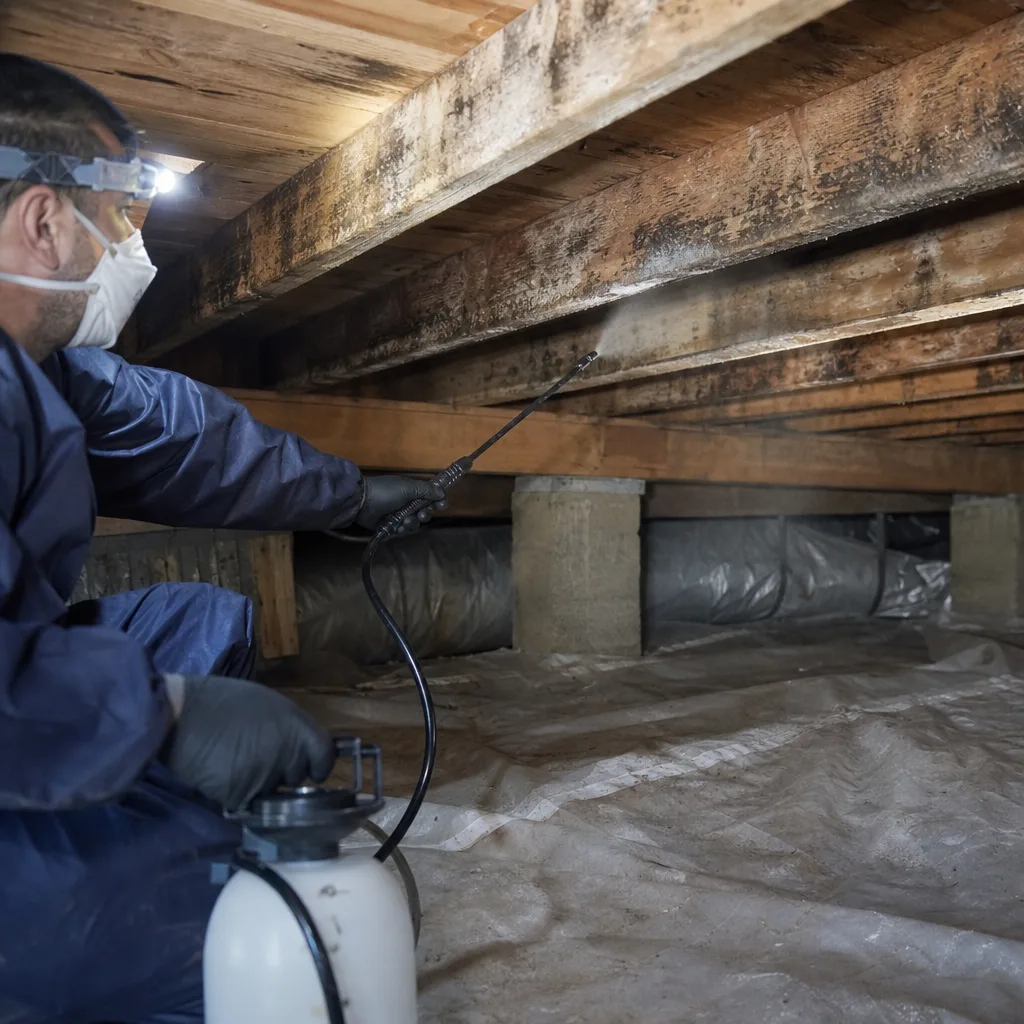
The DIY-versus-professional question in restoration is a documentation question. Where you can produce IICRC-standard moisture maps, drying logs, and final clearance, DIY is defensible. Where you cannot, you are not restoring your home; you are creating a record that future insurers can use against you. Vista’s climate and building stock narrow the DIY corridor further than many homeowners realize. For anything beyond Category 1 water on non-porous surfaces under 10 square feet, professional documentation is not a luxury. It is the mechanism by which your insurance policy pays what you purchased it to pay. Explore more guides & resources on protecting your Vista home.
Written by Alicia Brennan, Owner at DryMark Restoration Vista, serving Vista since 2011.